Goree v. Mich. Parole Bd.
In brief
The Supreme Court declined to hear Goree's case and issued no ruling on whether Michigan's parole process violated the Constitution.
- Where it stands
- Decided
Decided · June 1, 2020
- What it’s about
- This case involves a petition for a writ of certiorari filed by a petitioner seeking review of a decision by the United States Court of Appeals for the Sixth Circuit regarding the Michigan Parole Board.
- Who it affects
- The denial ended Goree's request for Supreme Court review, but it did not decide the constitutional claims in his petition.
Summary: written with AI from the case record.
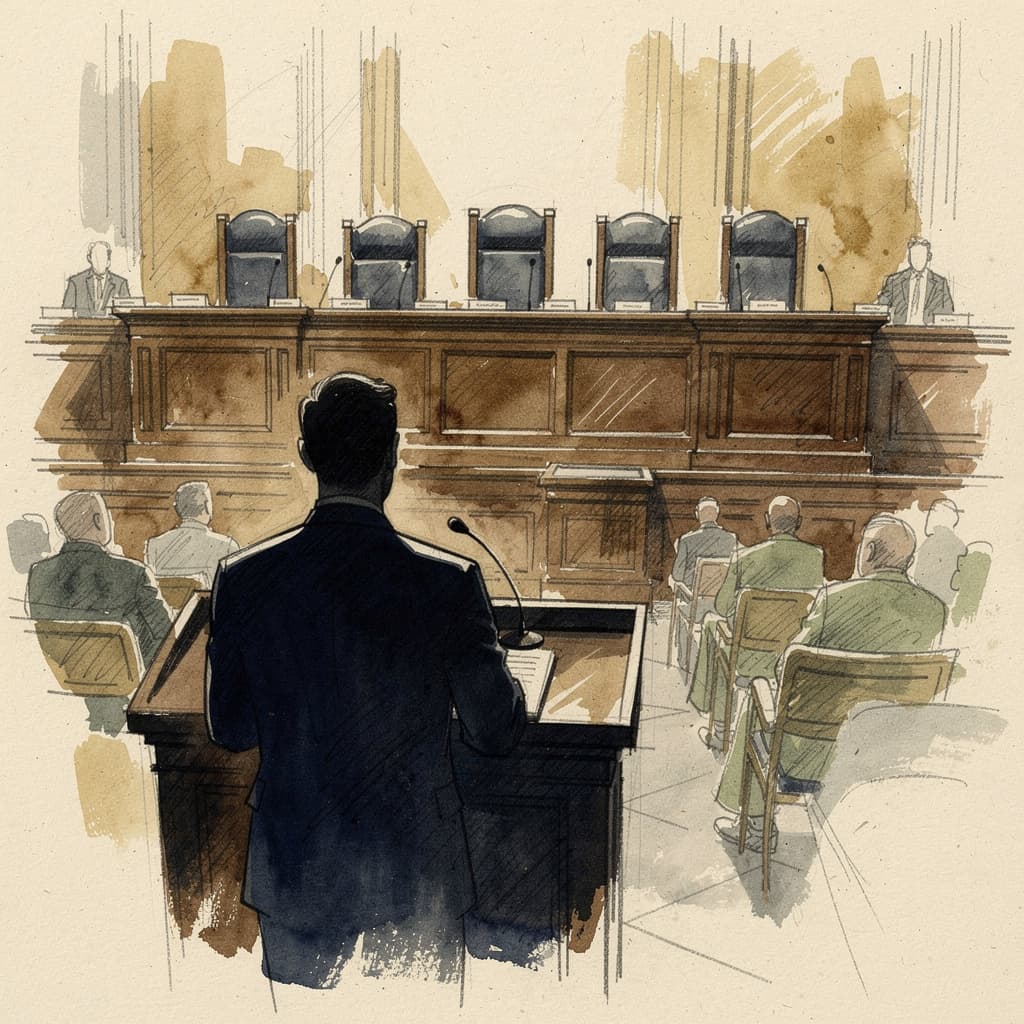
What it's about
The petition raised questions about the Board's use of unscored or subjective criteria and whether its process gave a prisoner who had served a minimum sentence a meaningful chance at release.
Question presented
1. Whether the Michigan Parole Board's use of "un-scored" or "subjective" criteria to deny parole violates the Due Process Clause of the Fourteenth Amendment? 2. Whether the Michigan Parole Board's failure to provide a meaningful opportunity for release to a prisoner who has served his minimum sentence violates the Eighth Amendment's prohibition against cruel and unusual punishment?
What the Court decided
Holding
Petition DENIED.
What's next
The Court has finished this docket action. The constitutional questions were not decided by the Supreme Court.
Documents
Opinions
Key filings
Docket activity
New analysis added
AI analysis generated: Case Briefing
New analysis added
New analysis added
New analysis added
Show 7 moreShow fewer
New analysis added
New analysis added
New analysis added
New analysis added
New analysis added
New analysis added
New analysis added
Sources
Primary materials plus reporting. Best-effort analysis: this explainer relies on a mix of primary materials and trusted secondary sources. Official filings and opinions remain authoritative.