Jackson v. Mississippi
In brief
The Supreme Court declined to hear Jackson’s case, so it did not decide the juvenile-sentencing question and left the Mississippi Supreme Court’s ruling in place.
- Where it stands
- Decided
Decided · May 26, 2020
- What it’s about
- The Court declined to review Jackson’s challenge to a juvenile life-without-parole sentence, leaving the Mississippi Supreme Court’s ruling in place.
- Who it affects
- The order left the Mississippi Supreme Court’s ruling against Jackson in place and did not decide the constitutional question.
Summary: written with AI from the case record.
What it's about
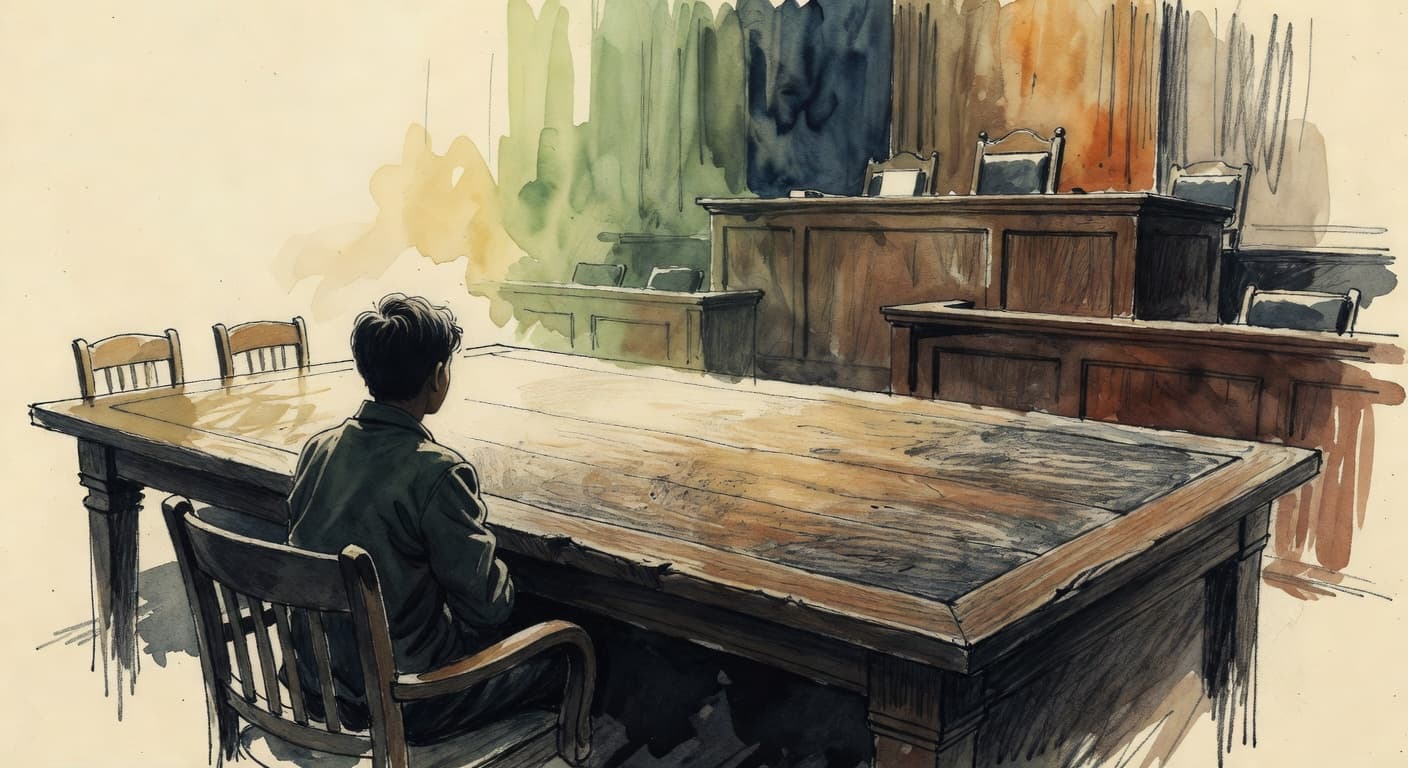
The case concerned whether the Eighth Amendment requires a sentencing judge to find that a juvenile offender is permanently incapable of rehabilitation before imposing life without parole.
The dispute concerned whether the Eighth Amendment limits life-without-parole sentences for juvenile offenders.
Question presented
Whether the Eighth Amendment requires a sentencing authority to make a finding that a juvenile is permanently incorrigible before imposing a sentence of life without parole?
What the Court decided
Holding
Petition DENIED.
What's next
The Court has finished this docket action. The Mississippi Supreme Court’s ruling remains in place; this order did not resolve the constitutional question.
Documents
Opinions
Key filings
Docket activity
New analysis added
AI analysis generated: Case Briefing
New analysis added
New analysis added
New analysis added
Show 7 moreShow fewer
New analysis added
New analysis added
New analysis added
New analysis added
New analysis added
New analysis added
New analysis added
More questions
- What remains unresolved in Jackson v. Mississippi?
- This docket does not decide whether the Eighth Amendment requires a finding that a juvenile is permanently incapable of rehabilitation before life without parole.
Sources
Primary materials plus reporting. Best-effort analysis: this explainer relies on a mix of primary materials and trusted secondary sources. Official filings and opinions remain authoritative.