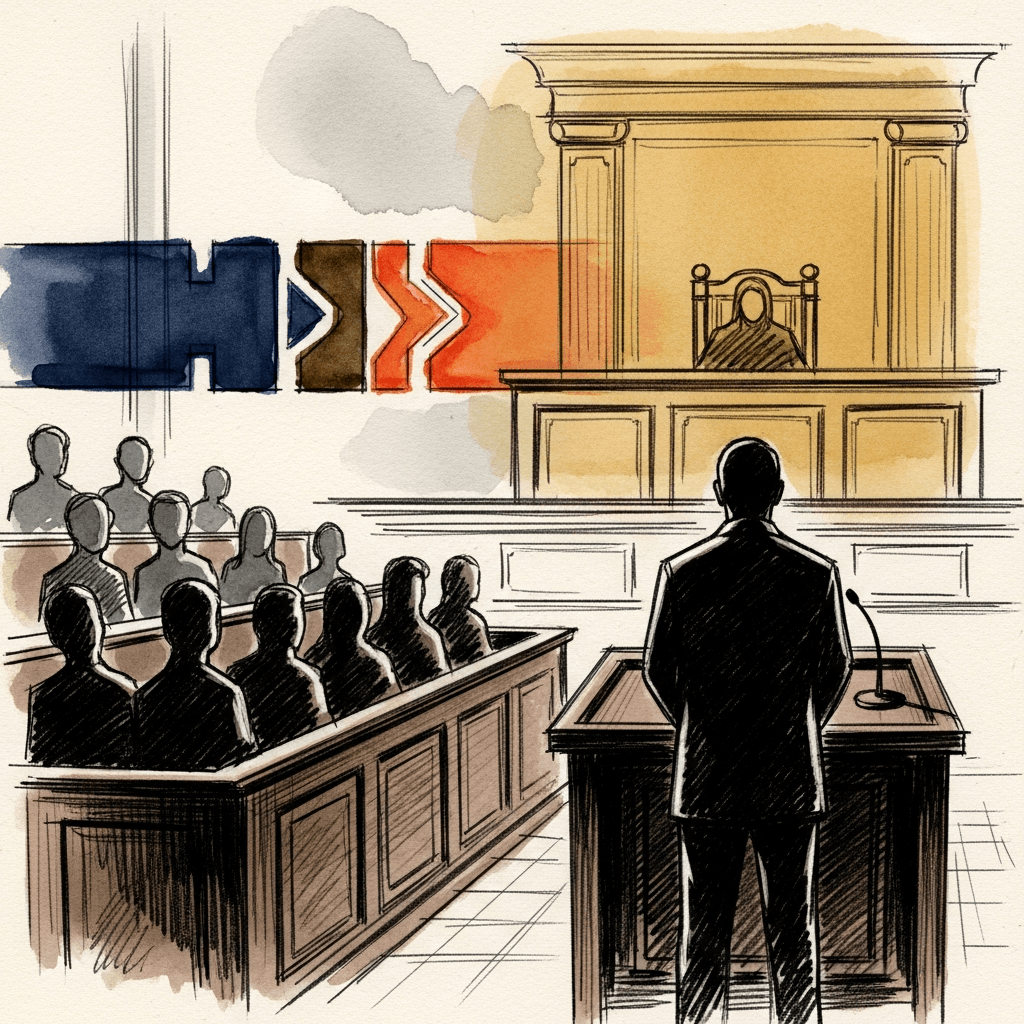
Reed v. United States
This case concerns whether the Constitution requires a jury, rather than a judge, to determine if a defendant's prior crimes were committed on separate occasions for the purpose of sentencing enhancements.
- Status
- Before Arguments
- Appeal from
- United States Court of Appeals for the Third Circuit
Briefing
What Happened
The Supreme Court is considering whether a jury or a judge must decide if a defendant's past crimes happened on different occasions. This decision is important because it determines if a person receives a much longer prison sentence under the Armed Career Criminal Act.
Why It Matters
This case could change how thousands of people are sentenced in federal courts. If the Court rules for the defendant, prosecutors would have to prove the timing of past crimes to a jury rather than just showing records to a judge.
The Big Picture
The case involves the Sixth Amendment, which guarantees the right to a jury trial for facts that increase a defendant's punishment. It follows a long-standing legal debate over which facts about a person's criminal history can be decided by a judge alone.
What the Justices Said
No substantive justice or advocate reactions are available yet.
The Bottom Line
The Court must decide if the Constitution requires a jury to find facts about the timing of past crimes before a judge can increase a prison sentence.
What's Next
The case is currently pending and has not yet been scheduled for oral argument. The next major step will be for the justices to hear arguments from both sides before issuing a final ruling.
What is the core dispute in this case?
The dispute is whether a judge or a jury should decide if past crimes were committed on separate occasions. This factual finding is required to trigger longer mandatory prison sentences.
What are the real-world consequences for defendants?
If the Court rules for the defendant, it may be harder for the government to impose long sentencing enhancements. Defendants would have more protection through the jury trial process.
What legal rule is being examined by the Court?
The Court is examining the Sixth Amendment right to a jury trial. This rule generally requires that any fact increasing a penalty beyond the legal maximum must be proven to a jury.
What is the next procedural step for this case?
The next milestone is for the Court to schedule and hold oral arguments. After that, the justices will meet privately to vote and write their opinions.
How does this fit into a broader legal trend?
This case is part of a trend where the Court defines the limits of judicial power in sentencing. It continues a decades-long effort to clarify which facts require a jury's input.
Timeline
Sources
Docket plus reporting.
Refreshed Mar 11, 2026.
Context reporting
Documents
Coverage
Related cases