Almahmmody v. Tennessee
In brief
The Supreme Court refused to hear the petition, so it did not decide whether the Tennessee trial court should have granted a mistrial.
- Where it stands
- Decided
Decided · May 26, 2020
- What it’s about
- This case involves a petition for a writ of certiorari filed by a petitioner seeking review of a decision by the Court of Criminal Appeals of Tennessee, alongside a motion to proceed without paying court fees.
- Who it affects
- The parties received no Supreme Court ruling on whether the prosecutor's comments required a mistrial.
Summary: written with AI from the case record.
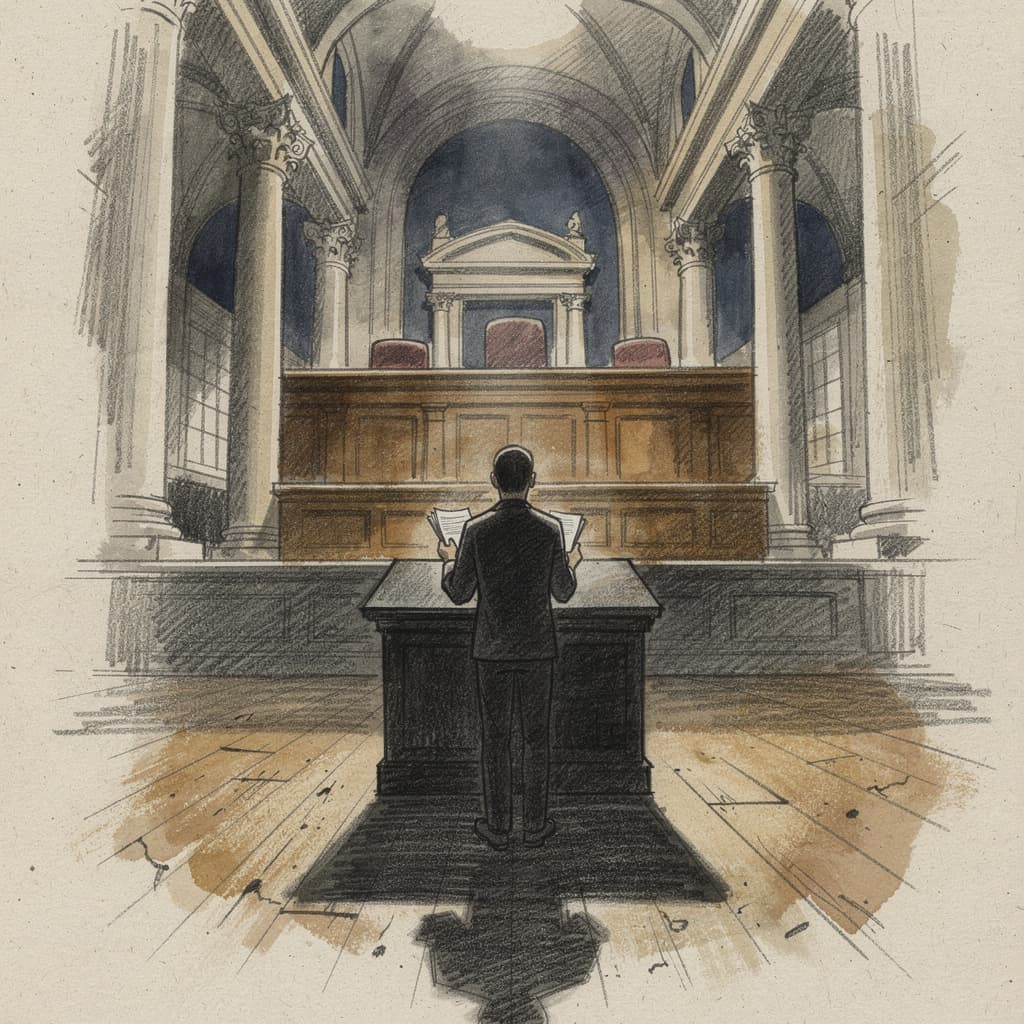
What it's about
The filing challenged a decision by Tennessee's Court of Criminal Appeals and included a request to proceed without paying court fees.
Question presented
1. Whether the trial court erred in failing to grant a mistrial after the prosecutor made improper comments during closing arguments? 2. Whether the trial court erred in failing to grant a mistrial after the prosecutor made improper comments during rebuttal arguments? 3. Whether the trial court erred in failing to grant a mistrial after the prosecutor made improper comments during the sentencing phase?
What the Court decided
Holding
Petition DENIED.
What's next
The Supreme Court's action on this docket is finished. The record shows no further Supreme Court ruling on the mistrial questions.
Documents
Opinions
Key filings
Docket activity
New analysis added
AI analysis generated: Case Briefing
New analysis added
New analysis added
New analysis added
Show 7 moreShow fewer
New analysis added
New analysis added
New analysis added
New analysis added
New analysis added
New analysis added
New analysis added
Sources
Primary materials plus reporting. Best-effort analysis: this explainer relies on a mix of primary materials and trusted secondary sources. Official filings and opinions remain authoritative.