Herrera v. United States
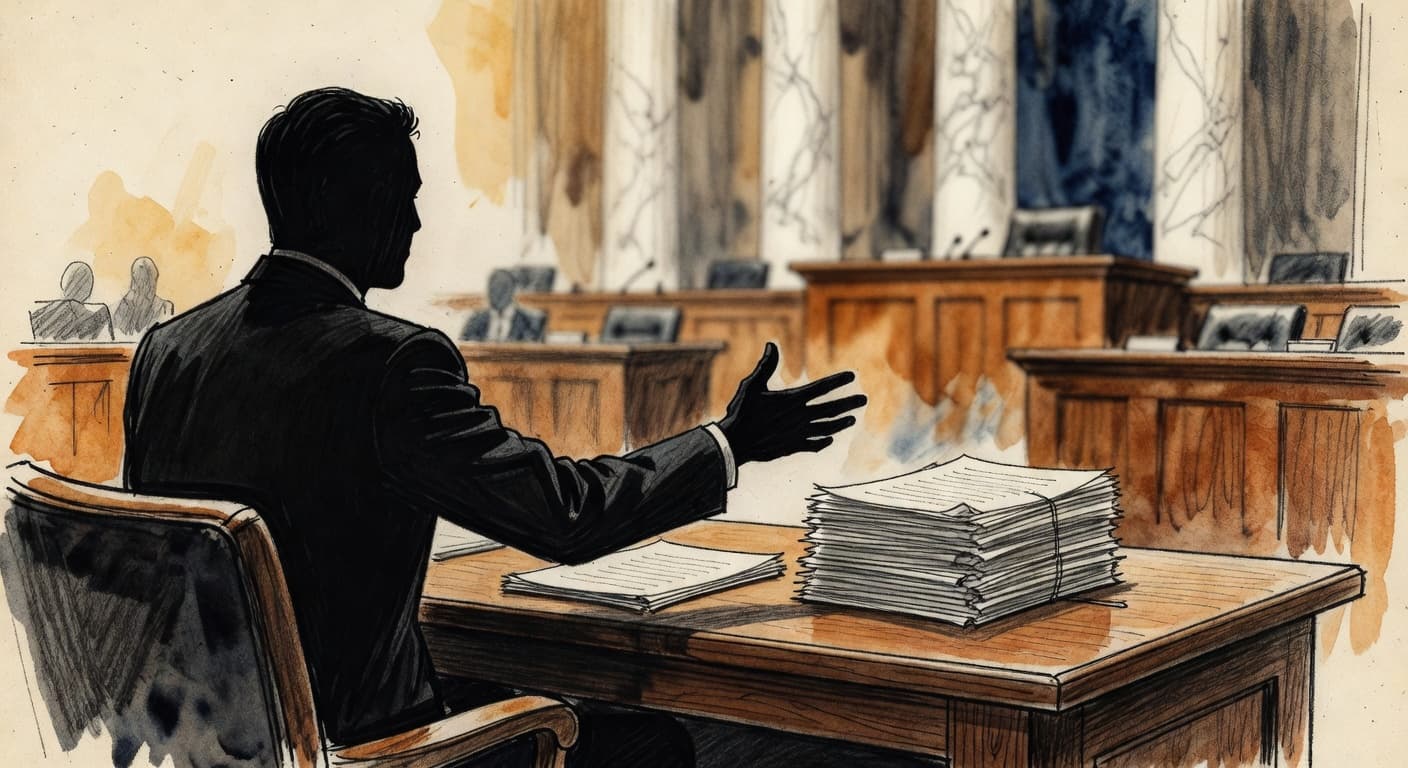
This case concerns whether criminal defendants can challenge the constitutionality of their conviction under the Commerce Clause through a post-trial motion instead of raising the issue before trial.
- Status
- Before Arguments
- Appeal from
- United States Court of Appeals for the Eleventh Circuit
Briefing
What happened
This case involves a dispute over when criminal defendants must challenge the constitutionality of the law they are accused of breaking. The petitioners argue they should be allowed to use a post-trial motion to claim that their conviction violates the Commerce Clause of the Constitution. The lower court ruled that such challenges must typically be raised before the trial begins.
Why it matters
The outcome will determine if defendants lose their right to challenge a law's validity if they do not speak up early in the legal process. If the Court rules against the defendants, people convicted under potentially unconstitutional federal laws might have no way to overturn their convictions later. This affects anyone facing federal charges where the government's power to regulate commerce is at issue.
The big picture
The case centers on Federal Rule of Criminal Procedure 12, which sets the timeline for legal arguments in criminal cases. It balances the need for efficient trials against the fundamental right of a citizen to not be convicted under an invalid law. The Supreme Court is being asked to clarify if constitutional flaws in a statute are so serious that they can be raised at any time.
What the justices said
No substantive justice or advocate reactions are available yet as the case is pending and oral arguments have not been scheduled.
The bottom line
The Supreme Court must decide if a defendant can wait until after a trial to argue that a federal law is unconstitutional.
What's next
The next major milestone is for the Court to schedule and hold oral arguments. After that, the justices will meet in private to vote and eventually release a written opinion. A final decision is expected by the end of the Court's term in June.
What is the core dispute in this case?
The case asks if defendants can wait until after their trial to challenge the constitutionality of a law. The petitioners want to use post-trial motions to raise these serious legal issues.
What are the real-world consequences for defendants?
If the Court rules against the petitioners, defendants who miss pretrial deadlines could be stuck with convictions. This remains true even if the law they broke is later found to be unconstitutional.
What legal rule is the Court interpreting?
The Court is looking at Federal Rule of Criminal Procedure 12. This rule dictates which types of legal objections must be made before a trial starts.
What is the next procedural step for this case?
The case is currently pending on the Court's docket. The justices will eventually hear oral arguments from both sides before making a final determination.
How does this fit into broader legal trends?
This case follows a trend of the Court clarifying procedural rules that limit when citizens can claim their rights were violated. It highlights the tension between trial efficiency and constitutional protections.
Timeline
Sources
Docket plus reporting.
Refreshed Mar 11, 2026.
Context reporting
Documents
Key filings
Coverage
Related cases