Hambright v. United States
This is a pending federal case involving a legal dispute between an individual named Hambright and the United States government.
- Status
- Before Arguments
- Appeal from
- United States Court of Appeals for the Fifth Circuit
Briefing
What Happened
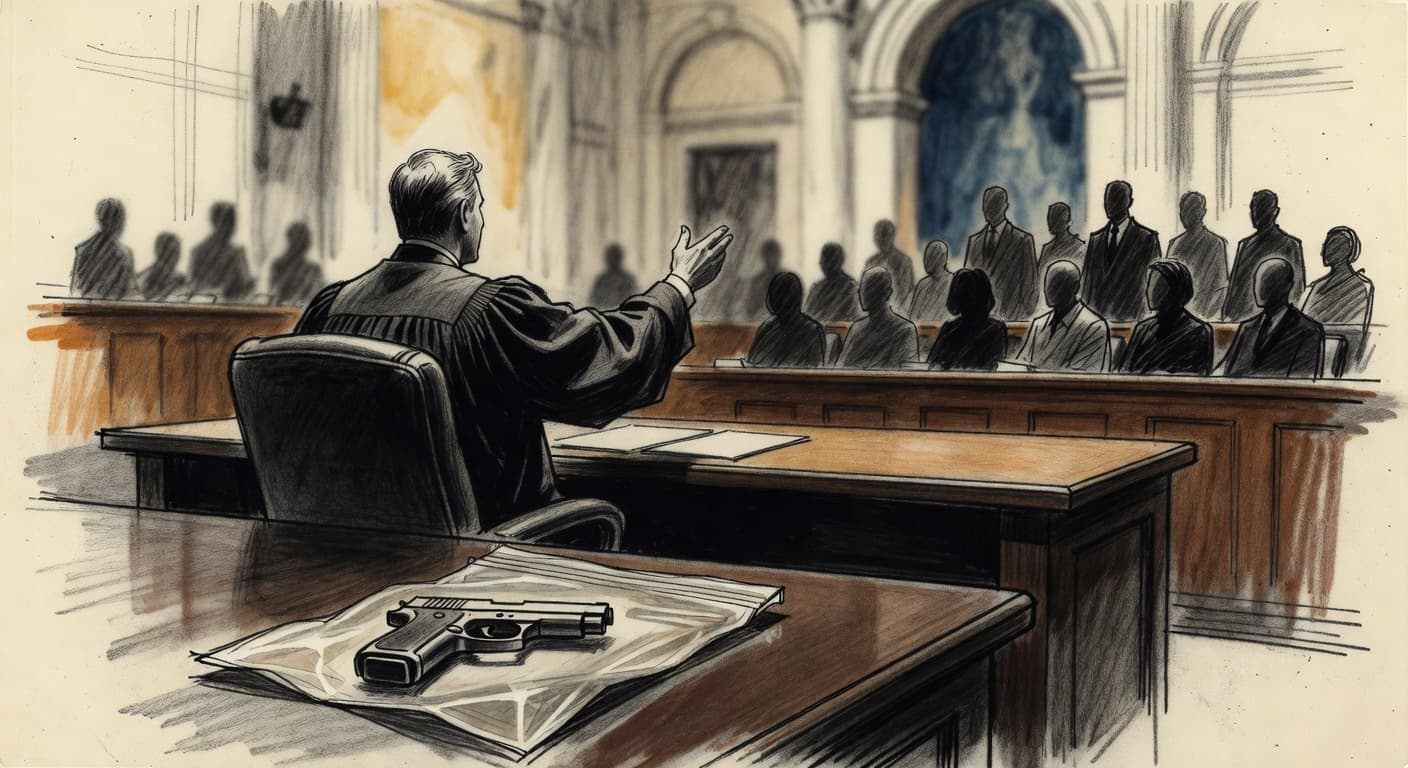
The Supreme Court is considering whether a trial court's failure to tell a jury that a defendant must know they are prohibited from owning a gun is a structural error. This case involves Hambright, who was convicted of possessing a firearm despite being legally barred from doing so. The legal question focuses on whether this specific mistake in jury instructions is so fundamental that it automatically requires a new trial.
Why It Matters
The outcome could change how federal gun possession cases are handled in court. If the Court rules this is a structural error, many past convictions where this instruction was missing might be overturned. This affects individuals who were convicted without the government proving they knew their legal status as a prohibited person.
The Big Picture
This case follows previous rulings that require the government to prove a defendant's knowledge of their status in firearm cases. It addresses the balance between fair trial procedures and the efficiency of the justice system. The Court must decide if certain mistakes are so big they can never be considered harmless.
What the Justices Said
No substantive justice or advocate reactions are available yet.
The Bottom Line
The Court will decide if failing to explain a defendant's required knowledge of their status to a jury is a mistake that automatically voids a conviction.
What's Next
The case is currently pending and has not yet been scheduled for oral argument. The next major milestone will be when the justices hear arguments from both sides or issue a scheduling order. A final decision is expected after the case is argued and reviewed by the justices.
What is the core dispute in this case?
The dispute is about whether a trial is fair if the jury is not told the government must prove the defendant knew they were barred from owning guns. Hambright argues this omission is a fundamental mistake.
What are the real-world consequences of this ruling?
If the Court sides with Hambright, it could lead to many federal gun convictions being challenged or overturned. This would require prosecutors to provide more specific evidence about a defendant's state of mind.
What legal rule is the Court examining?
The Court is examining the 'structural error' rule, which identifies mistakes so serious they undermine the entire trial. Most legal mistakes are 'harmless' if they did not change the trial's outcome.
What is the next procedural step for this case?
The next step is for the Court to schedule and hold oral arguments. After that, the justices will meet in private to vote and eventually release a written opinion.
How does this case fit into a broader legal trend?
This case continues a trend of the Court clarifying what the government must prove in criminal cases. It specifically builds on recent decisions that protect defendants from being convicted for technical violations they did not realize they were committing.
Timeline
Sources
Docket plus reporting.
Refreshed Mar 11, 2026.
Context reporting
Documents
Key filings
Coverage
Related cases