Greineder v. Medeiros
This is a procedural filing where a party is asking the Supreme Court to review a lower court decision while requesting permission to proceed without paying standard court fees due to financial hardship.
- Status
- Before Arguments
- Appeal from
- United States Court of Appeals for the First Circuit
Briefing
What Happened
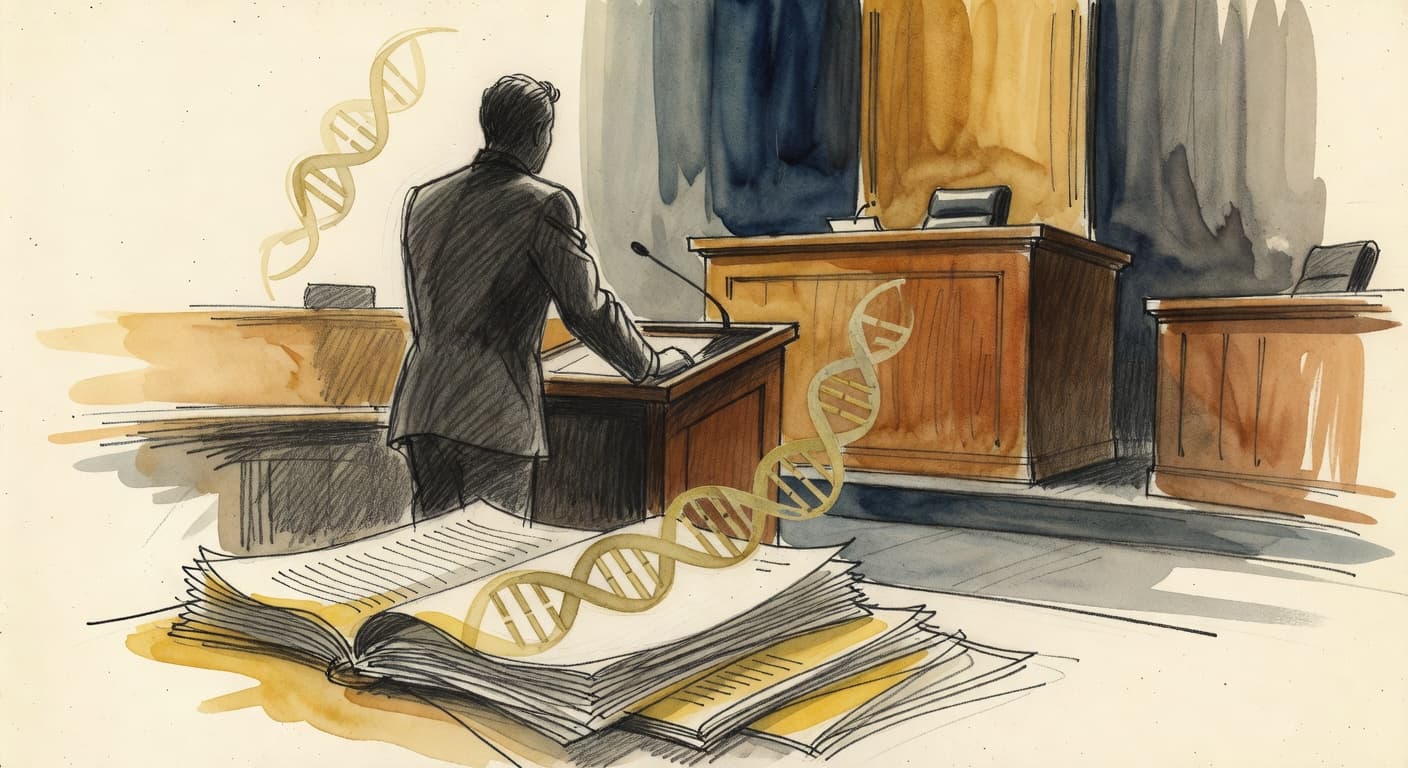
A man is asking the Supreme Court to decide if prosecutors can use DNA evidence without the person who actually did the testing being in court. Currently, a laboratory supervisor who did not perform or watch the tests is testifying as an independent expert, which the defendant argues violates his rights.
Why It Matters
This case could change how DNA evidence is used in criminal trials across the country. If the Court rules for the defendant, prosecutors might have to bring the specific scientists who ran the tests to the witness stand, which could make trials more difficult and expensive.
The Big Picture
The Sixth Amendment gives defendants the right to confront the witnesses against them. This case follows a series of past Supreme Court decisions that have struggled to define exactly which laboratory workers count as witnesses who must appear in person.
What the Justices Said
No substantive justice or advocate reactions are available yet.
The Bottom Line
The Court is being asked to decide if a lab supervisor can testify about DNA results they did not personally produce.
What's Next
The Supreme Court must first decide whether it will grant certiorari (the decision to hear the case). If it does, the justices will schedule oral arguments to hear from both sides before making a final ruling.
What is the core dispute in this case?
The case focuses on whether a lab supervisor can testify about DNA results they did not personally create. The defendant argues this violates his right to face his accusers.
What are the real-world consequences of this decision?
A ruling could change how DNA evidence is presented in every courtroom. It might require specific lab technicians to testify instead of their managers.
What legal rule is being debated?
The debate centers on the Confrontation Clause of the Sixth Amendment. This rule generally requires witnesses to appear in court so the defendant can question them.
What is the next procedural step for this case?
The Court must decide if it will accept the case for review. If accepted, the parties will submit briefs and prepare for oral arguments.
How does this fit into a broader legal trend?
The Court has spent years clarifying how modern science fits with old constitutional rights. This case is the latest attempt to define who counts as a witness.
Timeline
Sources
Docket plus reporting.
Refreshed Mar 11, 2026.
Context reporting
Documents
Key filings
Coverage
Related cases