J. H. v. E.R.S.
In brief
The Supreme Court declined review (denied the petition), leaving the Colorado Court of Appeals’ ruling in place without deciding the underlying issues.
- Where it stands
- Decided
Decided · May 18, 2020
- What it’s about
- The Supreme Court denied review of a Colorado case involving the termination of a parent’s rights and a step-parent adoption.
- Who it affects
- The denial left the Colorado Court of Appeals’ ruling in place in J. H.’s case, but the Supreme Court did not decide the three questions raised.
Summary: written with AI from the case record.
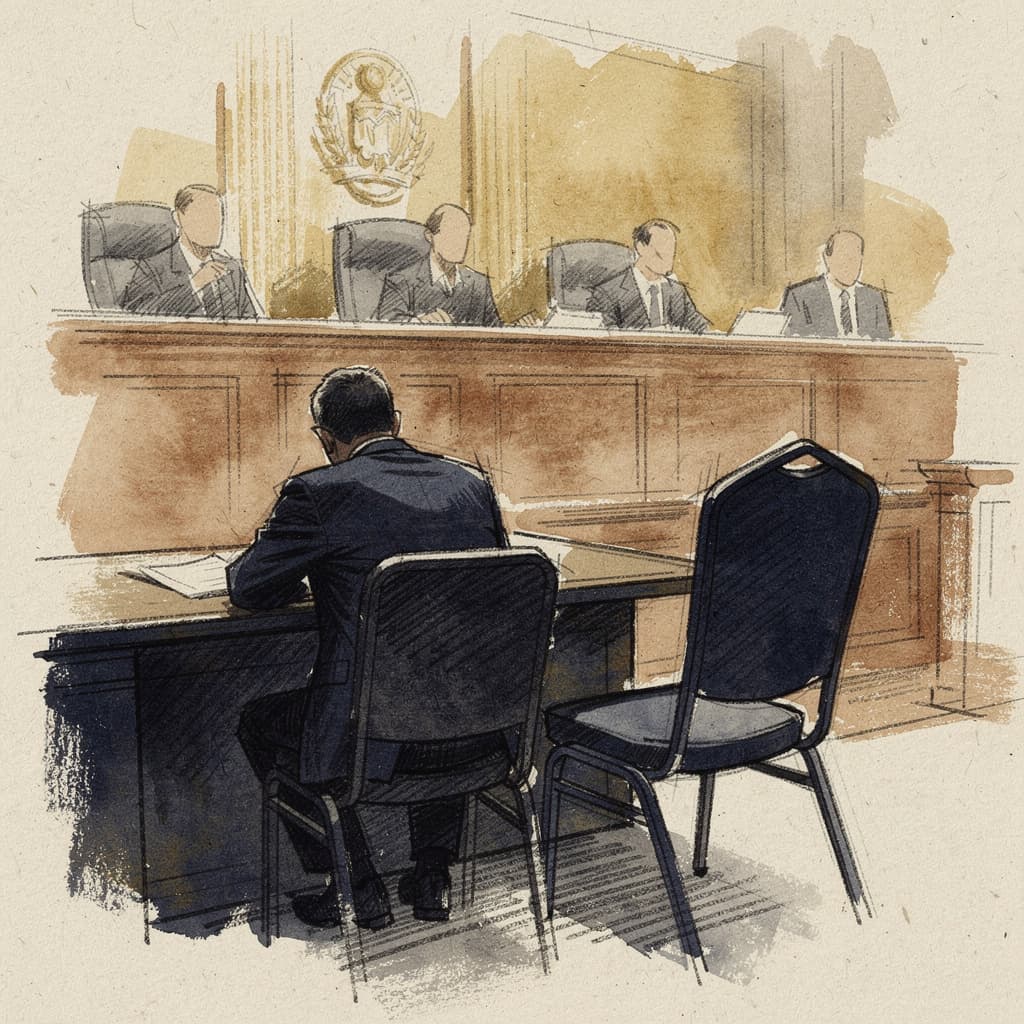
What it's about
The denial left the Colorado Court of Appeals’ ruling in place, so the party seeking to overturn the termination did not prevail before the Supreme Court.
The dispute reached the Supreme Court through a father’s request to review a Colorado Court of Appeals case involving parental-rights termination and a step-parent adoption.
Question presented
1. Did the trial court err in finding that the Appellant/Father had abandoned the child? 2. Did the trial court err in finding that it was in the best interest of the child to terminate the parental rights of the Appellant/Father? 3. Did the trial court err in failing to appoint counsel for the Appellant/Father?
What the Court decided
Holding
Petition DENIED.
What's next
The Court has finished this docket action. The Colorado Court of Appeals’ ruling remains in place, with no Supreme Court decision on abandonment, the child’s best interests, or appointment of counsel.
Documents
Docket activity
New analysis added
AI analysis generated: Case Briefing
New analysis added
New analysis added
New analysis added
Show 7 moreShow fewer
New analysis added
New analysis added
New analysis added
New analysis added
New analysis added
New analysis added
New analysis added
Sources
Primary materials plus reporting. Best-effort analysis: this explainer relies on a mix of primary materials and trusted secondary sources. Official filings and opinions remain authoritative.