Vugo, Inc. v. City of N.Y.
Vugo, Inc. filed a petition asking the Supreme Court to review a Second Circuit decision regarding its dispute with the City of New York over in-vehicle advertising restrictions.
- Status
- Before Arguments
- Appeal from
- United States Court of Appeals for the Second Circuit
Briefing
What Happened
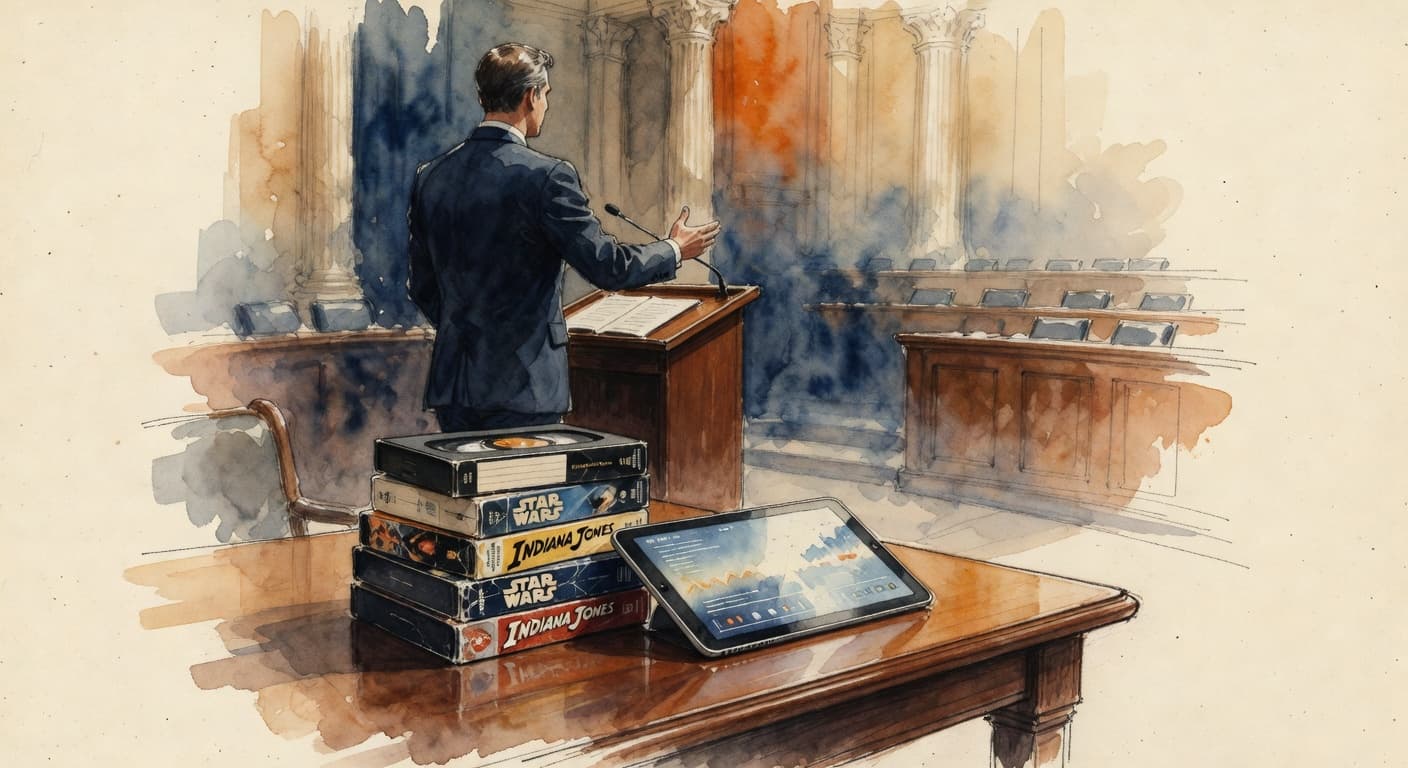
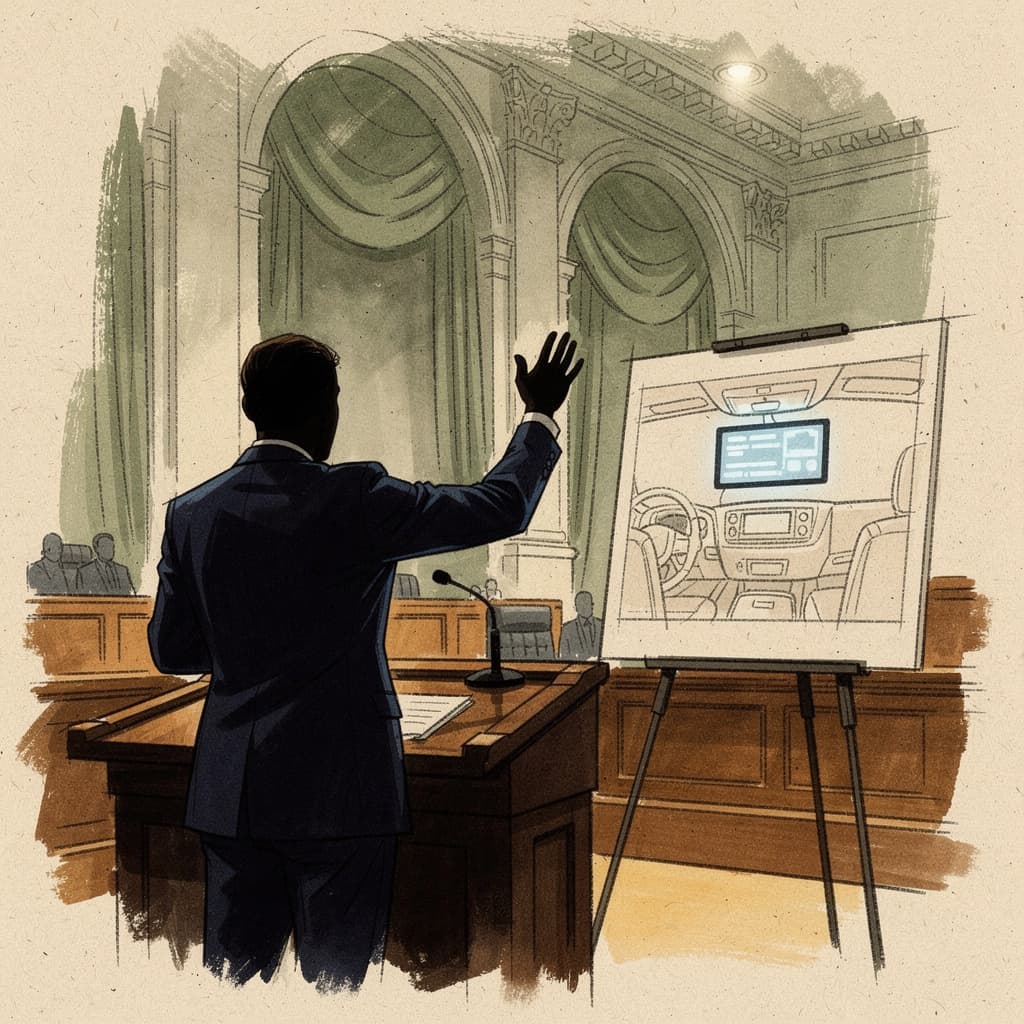
Vugo, Inc. is asking the Supreme Court to review a law in New York City that stops some companies from showing ads inside ride-share vehicles while allowing others to do so. The company argues that this rule violates the First Amendment because it treats identical types of commercial speech differently without a good enough reason.
Why It Matters
This case could change how cities regulate advertising in apps like Uber and Lyft. If the Court hears the case, it will decide if the government can pick and choose which businesses are allowed to show ads to passengers.
The Big Picture
The case focuses on a legal test called 'narrow tailoring,' which means a law must be carefully designed to meet a goal without restricting more speech than necessary. It explores how much power local governments have to control digital ads in the modern gig economy.
What the Justices Said
No substantive justice or advocate reactions are available yet.
The Bottom Line
Vugo is challenging New York City's ban on in-car advertising to see if the government is unfairly restricting free speech.
What's Next
The Supreme Court must first decide whether to grant certiorari (the Court's decision to hear the case). If they agree to take it, the Court will schedule oral arguments to hear from both sides.
What is the core dispute between Vugo and New York City?
Vugo wants to place digital ads in ride-share cars, but city rules prohibit this while allowing ads in traditional taxis. Vugo argues this unequal treatment violates their constitutional right to free speech.
What are the real-world consequences for ride-share drivers and passengers?
If Vugo wins, passengers might see more digital screens and advertisements during their trips. Drivers could potentially earn extra income from the ad revenue generated inside their vehicles.
What legal rule is the Supreme Court being asked to clarify?
The Court is looking at the Central Hudson test, which determines if a law restricting commercial speech is 'narrowly tailored.' This means the law must be a precise fit for the government's goals.
What is the next procedural step for this case?
The justices will review the petition for certiorari to decide if the case is important enough to hear. If they deny the petition, the lower court's ruling against Vugo will stand.
How does this case fit into a broader trend regarding technology and the law?
This case reflects growing tension between old city regulations and new technology-based services like ride-sharing. It examines how First Amendment protections apply to digital advertising in private vehicles used for public transport.
Timeline
Sources
Docket plus reporting.
Refreshed Mar 11, 2026.
Context reporting
Documents
Key filings
Coverage
Related cases