Roark v. New York
In brief
The Supreme Court declined to hear Roark’s case, leaving the New York courts’ judgment against him in place without answering the two constitutional questions.
- Where it stands
- Decided
Decided · May 4, 2020
- What it’s about
- The Supreme Court denied review, leaving the New York courts’ judgment against Roark in place; New York therefore prevailed.
- Who it affects
- The denial leaves the New York courts’ judgment against Roark in place, but it does not decide whether the jury instruction or New York’s refusal to review his claim violated the Constitution’s guarantee of fair legal process.
Summary: written with AI from the case record.
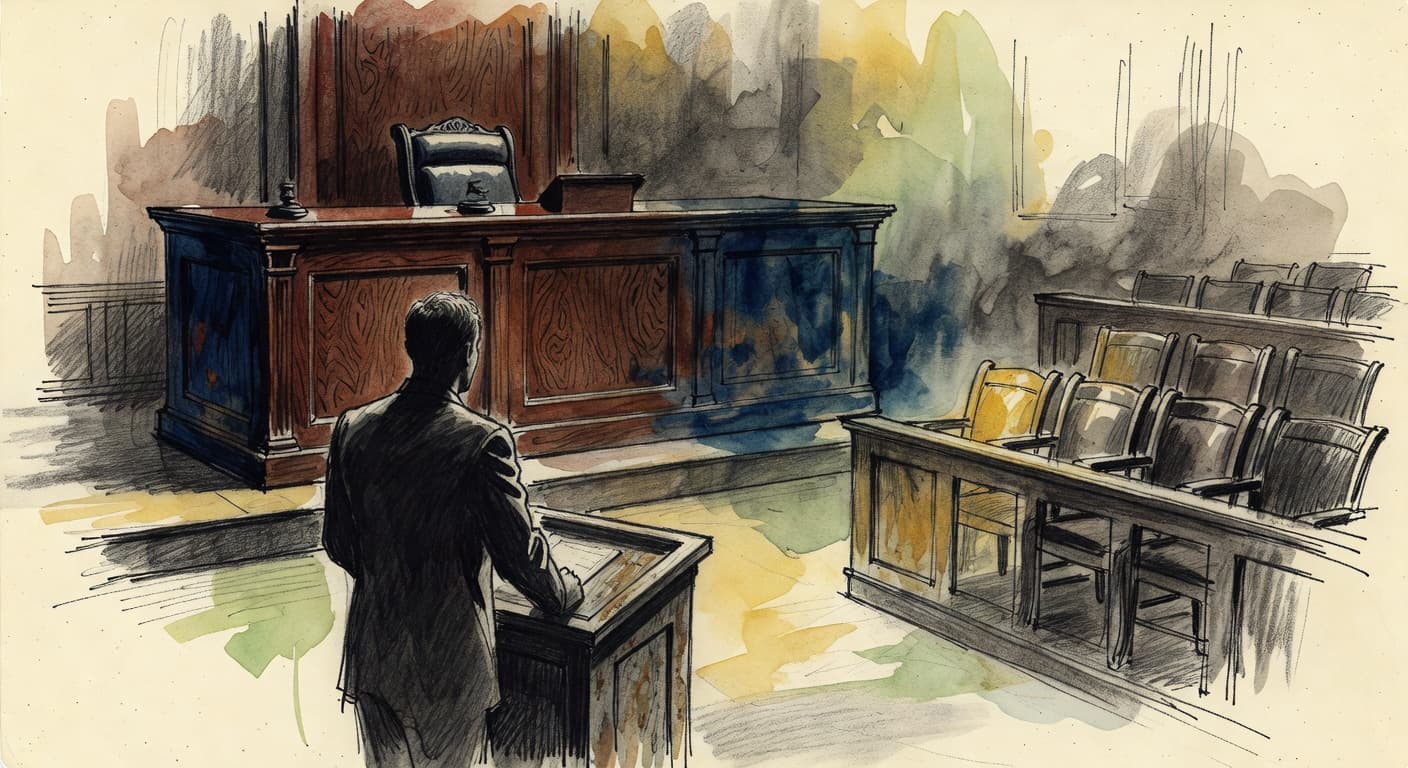
What it's about
Roark had challenged the trial court’s failure to instruct the jury that it had to find he knew of his duty to register as a sex offender, and the state court’s refusal to review that claim because it was not properly preserved.
Roark’s challenge followed a New York conviction for failing to register as a sex offender. He argued that the trial court should have required the jury to find that he knew of his duty to register.
The case came to the Supreme Court after New York Court of Appeals applied its preservation rule to Roark’s constitutional claim.
Question presented
1. Whether the trial court's failure to instruct the jury on the "knowledge" element of the crime of failing to register as a sex offender, in violation of the Due Process Clause of the Fourteenth Amendment, constitutes a "structural error" that requires automatic reversal of the conviction? 2. Whether the New York Court of Appeals' application of its "preservation" rule to bar review of a clear constitutional error violates the Due Process Clause of the Fourteenth Amendment?
What the Court decided
Holding
Petition DENIED.
What's next
The Court has finished this docket action. The denial leaves the state-court judgment in place, with no Supreme Court ruling on the two legal questions.
Documents
Opinions
Key filings
Docket activity
New analysis added
AI analysis generated: Case Briefing
New analysis added
New analysis added
New analysis added
Show 7 moreShow fewer
New analysis added
New analysis added
New analysis added
New analysis added
New analysis added
New analysis added
New analysis added
More questions
- Why did New York’s courts refuse to review Roark’s claim?
- The New York Court of Appeals applied its rule for preserving claims because Roark had not properly raised the constitutional claim earlier.
Sources
Primary materials plus reporting. Best-effort analysis: this explainer relies on a mix of primary materials and trusted secondary sources. Official filings and opinions remain authoritative.