Elec. Privacy Info. Ctr. v. Dep't of Commerce
This case involves a petition by the Electronic Privacy Information Center challenging an action by the Department of Commerce.
- Status
- Before Arguments
- Appeal from
- United States Court of Appeals for the District of Columbia Circuit
Briefing
What Happened
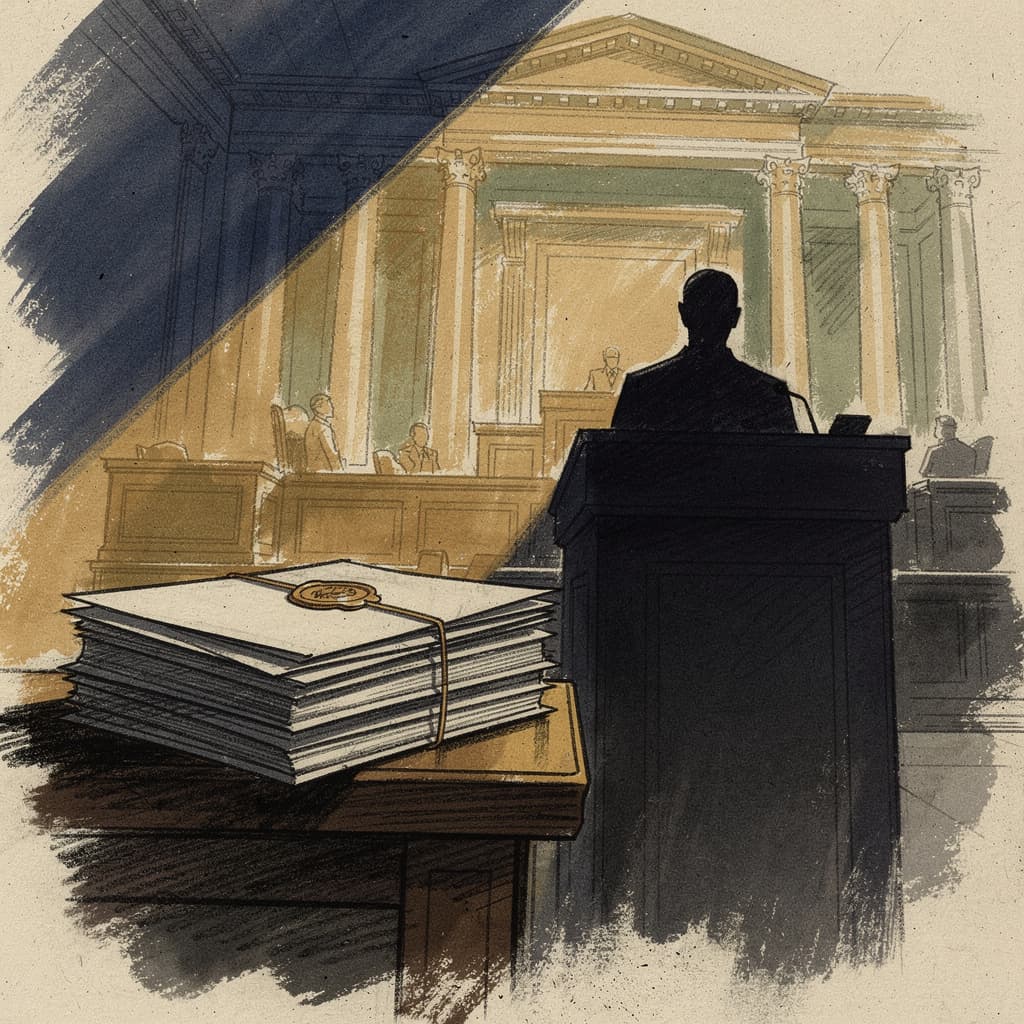
The Electronic Privacy Information Center is suing the Department of Commerce over how it handles personal data. The group argues that the government must publish a Privacy Impact Assessment before starting new data collections. The case asks if courts can force agencies to release these reports when they are withheld.
Why It Matters
This case could change how much the public knows about government data collection. If the Court rules against the agency, it would ensure that people can see how their private information is being protected. This affects anyone whose data is collected by federal programs.
The Big Picture
The dispute centers on the E-Government Act of 2002, which was designed to protect privacy in the digital age. It also involves the Administrative Procedure Act, a law that governs how federal agencies must behave. The case tests whether citizens can use the legal system to hold the government accountable for transparency.
What the Justices Said
No substantive justice or advocate reactions are available yet.
The Bottom Line
The Supreme Court will decide if federal agencies can be legally forced to publish privacy reports before collecting new information from the public.
What's Next
The case is currently in the early stages of the Supreme Court process. The next major milestone is oral argument or another scheduling move from the Court. No date has been set for these proceedings yet.
What is the core dispute in this case?
The case focuses on whether the government must publish privacy assessments before collecting data. The Electronic Privacy Information Center argues this is a legal requirement that courts must enforce.
What are the real-world consequences for citizens?
If the Court rules for the privacy group, citizens will have more access to information about government data practices. This would make it harder for agencies to hide how they use personal information.
What legal rule is the Court being asked to clarify?
The Court is interpreting the E-Government Act of 2002 and the Administrative Procedure Act. It must decide if these laws allow judges to compel agencies to release specific privacy documents.
What is the next procedural step for this case?
The case is currently pending and has not yet been scheduled for oral argument. The Court will eventually decide whether to hear the case or issue a different order.
How does this fit into a broader trend?
This case reflects growing concerns about digital privacy and government transparency. It highlights the ongoing struggle to balance national data collection with the public's right to know.
Timeline
Sources
Docket plus reporting.
Refreshed Mar 10, 2026.
Context reporting
Documents
Key filings
Coverage
Related cases