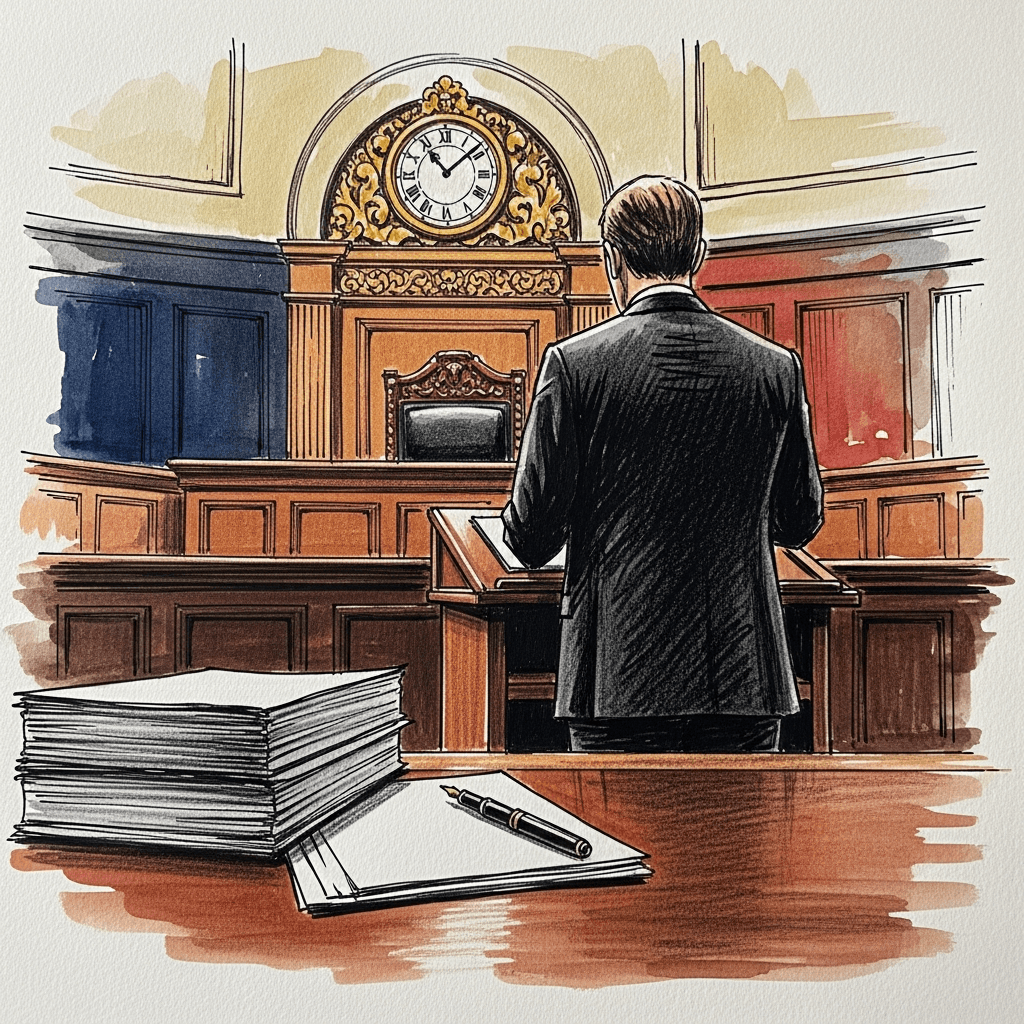
Therian Cornelia Wimbush, Petitioner v. R. L. Conway, et al.
This is a procedural request submitted to Justice Thomas seeking an extension of time to file a petition for a writ of certiorari.
- Status
- Before Arguments
- Appeal from
- United States Court of Appeals for the Eleventh Circuit
Briefing
What Happened
Therian Cornelia Wimbush is asking the Supreme Court to review a lower court's decision to dismiss her lawsuit. She claims that while she was in pretrial detention, her constitutional rights were violated because she was denied access to a law library and legal materials.
Why It Matters
This case could clarify the rights of people held in jail before their trial. If the Court hears the case, it may decide how much access to legal tools a person must have to represent themselves or challenge their confinement.
The Big Picture
The legal system generally requires that prisoners have 'access to courts' to protect their rights. This dispute focuses on whether specific jail conditions, like a lack of books or research tools, make it impossible for a person to seek justice.
What the Justices Said
No substantive justice or advocate reactions are available yet.
The Bottom Line
The Court is being asked to decide if a jail's failure to provide legal materials violates a detainee's constitutional rights.
What's Next
The Supreme Court will first decide whether to grant a writ of certiorari (a formal order to hear the case). If they agree to hear it, the justices will schedule oral arguments to listen to both sides.
What is the core dispute in this case?
The case centers on whether a lower court was wrong to dismiss a complaint about jail conditions. The petitioner argues she was denied the legal tools needed to pursue her claims.
What are the real-world consequences for detainees?
A ruling could change how jails provide legal resources to people waiting for trial. It may ensure that those without lawyers can still research the law to defend themselves.
What legal rule is being challenged here?
The case involves 42 U.S.C. § 1983, a law that allows individuals to sue government officials for civil rights violations. The Court must decide if the petitioner's claims met the legal standard to proceed.
What is the next procedural step for the Court?
The justices must review the petition and decide if the case is important enough to hear. This process often takes several months before a decision is announced.
How does this fit into broader legal trends?
This case is part of an ongoing debate over the rights of self-represented litigants in the justice system. It highlights the difficulties people face when trying to navigate complex laws from behind bars.
Timeline
Sources
Docket plus reporting.
Refreshed Mar 11, 2026.
Context reporting
Documents
Key filings
Coverage
Related cases