Perez v. United States
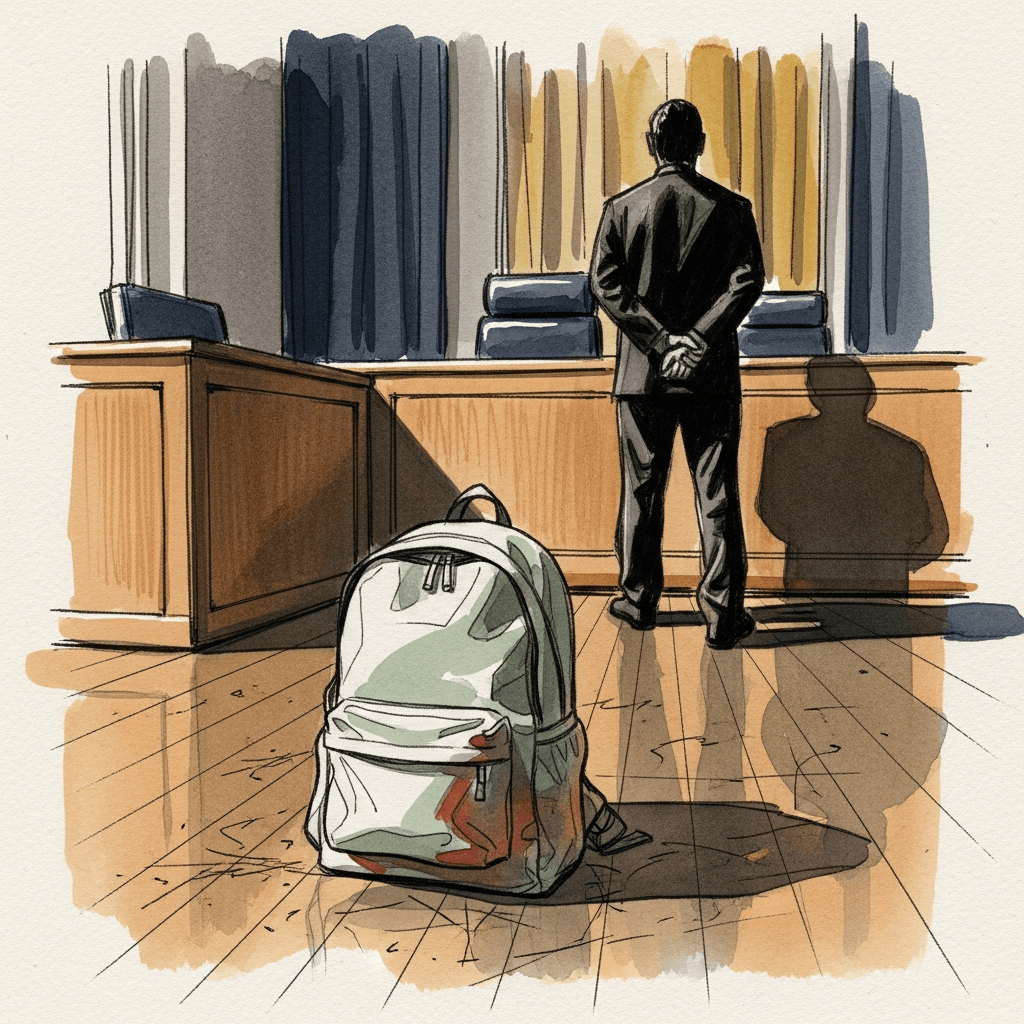
This case involves a challenge to a warrantless search of a backpack during an arrest. The Court is asked to decide if police can search a secured bag without a warrant when the arrested individual can no longer reach it.
- Status
- Before Arguments
- Appeal from
- United States Court of Appeals for the Ninth Circuit
Briefing
What Happened
The Supreme Court is considering whether police can search a person's bag without a warrant after the person has been arrested and can no longer reach the bag. The case involves a man whose backpack was searched by officers after he was already in custody and the bag was secured. The Court must decide if this violates the Fourth Amendment, which protects people from unreasonable searches and seizures.
Why It Matters
This case could change how much privacy you have when carrying a bag or luggage in public. If the Court rules for the police, officers could search personal items during any arrest even if there is no immediate danger. This affects anyone who carries a backpack, purse, or suitcase while traveling or commuting.
The Big Picture
The Fourth Amendment generally requires police to get a warrant before searching private property. However, there is an exception for searches during an arrest to protect officers and prevent the destruction of evidence. This case asks if that exception still applies once the police have full control of the situation and the bag.
What the Justices Said
No substantive justice or advocate reactions are available yet.
The Bottom Line
The Court will decide if police need a warrant to search a secured bag once an arrested person is no longer a threat.
What's Next
The case is currently in the early stages of the Supreme Court process. The next major milestone will be the scheduling of oral arguments where lawyers for both sides present their views. A final decision is expected by the end of the Court's term in early summer.
What is the core dispute in this case?
The dispute is whether police can search a bag without a warrant after they have already secured it. The person arrested could not reach the bag to grab a weapon or hide evidence.
What are the real-world consequences for everyday people?
A ruling could determine if your backpack or luggage can be opened by police without a judge's permission during an arrest. This impacts the privacy of personal items carried in public spaces.
What legal rule is the Court being asked to clarify?
The Court is clarifying the 'search incident to arrest' rule under the Fourth Amendment. They must decide if this rule applies when the item is already under exclusive police control.
What is the next procedural step for this case?
The Court will likely schedule oral arguments to hear from both the government and the petitioner. After that, the justices will meet privately to vote and write their opinions.
How does this case fit into a broader legal trend?
This case follows a trend of the Court defining how old privacy laws apply to modern situations. It looks at balancing police safety with the constitutional right to be free from unreasonable searches.
Timeline
Sources
Docket plus reporting.
Refreshed Mar 10, 2026.
Context reporting
Documents
Key filings
Coverage
Related cases