Yablonsky v. California
In brief
The Supreme Court declined to hear Yablonsky's case and did not rule on his legal claims.
- Where it stands
- Decided
Decided · May 4, 2020
- What it’s about
- This case involves a petition for a writ of certiorari filed by Yablonsky seeking review of a judgment by the Supreme Court of California. The petitioner also requested permission to proceed without paying court fees.
- Who it affects
- For Yablonsky, Supreme Court review ended without deciding whether the alleged conduct violated his federal rights.
Summary: written with AI from the case record.
What it's about
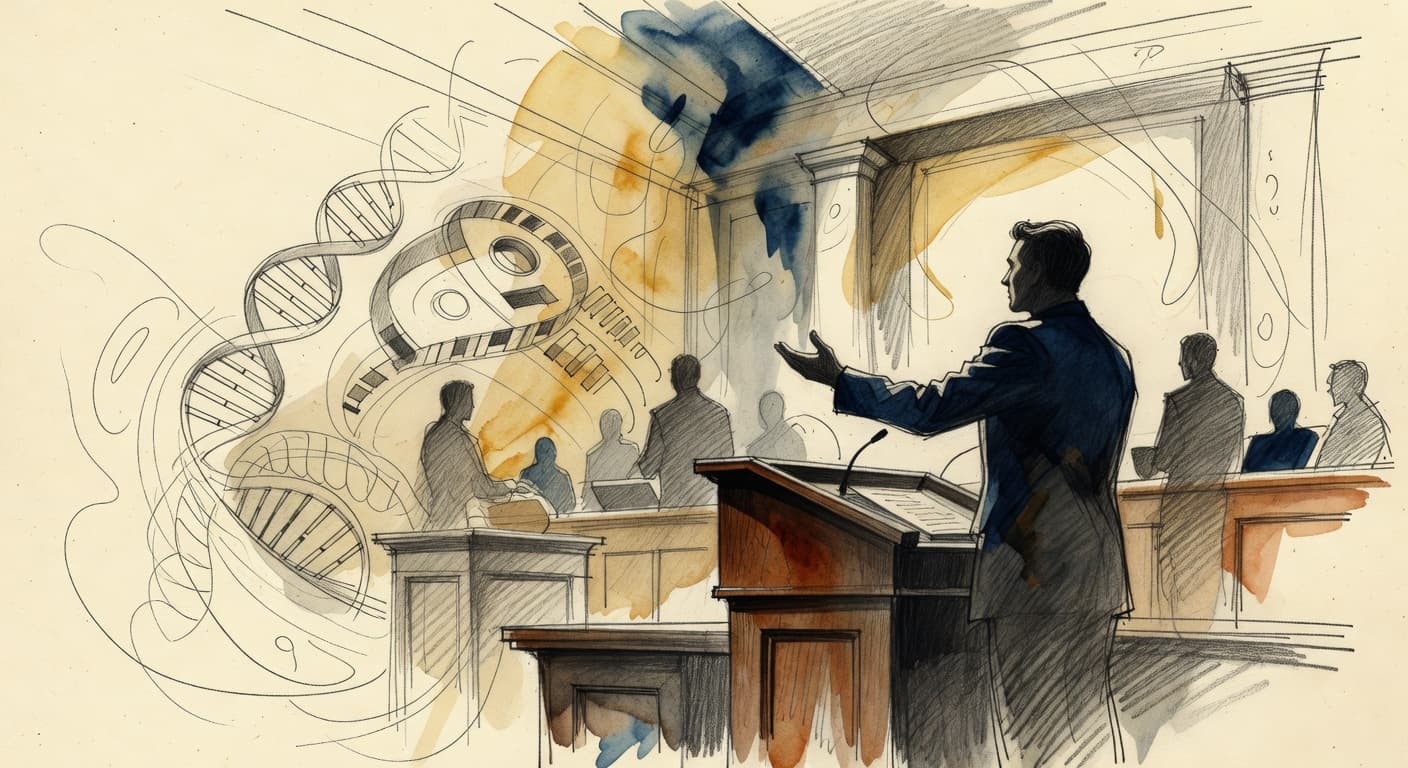
Yablonsky's filing focused on an interrogation recording and on whether prosecutors and his lawyer properly handled audio and DNA evidence.
Question presented
1. HOW CAN THE SUPREME COURT OF THE UNITED STATES UPHOLD CONSTITUTIONAL LAWS IF THE COURT ALLOWS STATE TERRITORIES TO PLUNDER THE CORNERSTONES OF THOSE LAWS WITH ROGUISH MOTIVES, WHO ALLOW PROSECUTORS TO MANIPULATE FACTS UNTIL THEY ARE HISTORICALLY INNACURATE. 2. IS IT THE UNITED STATES SUPREME COURTS INTENTION AND IN THE BEST INTERESTS OF THE UNITED STATES TO ALLOW PROSECUTORS TO MANIPULATE/ MANUFACTURE EVIDENCE UNTIL THEY ARE HISTORICALLY INNACURATE IN ORDER TO COERSE VERDICTS THAT ARE UNRELIABLE WHEN THE TOTATLITY OF ALL OTHER EVIDENCE RELATED TO THE CASE WHICH ARE INCULPATING,IS LESS THAN CIRCUMSTANCIAL? 3. IF THE STATE PROSECUTORS ENTIRE CASE CENTERED ON AN INTERROGATION RECORDING THAT WAS ILLEGALLY HELD. WOULDN'T THE PROSECUTOR' ALTERING REAL TIME RESPONSES INTO HISTORICALLY INNACURATE ANSWERS VIOLATE DUE PROCESS CLAUSES WHICH ARE PROTECTED BY FEDERAL . LAW UNDER THE XIV AMENDMENT UNITED STATE CONSTITUTION NAPUE V ILLIONOIS 360 U.S. 264? 4. IS IT IN THE BEST INTEREST OF THE UNITED STATES TO ' ALLOW TRIAL COUNSEL TO ESCAPE FIDUCIARY DUTIES TO FULLY INVESTIGATE MATERIAL EVIDENCES WHICH ARE TANGIBLE AUDIO RECORDINGS AS WELL AS SCIENTIFIC DNA EVIDENCES BEFORE : THEY MAKE CRITICAL STRATEGIC DECISIONS WHICH FORFIET DEFENDANTS RIGHTS TO PLACE PROSECUTORS CASES TO EFFECTIVE AND MEANINGFUL ADVERSARIAL CHALLENGES UNITED STATES V CRONIC 466 U, S 648?
What the Court decided
Holding
Petition DENIED.
What's next
The Court has finished this docket action. The record identifies no further step in this Supreme Court case.
Documents
Opinions
Key filings
Docket activity
New analysis added
AI analysis generated: Case Briefing
New analysis added
New analysis added
New analysis added
Show 7 moreShow fewer
New analysis added
New analysis added
New analysis added
New analysis added
New analysis added
New analysis added
New analysis added
More questions
- Did Yablonsky ask to proceed without paying court fees?
- Yes. His filing included that request along with the petition for Supreme Court review.
Sources
Primary materials plus reporting. Best-effort analysis: this explainer relies on a mix of primary materials and trusted secondary sources. Official filings and opinions remain authoritative.