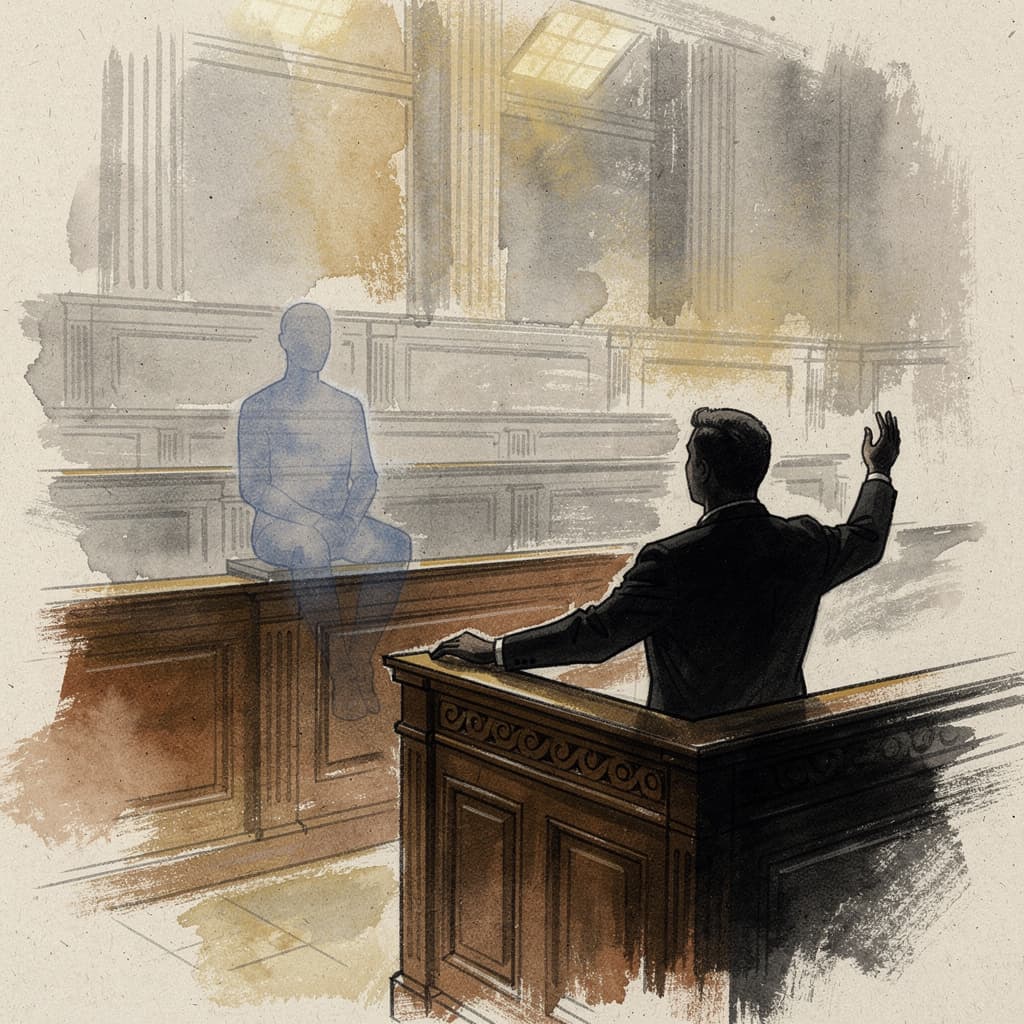
Sanchez v. California
This is a pending petition for a writ of certiorari filed by Sanchez against the state of California. The specific facts and legal issues involved in the case are not detailed in the available docket information.
- Status
- Before Arguments
- Appeal from
- United States Court of Appeals for the Ninth Circuit
Briefing
What Happened
Sanchez is asking the Supreme Court to decide if prosecutors can use an expert witness to tell a jury about statements made by people who are not in court. The case focuses on whether this practice violates the Sixth Amendment, which gives defendants the right to confront the witnesses against them.
Why It Matters
This case could change how evidence is presented in criminal trials across the country. If the Court rules for Sanchez, prosecutors might have to bring more witnesses to testify in person rather than relying on an expert to summarize what others said.
The Big Picture
The Supreme Court has spent years defining the Confrontation Clause, which ensures defendants can cross-examine their accusers. This case addresses a loophole where experts use 'hearsay' (out-of-court statements) to explain their professional opinions to a jury.
What the Justices Said
No substantive justice or advocate reactions are available yet.
The Bottom Line
The Court must decide if expert testimony that repeats out-of-court statements violates a defendant's constitutional right to face their accusers.
What's Next
The Supreme Court will first decide whether to grant certiorari (the decision to hear the case). If they accept it, the next major milestone will be the scheduling of oral arguments.
What is the core dispute in Sanchez v. California?
The dispute is about whether experts can tell juries about statements made by people who are not present to be cross-examined. Sanchez argues this violates his constitutional right to confront witnesses.
What are the real-world consequences of this case?
A ruling could limit the types of evidence prosecutors can use in criminal trials. It may require more witnesses to testify in person, which could make trials longer and more complex.
What legal rule is the Supreme Court being asked to clarify?
The Court is asked to clarify the Sixth Amendment's Confrontation Clause. They must decide if it prevents experts from repeating out-of-court statements as the basis for their opinions.
What is the next procedural step for this case?
The Court must review the petition for a writ of certiorari (a request for the Court to hear the case). If they agree to hear it, they will set a date for oral arguments.
How does this case fit into a broader legal trend?
This case follows a series of rulings starting with Crawford v. Washington that strengthened the rights of defendants. It continues the debate over when out-of-court statements are considered 'testimonial' evidence.
Timeline
Sources
Docket plus reporting.
Refreshed Mar 11, 2026.
Context reporting
Documents
Key filings
Coverage
Related cases