Smith v. United States
In brief
The Supreme Court declined to hear the case, so it did not decide the standard for reviewing the claimed Confrontation Clause violation.
- Where it stands
- Decided
Decided · May 26, 2020
- What it’s about
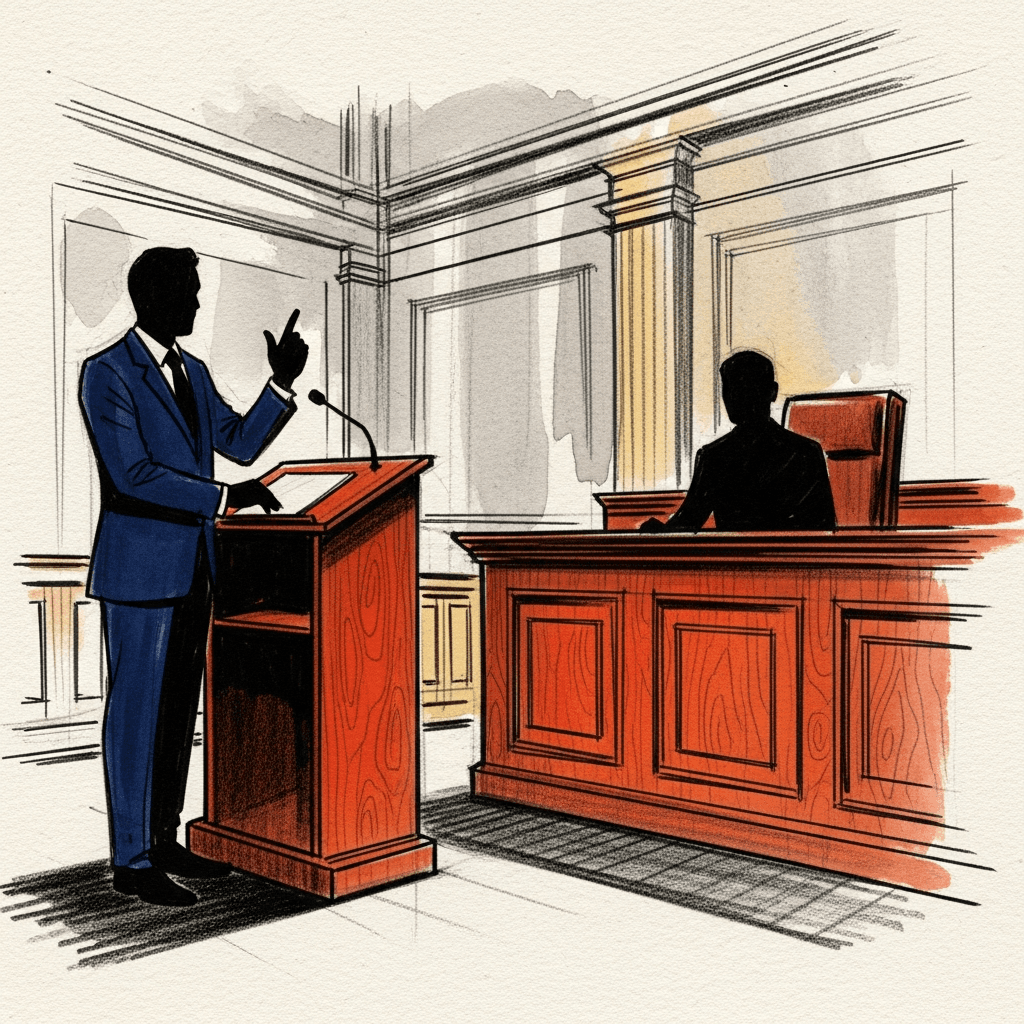
- This case asks what standard of review an appellate court should apply when a defendant claims a trial judge violated their Confrontation Clause rights by restricting cross-examination of a prosecution witness.
- Who it affects
- Smith and the United States received no Supreme Court ruling on the requested review standard or the underlying Confrontation Clause claim.
Summary: written with AI from the case record.
What it's about
The petition came from a federal case in the Eleventh Circuit and focused on limits on a defendant's questioning of a prosecution witness.
Question presented
What standard of review should an appellate court apply when a defendant claims a trial judge violated their Confrontation Clause rights by restricting cross-examination of a prosecution witness?
What the Court decided
Holding
Petition DENIED.
What's next
The Supreme Court has finished this docket action. The record shows no further Supreme Court step or decision on the legal question.
Documents
Opinions
Key filings
Docket activity
New analysis added
AI analysis generated: Case Briefing
New analysis added
New analysis added
New analysis added
Show 7 moreShow fewer
New analysis added
New analysis added
New analysis added
New analysis added
New analysis added
New analysis added
New analysis added
Sources
Primary materials plus reporting. Best-effort analysis: this explainer relies on a mix of primary materials and trusted secondary sources. Official filings and opinions remain authoritative.