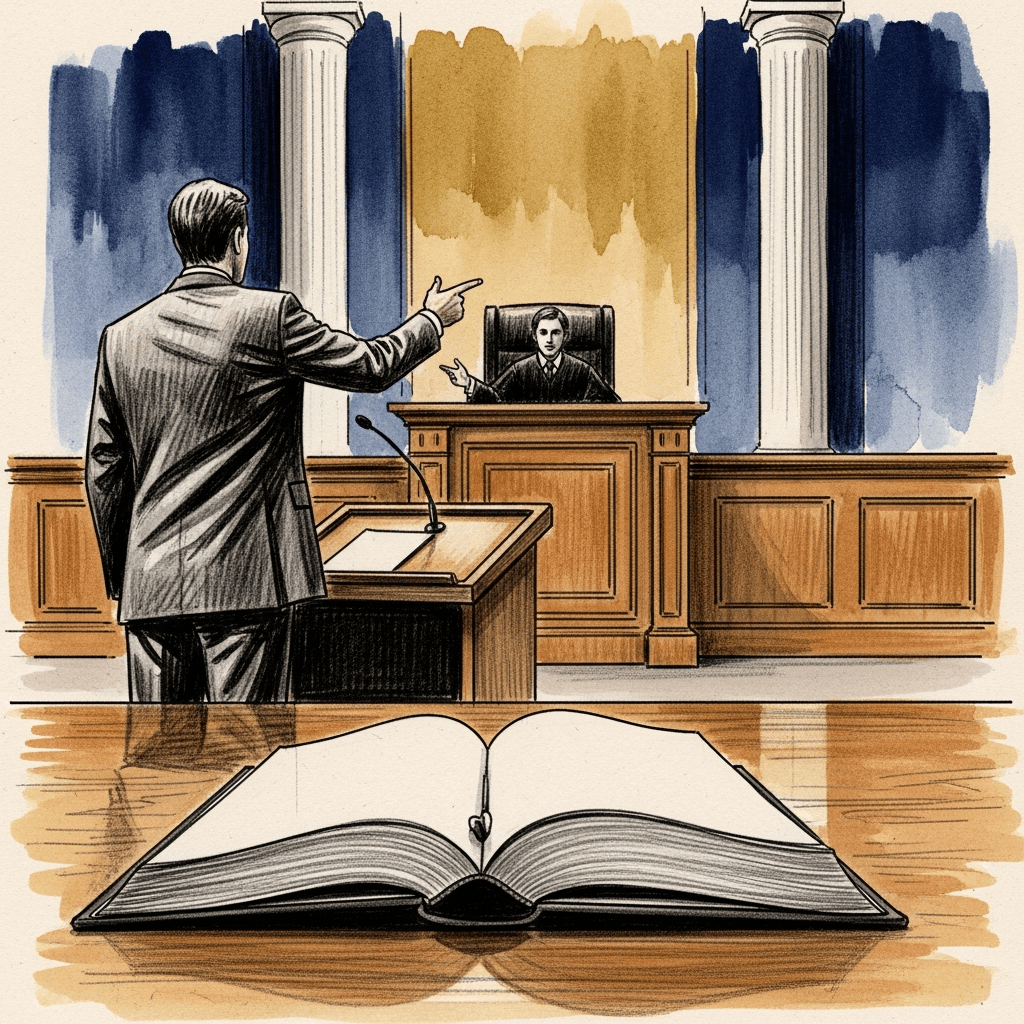
Illustration for Bates v. United States
Docket 19-6922

Bates v. United States

This case asks whether a judge resentencing a defendant under the First Step Act is allowed to consider the defendant's current, legally correct Sentencing Guidelines range.

Status
Decided
Appeal from
United States Court of Appeals for the Sixth Circuit
Decision released
May 18, 2020

Decision briefing

The case in plain English

Start with the holding, why it matters, and the strongest takeaways from the opinions.

What Happened

The Supreme Court addressed whether judges can use updated, correct sentencing rules when reconsidering a person's prison term under the First Step Act. The case focused on whether the law allows or prevents a court from looking at the current legal guidelines during a resentencing hearing. This specific dispute arose from a petition regarding how Section 404 of the First Step Act should be applied in federal courts.

Why It Matters

This case affects thousands of people currently serving long prison sentences for drug-related crimes. If judges are allowed to use current, lower sentencing ranges, many defendants could see their prison time significantly reduced. It determines how much power a judge has to fix old sentences that are now considered too harsh.

The Big Picture

The First Step Act was passed by Congress to address fairness in the justice system and reduce prison overcrowding. This case is part of a larger debate over how much freedom judges should have to correct past sentencing mistakes. It highlights the tension between following old rules and applying new, more lenient standards.

What the Justices Said

The Court issued a decision on May 18, 2020, but the provided research context does not include the specific vote count or the names of the justices who wrote the opinions.

The Bottom Line

The Court ruled on whether judges must use current sentencing guidelines when reducing prison terms under the First Step Act.

What's Next

Lower courts and federal agencies will now have to adjust how they handle resentencing requests based on this ruling. Lawyers for incarcerated individuals will likely file new motions to have their clients' sentences reviewed under the clarified rules. Observers will watch to see if this leads to a consistent standard across all federal districts.

What was the core dispute in this case?

The main issue was whether a judge can look at current, legally correct sentencing ranges when reducing a defendant's prison term. The case specifically looked at how Section 404 of the First Step Act should be interpreted by district courts.

What are the real-world consequences for defendants?

Defendants could receive shorter prison sentences if judges are permitted to use updated guidelines. This change directly impacts individuals serving time for older drug offenses who are seeking relief under new federal laws.

What legal rule was being examined?

The Court examined Section 404 of the First Step Act, which allows for the retroactive (applying to the past) reduction of certain sentences. The legal question was whether this law prohibits or requires the use of modern sentencing math.

What is the next procedural step for this case?

Now that the Court has decided, the case will influence how lower courts handle similar resentencing petitions. Affected parties and their lawyers will monitor how different federal circuits apply the Supreme Court's guidance.

How does this fit into a broader trend?

This case is part of a national movement toward criminal justice reform and reducing mandatory minimum sentences. It reflects ongoing efforts by the government to make the legal system more equitable for those already in prison.

Where things stand

Timeline

Key court milestones at a glance.

Case Accepted
Arguments AheadUpcoming
Decision ReleasedMay 18, 2020

Source note

How this page is sourced

Official case materials anchor this page. Reporting is used only to add context and explain the dispute in plain English.

Page data last refreshed Mar 30, 2026.

Primary materials

Documents & resources

Briefs, opinions, transcripts, and audio when they are available.

Recent coverage

In the news

Selected reporting and analysis that can help you follow the public conversation around the case.

More to watch

Related cases on the docket

Other live cases with a similar posture, so readers can move across the docket without losing the thread.