Rowe v. Clark
This case involves a petition for a writ of certiorari filed in the Supreme Court following a decision by the United States Court of Appeals for the Third Circuit. The specific facts and legal issues of the dispute are not detailed in the available records.
- Status
- Before Arguments
- Appeal from
- United States Court of Appeals for the Third Circuit
Briefing
What Happened
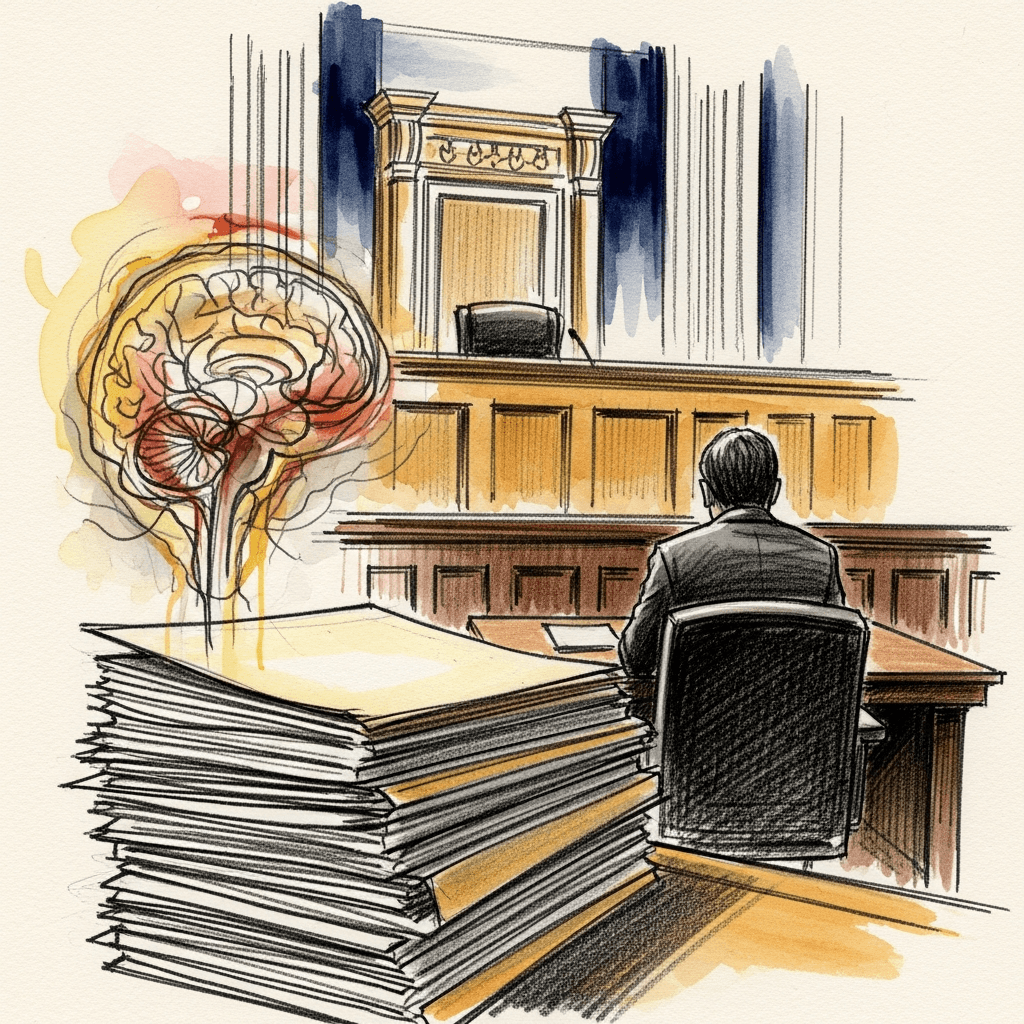
This case involves a legal dispute over whether a lower court was wrong to deny a certificate of appealability (a document needed to appeal a ruling) to a petitioner named Rowe. Rowe argues that his trial lawyer failed to properly investigate and present evidence of his intellectual disability and brain damage during his trial.
Why It Matters
The outcome could change how courts decide when a defendant has the right to appeal a claim of ineffective legal help. If the Court rules in favor of Rowe, it could make it easier for other defendants with mental health or brain damage claims to have their cases reviewed.
The Big Picture
This case touches on the constitutional right to a fair trial and the quality of legal representation provided to defendants. It highlights the ongoing debate over how the legal system handles evidence of mental health issues and intellectual disabilities in criminal cases.
What the Justices Said
No substantive justice or advocate reactions are available yet.
The Bottom Line
The Supreme Court is being asked to decide if a lower court unfairly blocked a defendant's appeal regarding his lawyer's performance.
What's Next
The case is currently pending, and the next major milestone will be a decision on whether the Court will hear oral arguments. If the Court proceeds, lawyers for both sides will present their cases to the justices in Washington, D.C.
What is the core dispute in this case?
The dispute centers on whether Rowe's lawyer failed to properly show evidence of his brain damage. Rowe argues this failure meant he did not receive a fair trial.
What are the real-world consequences for defendants?
A ruling could clarify the standards for when a defendant can appeal a lawyer's mistakes. This affects how many people can get a second chance in court.
What legal rule is being examined by the Court?
The Court is looking at the rules for a certificate of appealability (permission to appeal). They must decide if the Third Circuit applied these rules correctly to Rowe.
What is the next procedural step for this case?
The Court will likely schedule oral arguments or issue a scheduling update. Currently, the case remains in a pending status without a set date.
How does this fit into a broader legal trend?
This case follows a trend of the Court reviewing how the justice system treats individuals with intellectual disabilities. It examines the balance between finality and fairness.
Timeline
Sources
Docket plus reporting.
Refreshed Mar 11, 2026.
Context reporting
Documents
Key filings
Coverage
Related cases