Wilkerson v. Alabama
In brief
The Supreme Court did not take Wilkerson's case; the Alabama judgment remains in place, and the Court did not decide the constitutional question.
- Where it stands
- Decided
Decided · May 18, 2020
- What it’s about
- Nicholas Wilkerson challenged his life-without-parole sentence for an offense committed as a juvenile, arguing that the Eighth Amendment requires a court to make a factual finding that he is permanently incapable of rehabilitation before imposing that sentence.
- Who it affects
- The denial leaves the Alabama court's judgment in place for Wilkerson, without a Supreme Court answer to the constitutional question.
Summary: written with AI from the case record.
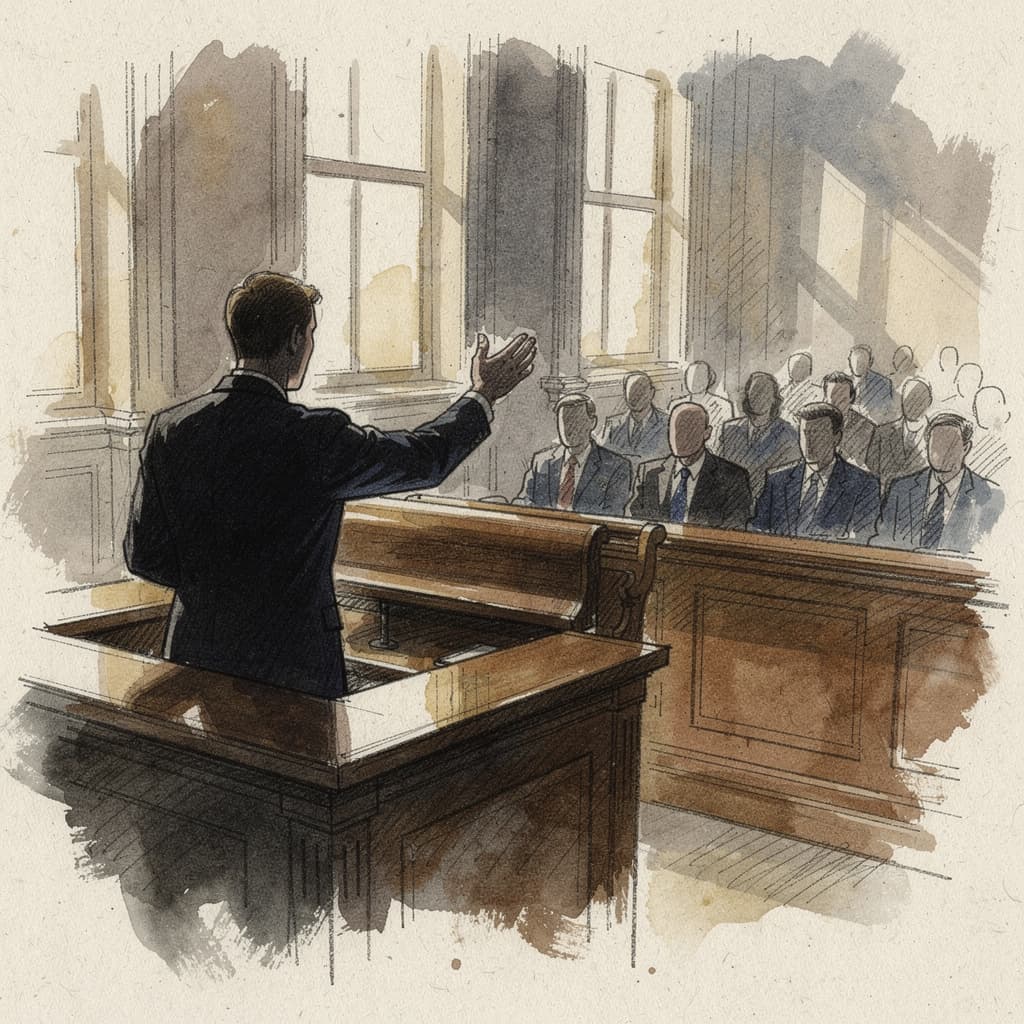
What it's about
The Supreme Court denied review, leaving the Alabama court’s judgment in place.
Nicholas Wilkerson challenged a life-without-parole sentence for an offense committed when he was a juvenile. He argued that the Eighth Amendment required a court to find that he was permanently incapable of rehabilitation before imposing that sentence.
The petition concerned how the Eighth Amendment's limits on life-without-parole sentences apply to people who committed offenses as juveniles.
Question presented
Whether the Sixth and Fourteenth Amendments require a trial court to allow a defendant to ask prospective jurors whether they would automatically vote for the death penalty if the defendant were convicted of capital murder?
What the Court decided
Holding
Petition DENIED.
What's next
The Supreme Court's docket action is finished. The Alabama court's judgment remains in place because the Court issued no ruling on the main constitutional question.
Documents
Opinions
Key filings
Docket activity
New analysis added
AI analysis generated: Case Briefing
New analysis added
New analysis added
New analysis added
Show 7 moreShow fewer
New analysis added
New analysis added
New analysis added
New analysis added
New analysis added
New analysis added
New analysis added
Sources
Primary materials plus reporting. Best-effort analysis: this explainer relies on a mix of primary materials and trusted secondary sources. Official filings and opinions remain authoritative.