McGill v. United States
In brief
The Supreme Court refused to hear the petition and left the Eleventh Circuit’s decision in place, but it did not decide the underlying legal question.
- Where it stands
- Decided
Decided · May 18, 2020
- What it’s about
- The case concerned whether conspiracy to commit Hobbs Act robbery counts as a “crime of violence” for purposes of the federal firearm offense in 18 U.S.C. § 924(c).
- Who it affects
- The denial left the Eleventh Circuit’s decision in place for McGill and the United States, but the Supreme Court did not decide whether this offense is a “crime of violence.”
Summary: written with AI from the case record.
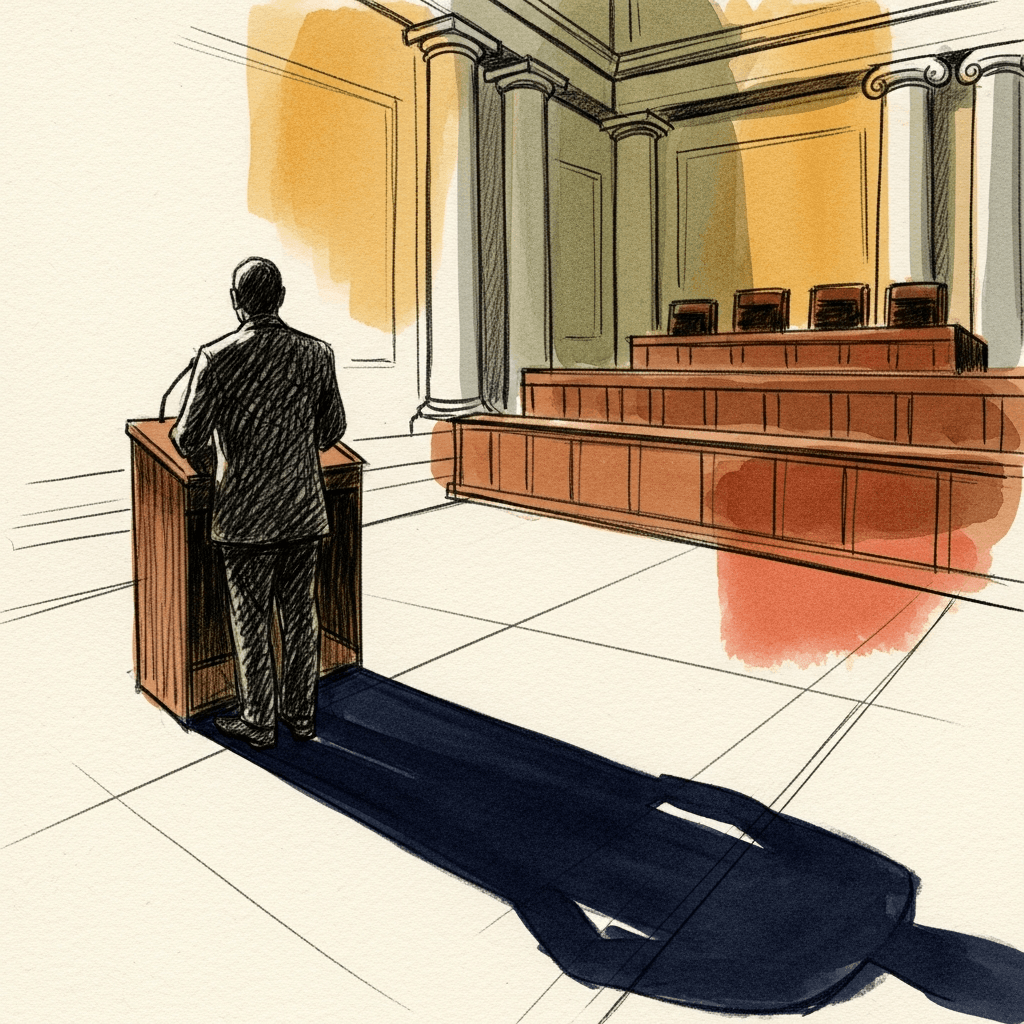
What it's about
The Supreme Court denied review, leaving the Eleventh Circuit’s decision in place without deciding the issue on the merits.
The dispute came from the Eleventh Circuit and focused on how the federal firearm statute treats conspiracy to commit Hobbs Act robbery.
Question presented
Whether conspiracy to commit Hobbs Act robbery, in violation of 18 U.S.C. § 1951(a), is a “crime of violence” within the meaning of 18 U.S.C. § 924(c)(3)(A)?
What the Court decided
Holding
Petition DENIED.
What's next
The Supreme Court has finished this docket action. The lower-court decision remains in place for the parties; no Supreme Court ruling on the main legal question was issued.
Documents
Opinions
Key filings
Docket activity
New analysis added
AI analysis generated: Case Briefing
New analysis added
New analysis added
New analysis added
Show 7 moreShow fewer
New analysis added
New analysis added
New analysis added
New analysis added
New analysis added
New analysis added
New analysis added
Sources
Primary materials plus reporting. Best-effort analysis: this explainer relies on a mix of primary materials and trusted secondary sources. Official filings and opinions remain authoritative.