Evens v. Evens
In brief
The Court refused to hear the case, so the South Dakota ruling stayed in place without a Supreme Court decision on the legal question.
- Where it stands
- Decided
Decided · May 26, 2020
- What it’s about
- The Court declined to review a dispute over whether federal military-retirement law bars a state court from requiring a veteran to compensate a former spouse after the veteran elected combat-related special compensation, which reduced the former spouse’s share of retirement pay.
- Who it affects
- The South Dakota ruling remained in place for this veteran and former spouse, but this Supreme Court case did not decide the federal-law question.
Summary: written with AI from the case record.
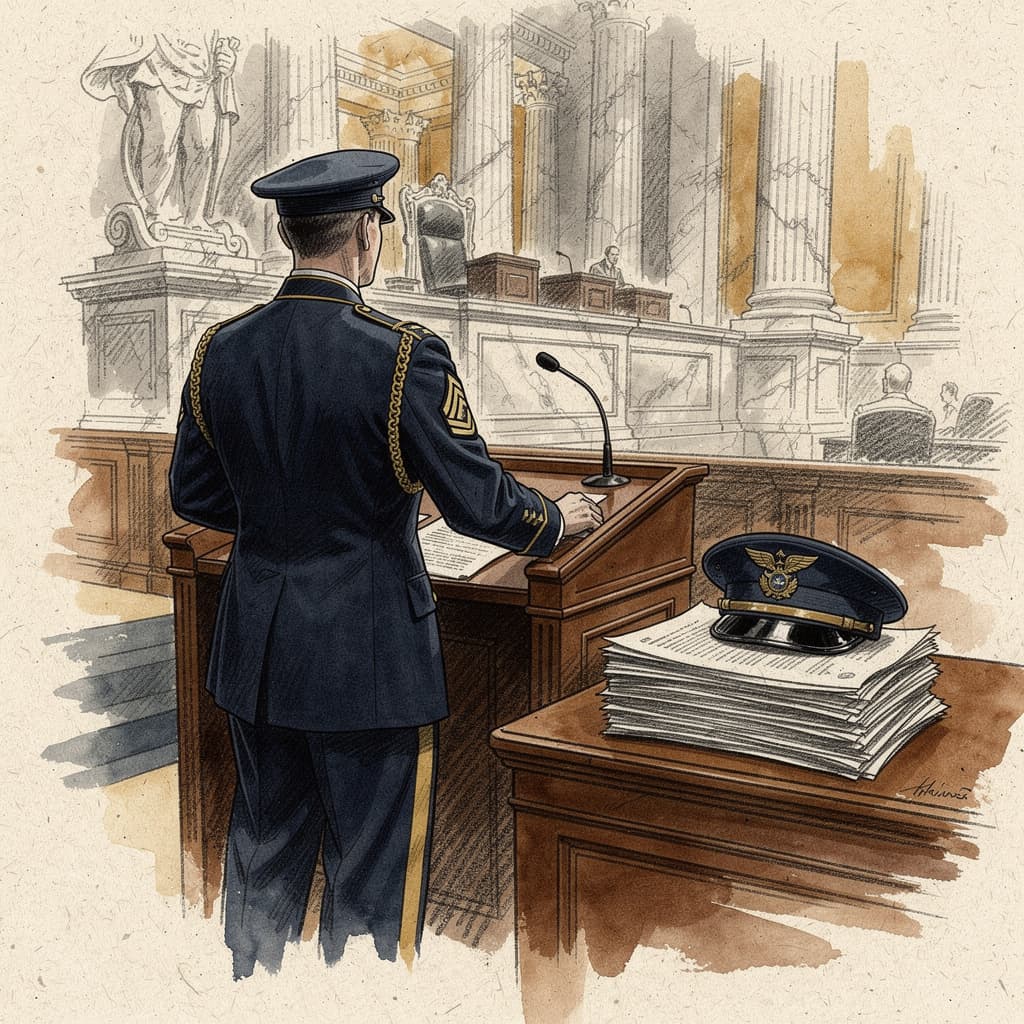
What it's about
The South Dakota court’s ruling therefore remained in place.
The dispute arose after the veteran chose combat-related special compensation, reducing the former spouse's share of the veteran's military retirement pay.
Question presented
Whether the Uniformed Services Former Spouses’ Protection Act, 10 U.S.C. § 1408, and this Court’s decision in Howell v. Howell, 137 S. Ct. 1400 (2017), preempt a state court from ordering a veteran to indemnify a former spouse for a reduction in the former spouse’s share of the veteran’s military retirement benefits caused by the veteran’s post-divorce waiver of retirement pay to receive combat-related special compensation?
What the Court decided
Holding
Petition DENIED.
What's next
The South Dakota Supreme Court's ruling remains in place in this dispute. The Supreme Court has finished this docket action and issued no further ruling on the federal-law issue.
Documents
Opinions
Key filings
Docket activity
New analysis added
AI analysis generated: Case Briefing
New analysis added
New analysis added
New analysis added
Show 7 moreShow fewer
New analysis added
New analysis added
New analysis added
New analysis added
New analysis added
New analysis added
New analysis added
Sources
Primary materials plus reporting. Best-effort analysis: this explainer relies on a mix of primary materials and trusted secondary sources. Official filings and opinions remain authoritative.