Crehan v. Louisiana
In brief
The Supreme Court did not decide whether Crehan was entitled to relief; it wiped out the earlier ruling and sent the case back for reconsideration under Ramos.
- Where it stands
- Case remanded
Remanded · April 27, 2020
- What it’s about
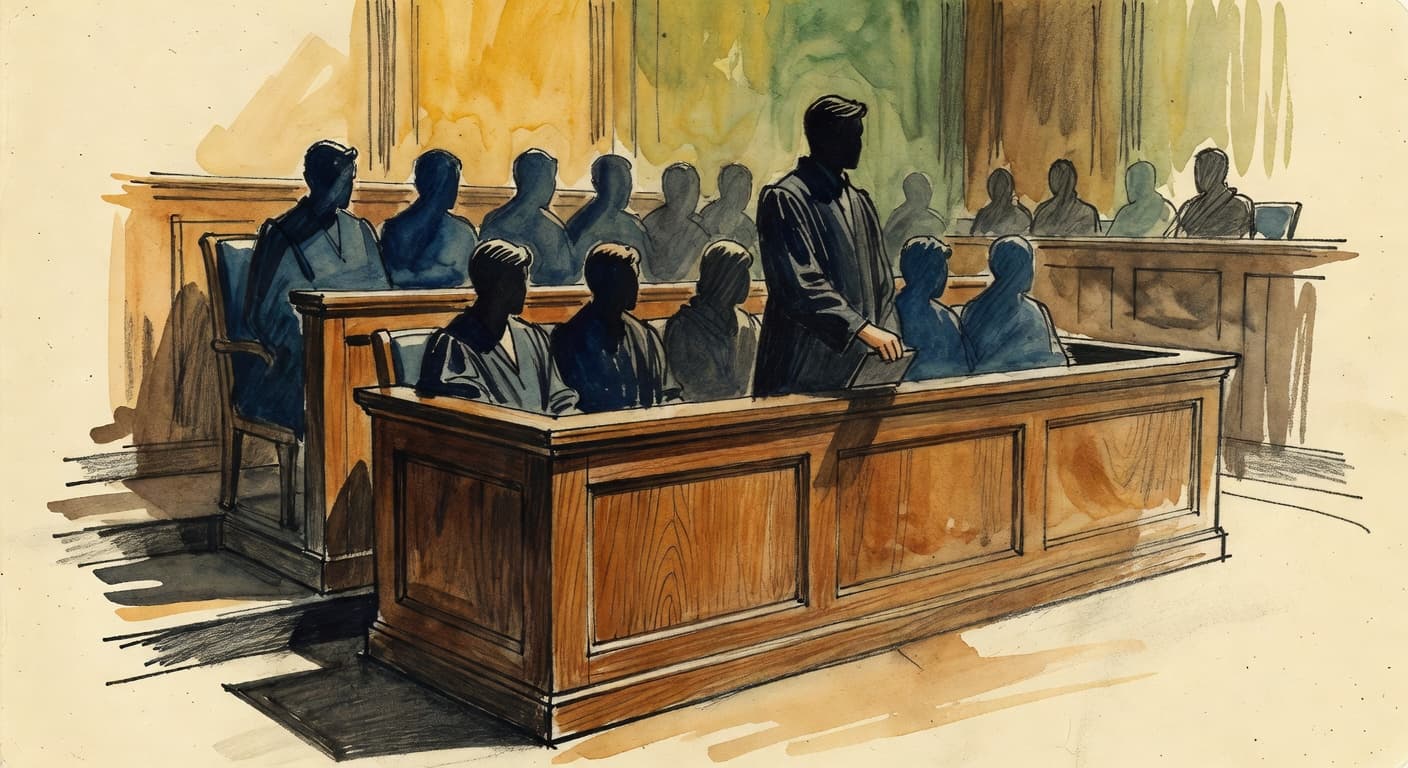
- Jace Crehan challenged Louisiana’s use of a nonunanimous jury verdict in his case. The Court wiped out (vacated) the state appeals court’s ruling and sent the case back (remanded) for reconsideration in light of Ramos v.
- Who it affects
- The order requires Louisiana's appeals court to reconsider Crehan's case using Ramos. It did not decide whether Crehan had raised the jury-unanimity issue properly earlier in the case.
Summary: written with AI from the case record.
What it's about
Louisiana, without deciding whether Crehan properly raised the issue earlier.
This was a grant-vacate-remand (GVR), meaning the Court ordered another look after Ramos rather than deciding Crehan's case on its merits.
Question presented
Whether Petitioner was constitutionally entitled to a unanimous jury under the Fifth, Sixth, and Fourteenth Amendments to the United States Constitution?
What the Court decided
Holding
Motion to proceed in forma pauperis and petition for a writ of certiorari GRANTED. Judgment VACATED and case REMANDED for further consideration in light of Ramos v. Louisiana , 590 U. S. ___ (2020). Justice Alito, concurring in the decision to grant, vacate, and remand: In this and in all other cases in which the Court grants, vacates, and remands in light of Ramos v. Louisiana , I concur in the judgment on the understanding that the Court is not deciding or expressing a view on whether the question was properly raised below but is instead leaving that question to be decided on remand.
- Result
- Remanded
What's next
The Louisiana appeals court must reconsider the case in light of Ramos v. Louisiana. That court must also address whether Crehan properly raised his jury-unanimity claim, if necessary.
Documents
Docket activity
New analysis added
AI analysis generated: Case Briefing
AI analysis generated: Decision Record
Case data updated: summary, question_presented, generation_metadata
Status changed from pending to decided
Show 1 moreShow fewer
Brief added: Petition
More questions
- What happened in Crehan v. Louisiana?
- The Supreme Court wiped out the Louisiana appeals court's judgment and sent the case back for reconsideration in light of Ramos v. Louisiana.
- Did the Supreme Court rule that Crehan wins?
- No. The Court issued a procedural GVR order and did not decide the merits of Crehan's claim.
- What issue remains unresolved in Crehan's case?
- The Court left open whether Crehan properly raised his challenge to the nonunanimous jury verdict in the earlier proceedings.
- What happens next for Crehan?
- The Louisiana appeals court will reconsider the case under Ramos. It may also decide whether the jury-unanimity issue was properly raised.
Sources
Primary materials plus reporting. Best-effort analysis: this explainer relies on a mix of primary materials and trusted secondary sources. Official filings and opinions remain authoritative.