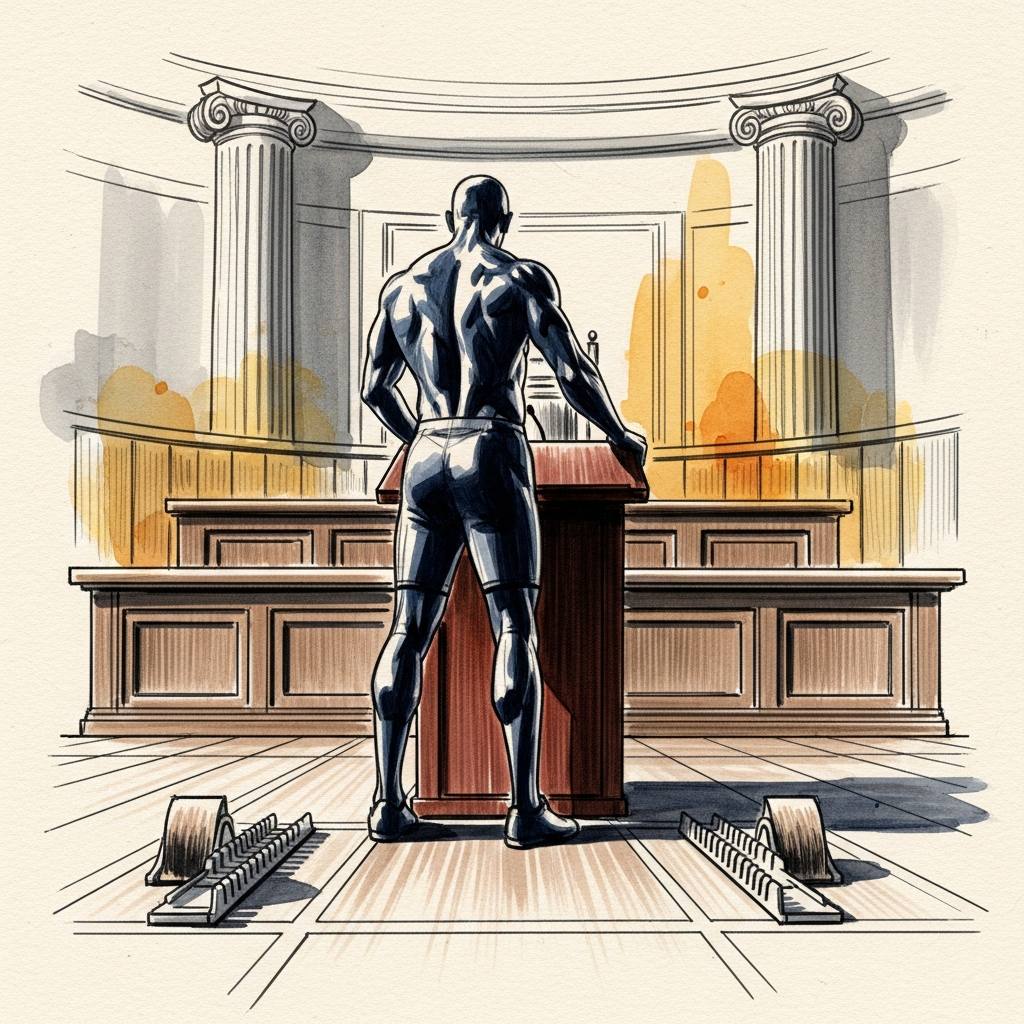
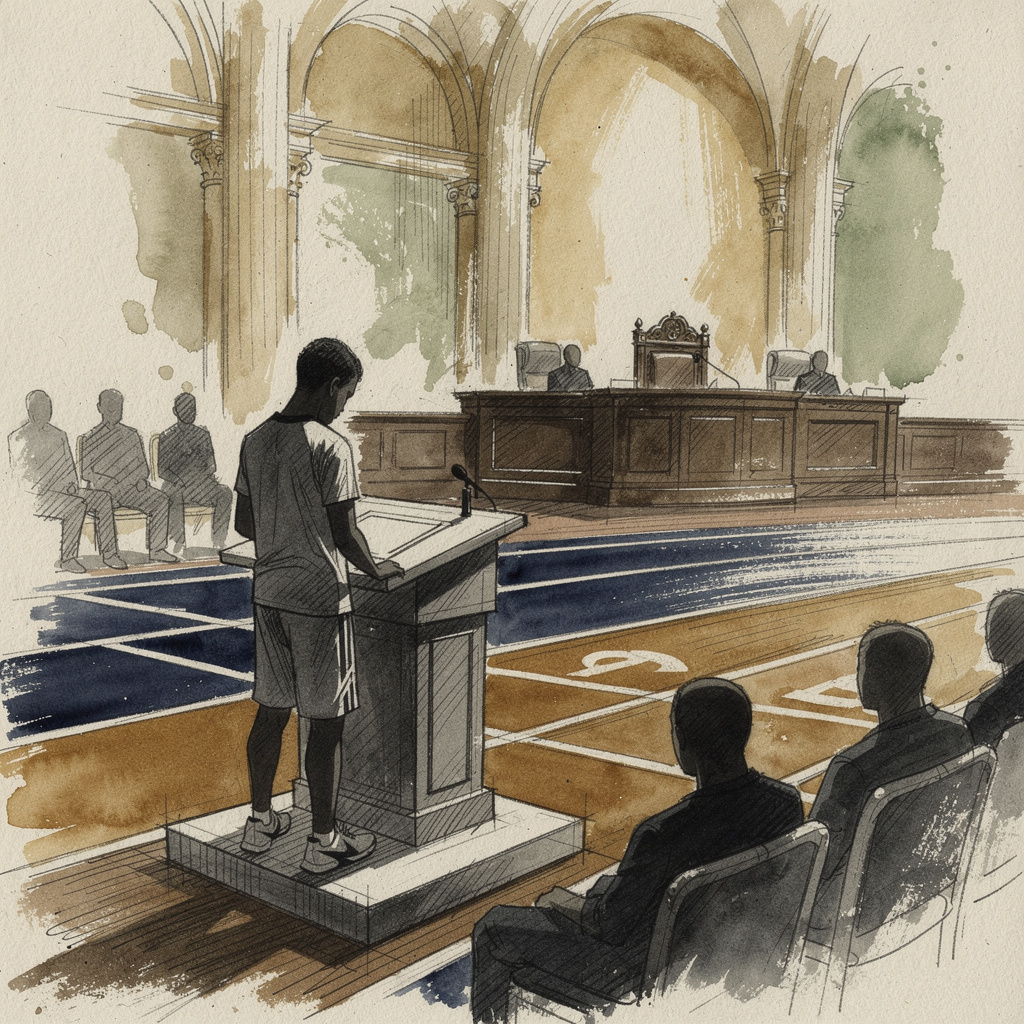
Illustration for Peterson v. Linear Controls, Inc.
Docket 18-1401

Peterson v. Linear Controls, Inc.

This case asks whether Title VII's protections against discrimination in the terms, conditions, or privileges of employment apply only to major decisions like hiring, firing, and compensation. It examines the scope of workplace protections under the Civil Rights Act of 1964.

Status
Decided
Appeal from
United States Court of Appeals for the Fifth Circuit
Review granted
Apr 6, 2020

Decision briefing

The case in plain English

Start with the holding, why it matters, and the strongest takeaways from the opinions.

What Happened

The Supreme Court was asked to decide if Title VII of the Civil Rights Act only protects workers from major changes like being fired or losing pay. The case involved a worker who argued that discrimination in daily work conditions should also be illegal under federal law. However, the case was dismissed by the Court on July 10, 2020, after the parties involved agreed to drop the legal challenge.

Why It Matters

This case could have changed how much power employees have to sue over unfair treatment that does not involve a paycheck. For example, it would have clarified if being forced to work in harsher physical conditions because of race is a violation of civil rights. Because the case was dismissed, the legal standard for what counts as an 'adverse employment action' remains different across various parts of the country.

The Big Picture

For decades, courts have debated whether the Civil Rights Act covers every aspect of a job or just 'ultimate' decisions like hiring and firing. This case was part of a broader push to ensure that 'terms and conditions' of employment include the daily environment workers face. The dispute highlights the ongoing tension between protecting worker rights and limiting the number of lawsuits businesses face.

What the Justices Said

The case was dismissed by the Court on July 10, 2020, pursuant to Rule 46.1, which occurs when both sides agree to end the case. No formal vote or written opinion on the legal merits was issued by the justices.

The Bottom Line

The Supreme Court did not issue a final ruling on the merits because the parties agreed to dismiss the case. The question of whether Title VII covers minor workplace conditions remains a major legal debate for future cases.

What's Next

Watch for how lower courts, agencies, or affected parties respond to the ruling. Other similar cases are likely to reach the Supreme Court to resolve whether discrimination in daily work assignments is illegal. Employers will continue to follow existing local rules until a national standard is set.

What was the core dispute in this case?

The case centered on whether Title VII protects employees from discrimination in all 'terms and conditions' of work. The worker argued this includes daily tasks and physical working environments, not just pay.

What are the real-world consequences of this case being dismissed?

Workers in some regions may still find it difficult to sue over discriminatory work assignments. Without a clear Supreme Court ruling, the level of protection depends on which local court hears the case.

What is the legal rule regarding 'terms and conditions' of employment?

Currently, some courts use a narrow rule that only covers 'ultimate' decisions like firing. Other courts use a broader rule that includes any significant change to a person's work life.

What is the next procedural step for this legal issue?

Since this specific case was dismissed, lawyers will look for a new case to bring to the Supreme Court. This will allow the justices to finally settle the disagreement between lower courts.

How does this case fit into a broader legal trend?

There is a growing trend of employees asking courts to expand civil rights protections to cover everyday workplace bias. This reflects a shift toward addressing systemic unfairness rather than just major personnel actions.

Where things stand

Timeline

Key court milestones at a glance.

Case AcceptedApr 6, 2020
Arguments AheadUpcoming
Decision Released

Source note

How this page is sourced

Official case materials anchor this page. Reporting is used only to add context and explain the dispute in plain English.

Page data last refreshed Mar 30, 2026.

Primary materials

Documents & resources

Briefs, opinions, transcripts, and audio when they are available.

Recent coverage

In the news

Selected reporting and analysis that can help you follow the public conversation around the case.

More to watch

Related cases on the docket

Other live cases with a similar posture, so readers can move across the docket without losing the thread.