North Carolina, Applicants v. Sandra Little Covington
from the United States District Court for the Middle District of North Carolina.
- Status
- Before Arguments
- Appeal from
- United States District Court for the Middle District of North Carolina
Briefing
What Happened
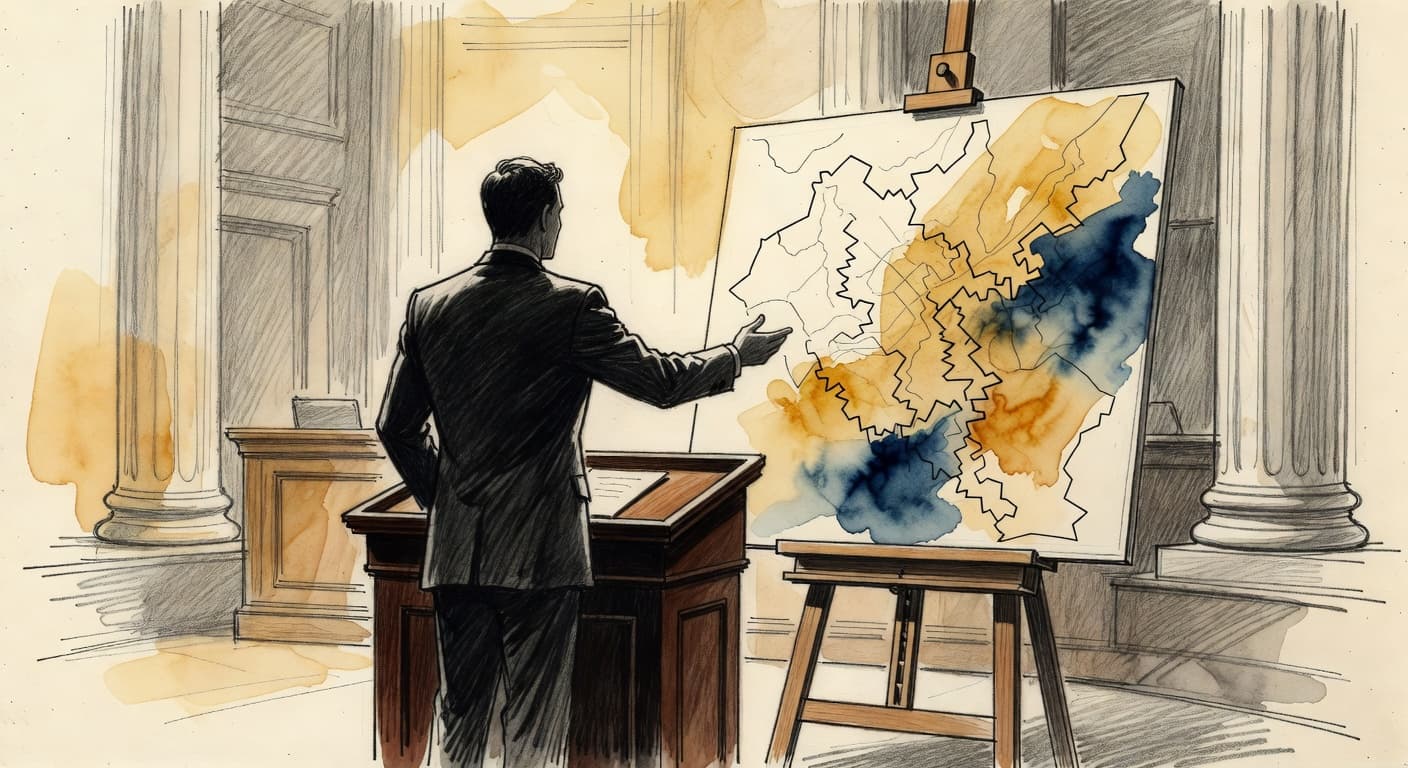
North Carolina officials are asking the Supreme Court to review a lower court decision regarding the state's legislative districts. The case involves a dispute over whether the current district maps were drawn in a way that unfairly uses race to group voters.
Why It Matters
The outcome could change how state lawmakers draw voting maps and who represents people in the state legislature. If the maps are found to be illegal, North Carolina might have to redraw its districts and hold new elections.
The Big Picture
This case is part of a long-running national debate over gerrymandering (the practice of drawing district lines to favor one group). Courts must decide when using race to draw lines crosses the line from following the law to violating the Constitution.
What the Justices Said
No substantive justice or advocate reactions are available yet.
The Bottom Line
North Carolina is challenging a lower court ruling that found its legislative districts were unconstitutionally drawn based on race.
What's Next
The Supreme Court will decide whether to hear oral arguments or issue a summary order. The next major milestone is a scheduling move or a formal statement from the justices.
What is the core dispute in this case?
The case centers on whether North Carolina's legislative districts were drawn using race in an unconstitutional way. State officials are appealing a lower court ruling that threw out the current maps.
What are the real-world consequences for voters?
Voters in North Carolina could see their district lines change before the next election. This could change which candidates win and how much influence different communities have in the state government.
What legal rule is being debated?
The Court is looking at how the Equal Protection Clause of the Constitution limits the use of race in redistricting. It must balance the Voting Rights Act with the rule against racial stereotyping.
What is the next procedural step?
The Supreme Court must decide if it will schedule oral arguments for the case. Currently, the case is pending and no date has been set for the justices to hear it.
How does this fit into a broader trend?
This case follows several other high-profile disputes over how states use race and politics to draw voting maps. It reflects a growing national focus on the fairness of the redistricting process.
Timeline
Sources
Docket plus reporting.
Refreshed Mar 11, 2026.
Coverage
Related cases