Lawsuits over seized Cuban property
Havana Docks v. Royal Caribbean Cruises
In brief
Havana Docks won the legal question, allowing its case against the cruise lines to proceed under the Court's reading of Title III.
- Where it stands
- Decided
Decided 8-1 · May 21, 2026 · Opinion by Justice Thomas
- What it’s about
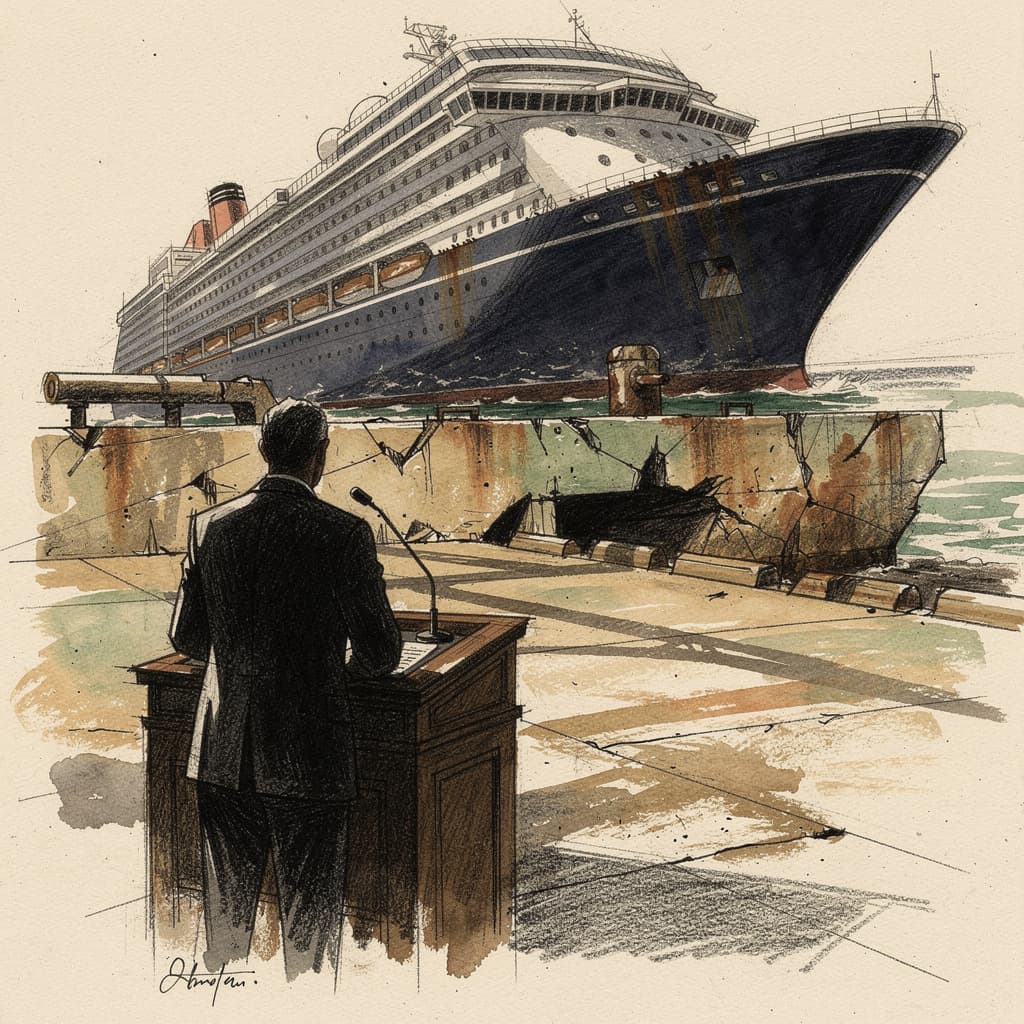
- The Supreme Court ruled 8–1 for Havana Docks, holding that Title III of the LIBERTAD Act allows it to sue cruise lines that knowingly used the Havana docks after Cuba confiscated them.
- Who it affects
- The decision makes it easier for former Cuban property owners to pursue claims against companies that use confiscated property.
Summary: written with AI from the case record.
What it's about
Havana Docks did not have to show that its own time-limited interest in the docks would still have existed when the cruise lines used them; the Eleventh Circuit’s contrary ruling was vacated and the case was sent back for further proceedings.
The case defines the reach of Title III's ban on "trafficking" (using or benefiting from confiscated property) under the Helms-Burton Act.
Question presented
Is the legal right to sue under Title III of the LIBERTAD Act tied to the confiscated property claim or the hypothetical, unexpired duration of the original property interest?
What the Court decided
The vote
- Joined the judgment
- Concurred in a separate opinion
- Dissented
- Wrote an opinion
- Majority · 7joined the Court's opinion
- Concurring · 1agreed with the result, wrote separately
- Sotomayorwrote separately
- Dissenting · 1disagreed with the result
- Kaganwrote the dissent
From the opinions
“The cruise lines' use of the docks is sufficient to establish that they used "property which was confiscated by the Cuban Government."”
What's next
The case returns to the Eleventh Circuit for further proceedings consistent with the Supreme Court's decision. Lower courts will apply the Court's rule in similar claims involving use of confiscated Cuban property.
Why it matters
For example, cruise lines that used confiscated Cuban docks may face damages claims even if an owner's original interest would have expired.
Docket activity
Case data updated: summary, question_presented, generation_metadata
New analysis added
AI analysis generated: Case Briefing
New analysis added
New analysis added
Show 7 moreShow fewer
AI analysis generated: Impact Analysis
AI analysis generated: Opinion Summary
New analysis added
New analysis added
Opinion added: Opinion of the Court - T
Status changed from pending to argued
Audio Recording added: Oral Arguments - Havana Docks Corp. v. Royal Caribbean Cruises
More questions
- What did the Supreme Court rule in Havana Docks?
- The Court said using the confiscated docks can support a Title III claim. Havana Docks need not prove the cruise lines used its unexpired property interest.
- Who is affected by the Havana Docks decision?
- Former Cuban property owners may have a clearer path to damages claims. Cruise lines and other companies using confiscated Cuban property may face greater exposure.
- What happens next in Havana Docks?
- The Eleventh Circuit will take up the case again under the Supreme Court's rule. The parties will continue the litigation in lower court.
Sources
Primary materials plus reporting. Best-effort analysis: this explainer relies on a mix of primary materials and trusted secondary sources. Official filings and opinions remain authoritative.