Intellectual disability and execution
Hamm v. Joseph Clifton Smith
In brief
The Court ended its review without resolving the IQ-score question presented by Alabama and Smith.
- Where it stands
- Decided
Decided 5-4 · May 21, 2026 · Opinion by Justice Curiam
- What it’s about
- Joseph Clifton Smith, who was sentenced to death in Alabama, argued that he is intellectually disabled and therefore cannot be executed under Atkins v. Virginia.
- Who it affects
- The case creates no new Supreme Court standard for evaluating varying IQ scores in death-penalty cases. Capital defendants raising intellectual-disability claims, including Smith, remain affected by the legal rules that otherwise apply to their cases.
Summary: written with AI from the case record.
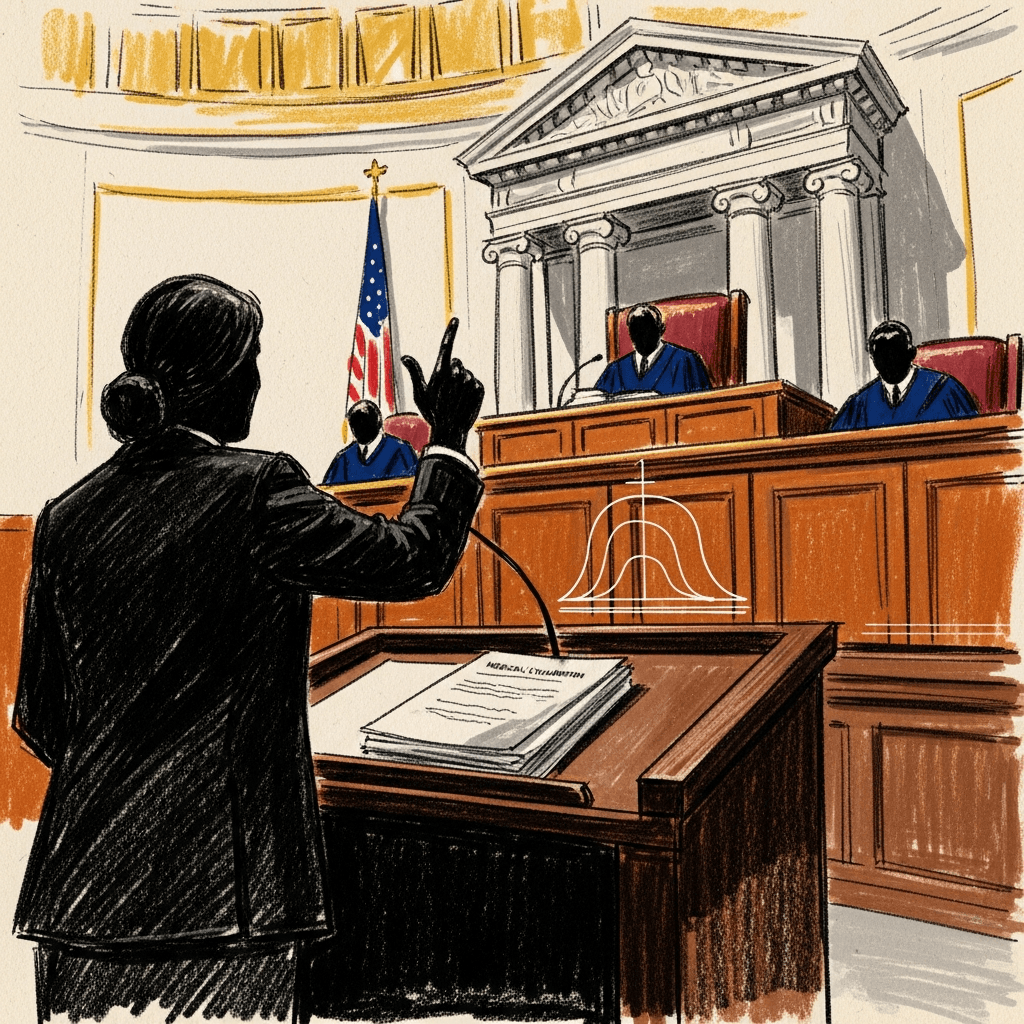
What it's about
The Supreme Court dismissed the case as improvidently granted, leaving the lower court’s ruling in place and not deciding how courts must weigh several IQ-test scores in assessing an Atkins claim.
Atkins v. Virginia protects intellectually disabled people from execution under the Eighth Amendment.
Question presented
When a capital defendant has taken multiple IQ tests with varying results, how should courts evaluate the cumulative effect of those scores to determine whether the defendant has significantly subaverage intellectual functioning under Atkins v. Virginia ?
What the Court decided
The vote
- Joined the judgment
- Concurred in a separate opinion
- Dissented
- Wrote an opinion
From the opinions
““The writ of certiorari is dismissed as improvidently granted.””
What's next
The Supreme Court case is over. Lower courts will continue addressing intellectual-disability claims without a new Supreme Court rule from this case on combining multiple IQ scores.
Docket activity
Case data updated: summary, question_presented, generation_metadata
New analysis added
AI analysis generated: Case Briefing
New analysis added
New analysis added
Show 7 moreShow fewer
AI analysis generated: Impact Analysis
New analysis added
AI analysis generated: Opinion Summary
New analysis added
New analysis added
Opinion added: Opinion of the Court - Per Curiam
Audio Recording added: Oral Arguments - Hamm
More questions
- What did the Supreme Court rule in Hamm v. Smith?
- The Court dismissed its decision to hear the case as improvidently granted. It did not resolve the question about assessing multiple IQ scores.
- Who is affected by the Hamm v. Smith dismissal?
- People facing death sentences who raise intellectual-disability claims may be affected. The decision creates no new nationwide method for weighing differing IQ-test results.
- What happens next in Hamm v. Smith?
- The Supreme Court's review has ended. Lower courts continue to handle Smith's case and similar claims under the legal rules otherwise applicable.
Sources
Primary materials plus reporting. Best-effort analysis: this explainer relies on a mix of primary materials and trusted secondary sources. Official filings and opinions remain authoritative.