Enbridge Energy v. Nessel
In brief
A late request to move a case from state court to federal court cannot be saved by a district court.
- Where it stands
- Decided
Decided 8-0 · April 22, 2026 · Opinion by Justice Sotomayor
- What it’s about
- Michigan sued Enbridge in state court to stop operation of its Line 5 pipeline, but Enbridge did not try to move the case to federal court until long after the 30-day removal deadline had passed.
- Who it affects
- Parties that want to move a lawsuit to federal court must meet the 30-day deadline. For example, a company sued by a state cannot rely on a judge to forgive a late filing.
Summary: written with AI from the case record.
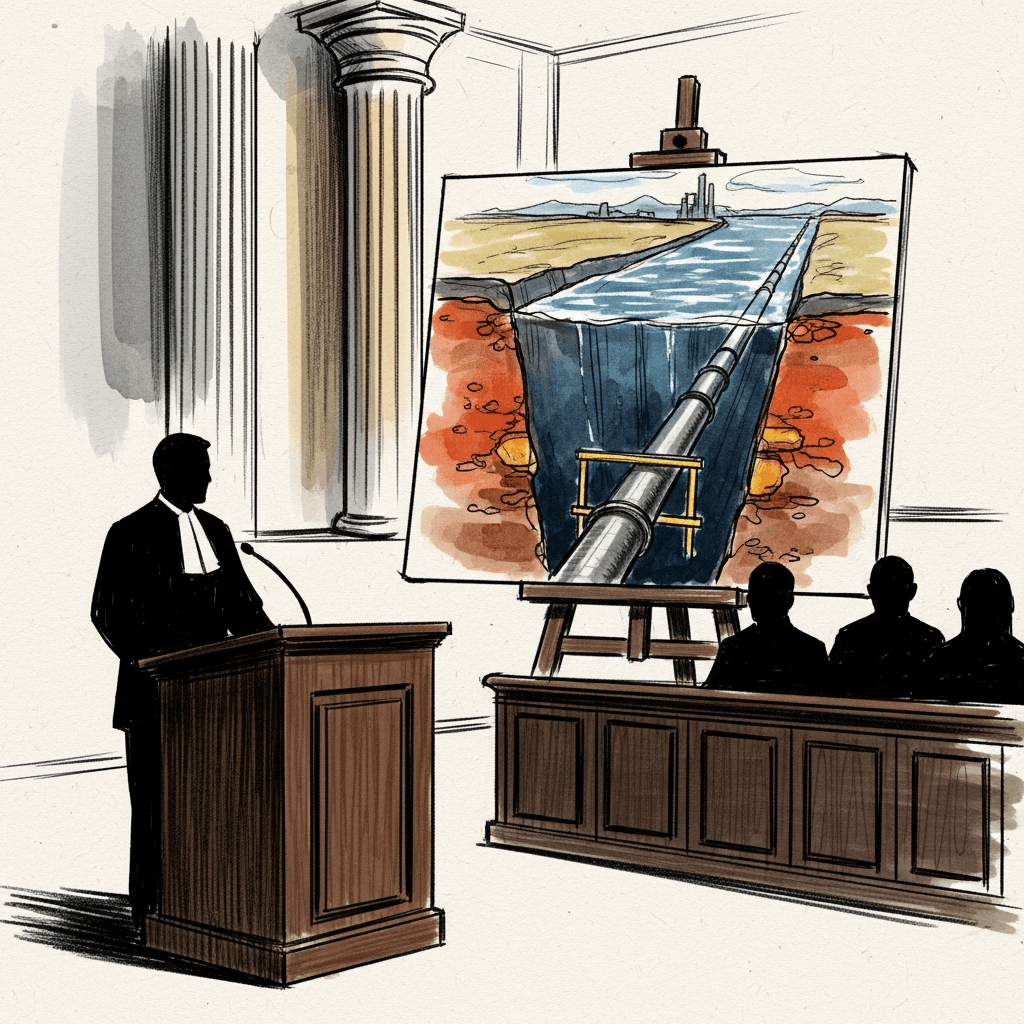
What it's about
The Supreme Court held that federal district courts cannot excuse or equitably toll that deadline, so the case had to remain in Michigan state court.
The decision sets a strict national rule for the deadline to transfer eligible cases from state court to federal court.
Question presented
Do district courts have the authority to excuse the thirty-day procedural time limit for removal in 28 U.S.C. § 1446(b)(1)?
What the Court decided
The vote
What's next
Michigan's lawsuit against Enbridge proceeds in Michigan state court. Lower federal courts must apply the 30-day removal deadline without equitable exceptions.
Docket activity
New analysis added
AI analysis generated: Impact Analysis
AI analysis generated: Opinion Summary
New analysis added
AI analysis generated: Case Briefing
Show 7 moreShow fewer
New analysis added
New analysis added
Opinion added: Opinion of the Court - SS
Audio Recording added: Oral Arguments - Nessel
Argued. For petitioners: John J. Bursch, Caledonia, Mich. For respondent: Ann M. Sherman, Solicitor General, Lansing, Mich.
Brief added: Petition
Brief added: Questions Presented
More questions
- What did the Supreme Court rule in Enbridge Energy v. Nessel?
- The Court said federal district courts cannot forgive or extend the 30-day deadline for moving a case from state court to federal court.
- Who is affected by the Enbridge Energy decision?
- Businesses, states, and other litigants seeking federal court are affected. They must file removal requests within 30 days or remain in state court.
- What happens next in Enbridge Energy v. Nessel?
- Michigan's lawsuit over Line 5 continues in Michigan state court. Federal district courts must enforce the removal deadline without equitable exceptions.
Sources
Primary materials plus reporting. Best-effort analysis: this explainer relies on a mix of primary materials and trusted secondary sources. Official filings and opinions remain authoritative.