Emergency home searches
William Trevor Case v. Montana
In brief
Police may enter a home without a warrant to provide emergency aid when the objective-reasonableness standard is satisfied.
- Where it stands
- Decided
Decided 9-0 · January 14, 2026 · Opinion by Justice Kagan
- What it’s about
- The Court unanimously affirmed the Montana Supreme Court's decision in a 9-0 ruling authored by Justice Kagan. The case addressed state court jurisdiction and procedure.
- Who it affects
- Police and courts must use the objective-reasonableness test when officers enter a home to address an emergency without a warrant. The decision affects residents whose homes are entered and officers responding to suspected emergencies.
Summary: written with AI from the case record.
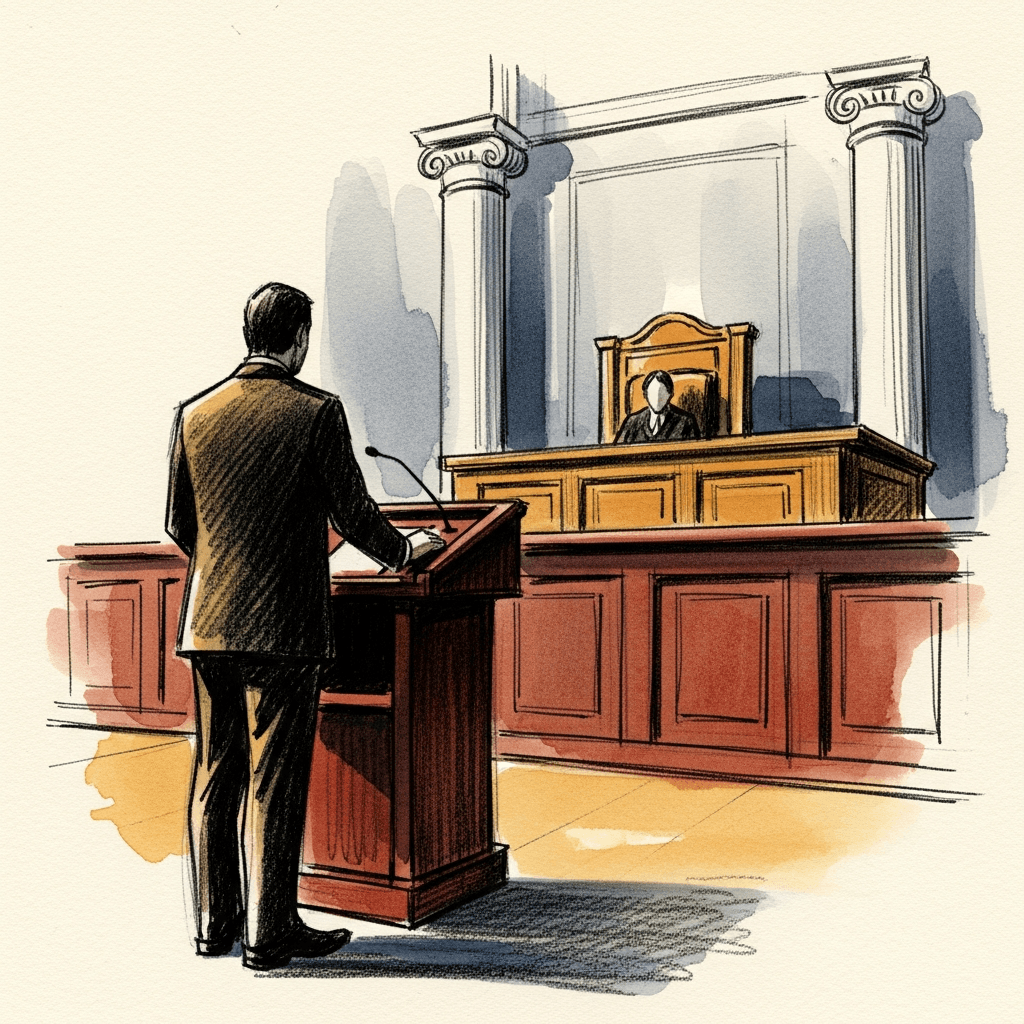
What it's about
The case applies the Court’s earlier emergency-aid rule for warrantless home entries without adding new requirements.
Question presented
May law enforcement enter a home without a search warrant based on less than probable cause that an emergency is occurring?
What the Court decided
The vote
- Joined the judgment
- Concurred in a separate opinion
- Wrote an opinion
- Majority · 8joined the Court's opinion
- Concurring · 1agreed with the result, wrote separately
- Sotomayorwrote separately
From the opinions
““Brigham City’s objective reasonableness standard for warrantless home entries to render emergency aid applies without further gloss and was satisfied in this case.””
What's next
Lower courts and law-enforcement agencies will apply this standard in future emergency-aid entry cases. Montana’s judgment remains in place.
Docket activity
New analysis added
AI analysis generated: Case Briefing
New analysis added
AI analysis generated: Impact Analysis
AI analysis generated: Opinion Summary
Show 7 moreShow fewer
New analysis added
New analysis added
New analysis added
Judgment and Mandate Issued.
Adjudged to be AFFIRMED. Kagan, J., delivered the opinion for a unanimous Court. Sotomayor, J., and Gorsuch, J., filed concurring opinions.
Opinion added: Opinion of the Court - EK
Opinion added: opinion
More questions
- What did the Supreme Court rule in Case v. Montana?
- The Court unanimously affirmed Montana’s decision. It found that the objective-reasonableness standard for an emergency-aid home entry was satisfied.
- Who is affected by the Case v. Montana decision?
- Police officers, residents, and state courts are affected. Officers must assess whether an emergency-aid entry is objectively reasonable without a warrant.
- What happens next after Case v. Montana?
- Montana’s judgment stays in effect. Lower courts and police agencies will use the Court’s standard in future emergency-aid cases.
Sources
Primary materials plus reporting. Best-effort analysis: this explainer relies on a mix of primary materials and trusted secondary sources. Official filings and opinions remain authoritative.