Gun rights for marijuana users
United States v. Ali Danial Hemani
In brief
The federal drug-user gun ban cannot be applied to Hemani based solely on his regular marijuana use and gun possession at home.
- Where it stands
- Decided
Decided 9-0 · June 18, 2026 · Opinion by Justice Gorsuch
- What it’s about
- The Supreme Court held that 18 U.S.C. §922(g)(3), which bars gun possession by anyone who is an unlawful user of or addicted to a controlled substance, violated the Second Amendment as applied to Ali Danial Hemani, who admitted regularly using marijuana and kept a gun in his home.
- Who it affects
- The decision limits using this law against people based only on regular drug use. For example, a marijuana user with a gun at home may need evidence of intoxication, dangerousness, or a similar legal process before being disarmed.
Summary: written with AI from the case record.
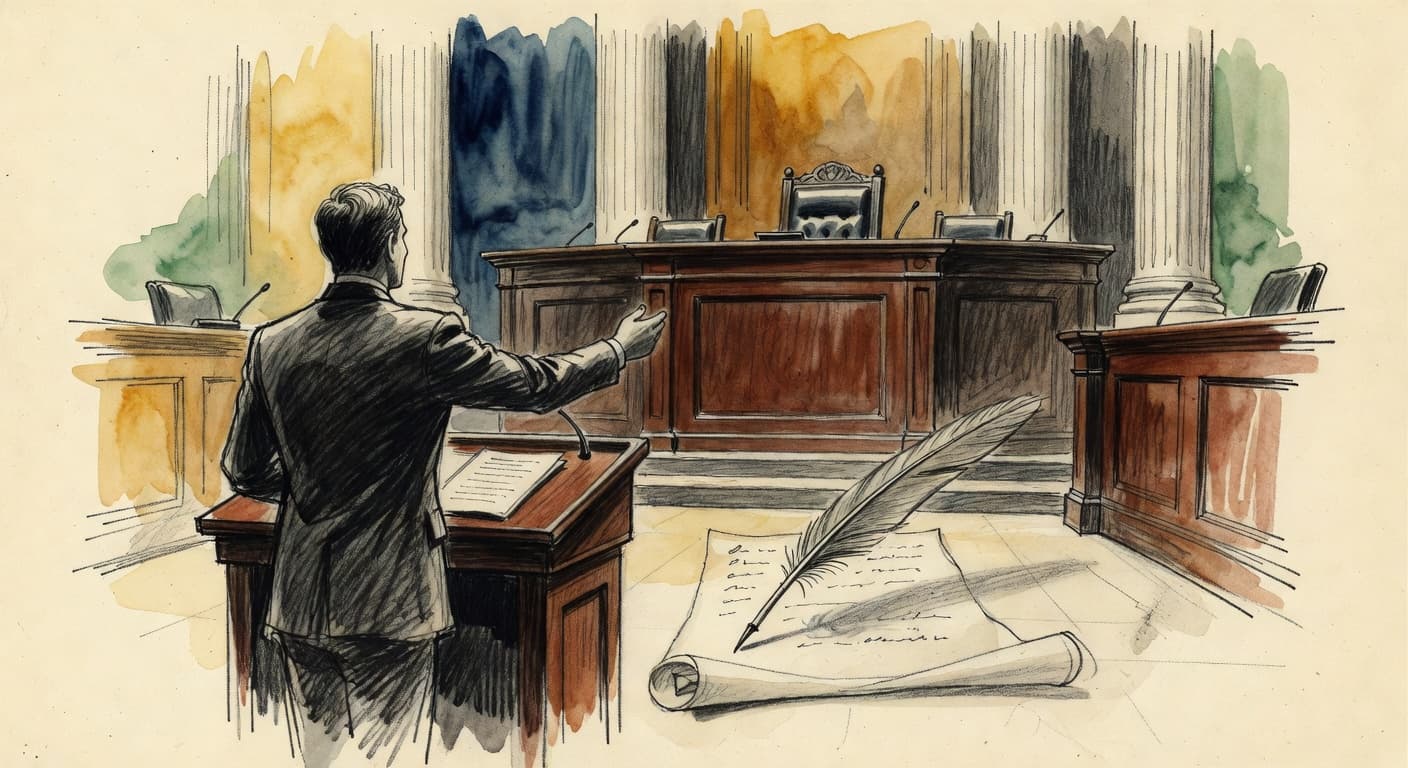
What it's about
The Court concluded the government had not shown a historical tradition of disarming people like Hemani based only on regular drug use, without proof of intoxication, dangerousness, or a similar legal process.
The case applies the Second Amendment to a federal gun restriction and focuses on whether it fits the nation's historical tradition of firearm regulation.
Question presented
Does a federal law that prohibits the possession of firearms by a person who “is an unlawful user of or addicted to any controlled substance” violate the respondent’s Second Amendment right to bear arms?
What the Court decided
The vote
- Joined the judgment
- Concurred in a separate opinion
- Wrote an opinion
What's next
Lower courts must apply the Court's decision in similar cases and assess whether the government can show intoxication, dangerousness, or a comparable legal process. Federal agencies and prosecutors must account for those limits when enforcing this provision.
Docket activity
New analysis added
AI analysis generated: Impact Analysis
AI analysis generated: Opinion Summary
New analysis added
AI analysis generated: Case Briefing
Show 7 moreShow fewer
New analysis added
New analysis added
Opinion added: Opinion of the Court - NG
Status changed from pending to argued
Audio Recording added: Oral Arguments - Hemani
Argued. For petitioner: Sarah M. Harris, Principal Deputy Solicitor General, Department of Justice, Washington, D. C. For respondent: Erin E. Murphy, Alexandria, Va.
Argued. For petitioner: Sarah M. Harris, Principal Deputy Solicitor General, Department of Justice, Washington, D. C. For respondent: Erin E. Murphy, Alexandria, Va.
More questions
- What did the Supreme Court rule in Hemani?
- The Court said the federal drug-user gun ban was unconstitutional as applied to Hemani based solely on regular marijuana use and gun possession at home.
- Who is affected by the Hemani decision?
- People prosecuted under the federal ban for regular drug use and gun possession may be affected. Courts must consider whether additional evidence supports disarmament.
- What happens next after Hemani?
- Lower courts will apply the decision in similar cases. Prosecutors must show more than regular drug use when seeking to enforce this gun restriction.
Sources
Primary materials plus reporting. Best-effort analysis: this explainer relies on a mix of primary materials and trusted secondary sources. Official filings and opinions remain authoritative.