Doe v. Snap
In brief
The Supreme Court declined to hear Doe v. Snap and denied review, leaving the Section 230 question undecided in this case.
- Where it stands
- Decided
Decided · July 2, 2024 · Opinion by Justice Thomas
- What it’s about
- This case involves a dispute over whether social media platforms like Snap can be held liable for their own alleged misconduct despite the liability protections provided by Section 230 of the Communications Decency Act.
- Who it affects
- The order leaves the central Section 230 question unresolved in this case. It did not endorse either side or decide who won.
Summary: written with AI from the case record.
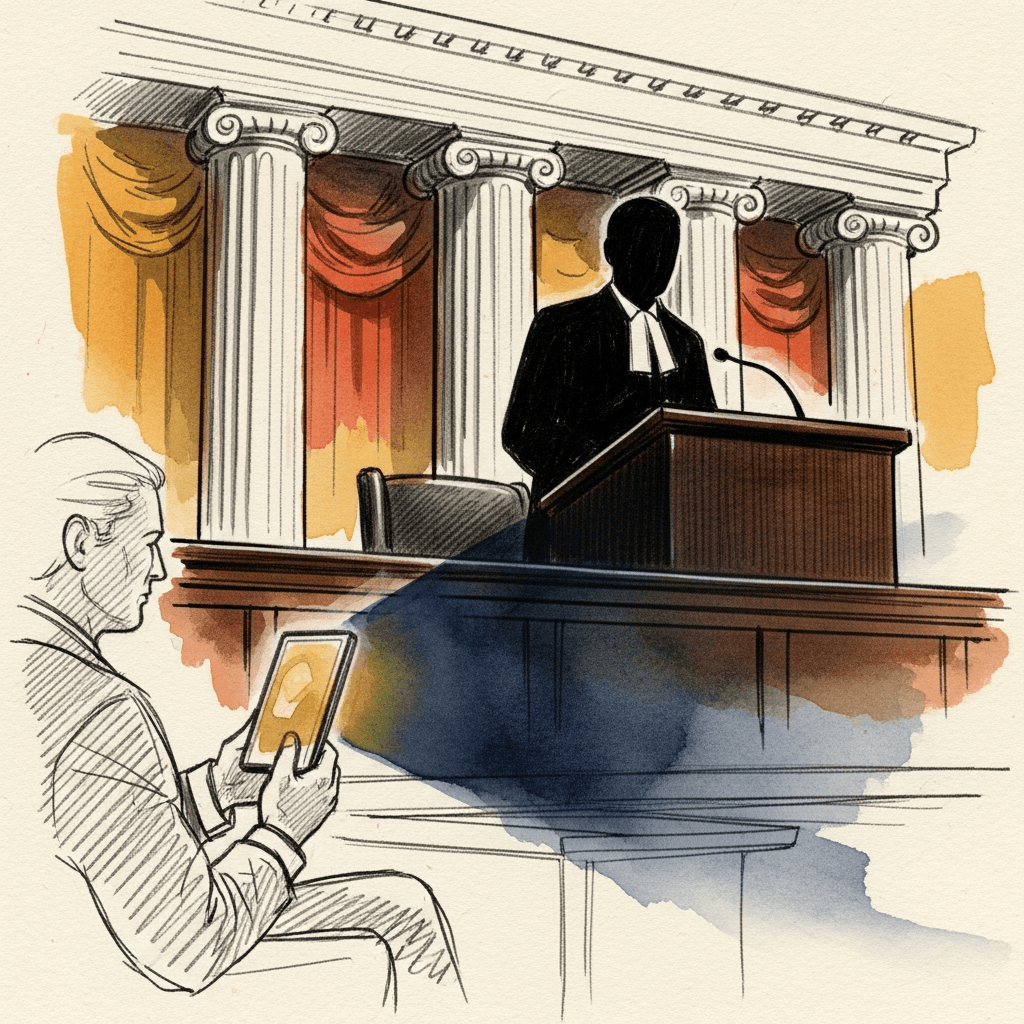
What it's about
The central issue concerns the scope of immunity granted to interactive computer services regarding content provided by third parties versus the platform's own actions.
The case reflects a broader debate over how Section 230 applies to content supplied by users versus a platform's own actions.
Question presented
Whether social media platforms like Snap can be held liable for their own alleged misconduct despite the liability protections provided by Section 230 of the Communications Decency Act.
What the Court decided
Holding
Petition DENIED. Justice Thomas, with whom Justice Gorsuch joins, dissenting from the denial of certiorari. (Detached Opinion )
The vote
- Majority author
- Clarence Thomas
What's next
The Supreme Court has finished this docket action. The record identifies no further Supreme Court step, and the order does not resolve the underlying Section 230 question.
Docket activity
New analysis added
AI analysis generated: Case Briefing
AI analysis generated: Decision Record
Opinion added: Doe
Opinion added: Opinion
Show 1 moreShow fewer
Brief added: Petition
More questions
- What did the Supreme Court do in Doe v. Snap?
- It declined to hear the case and denied review. It did not decide whether Section 230 protects Snap from the alleged misconduct claim.
- What legal question remains unresolved in Doe v. Snap?
- The Court did not decide whether Section 230 protects a platform from claims about its own alleged misconduct rather than user-provided content.
- Did the Court rule for Snap or Doe?
- No. The Court only declined review; it did not endorse either side or decide who should win.
- What happens next after the Supreme Court's denial?
- The Court has finished this docket action. The record identifies no further Supreme Court step.
Sources
Primary materials plus reporting. Best-effort analysis: this explainer relies on a mix of primary materials and trusted secondary sources. Official filings and opinions remain authoritative.