City and County of San Francisco, California v. Environmental Protection Agency
In brief
The EPA cannot use generic permit bans on violating water-quality standards when it has not identified the specific limits a permit holder must meet.
- Where it stands
- Decided
Decided 9-0 · March 4, 2025 · Opinion by Justice Alito
- What it’s about
- The Supreme Court ruled that the Clean Water Act does not authorize the EPA to include generic "end-result" provisions in wastewater discharge permits that hold permittees liable for water quality standards without specifying the concrete limits they must meet.
- Who it affects
- The EPA must spell out concrete permit requirements instead of requiring permit holders to determine how to meet broad water-quality goals. Cities operating sewer systems, including San Francisco, may receive clearer limits for wastewater discharges.
Summary: written with AI from the case record.
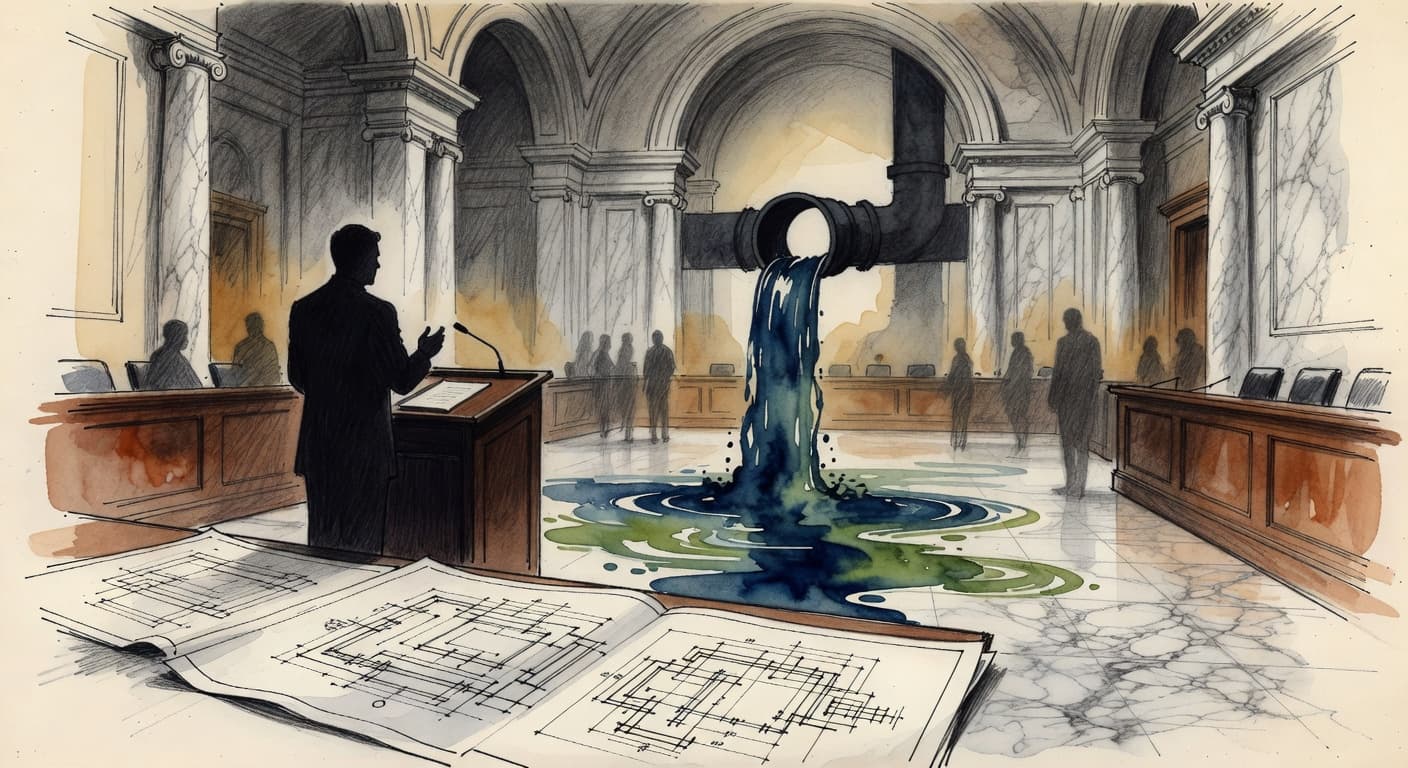
What it's about
The decision reversed a lower court ruling, emphasizing that the EPA must define specific compliance measures rather than forcing permit holders to determine how to achieve broad water quality goals.
The case defines how specifically the EPA must regulate pollution through Clean Water Act discharge permits.
Question presented
Does the Clean Water Act allow the Environmental Protection Agency (or an authorized state) to impose generic prohibitions in National Pollutant Discharge Elimination System permits that subject permit-holders to enforcement for violating water quality standards without identifying specific limits to which their discharges must conform?
What the Court decided
Holding
Section 1311(b)(1)(C) does not authorize the EPA to include “endresult” provisions in NPDES permits. Determining what steps a permittee must take to ensure that water quality standards are met is the EPA’s responsibility, and Congress has given it the tools needed to make that determination. 75 F. 4th 1074, reversed and remanded.
- Result
- Reversed
The vote
From the opinions
“Determining what steps a permittee must take to ensure that water quality standards are met is the EPA’s responsibility.”
“Conditions that forbid the city to violate water quality standards are plainly “limitations” on the city’s license to discharge.”
What's next
The case returns to the lower courts after the reversal and remand. The EPA and affected permit holders must apply the Court's rule when permits are reviewed or written.
Documents
Docket activity
New analysis added
AI analysis generated: Case Briefing
New analysis added
AI analysis generated: Impact Analysis
AI analysis generated: Opinion Summary
Show 7 moreShow fewer
AI analysis generated: Decision Record
Status changed from unknown to unknown
Status changed from unknown to unknown
Opinion added: opinion
Opinion added: Opinion
Audio Recording added: Oral Arguments - San Francisco v. EPA
Status changed from unknown to unknown
More questions
- What did the Supreme Court rule in San Francisco v. EPA?
- The Court said the Clean Water Act does not authorize generic permit provisions requiring compliance with water-quality standards without specific limits.
- Who won San Francisco v. EPA?
- San Francisco won. The Court reversed the Ninth Circuit's decision.
- What does San Francisco v. EPA mean for wastewater permit holders?
- They may receive more specific permit requirements. EPA must determine the steps needed to meet water-quality standards rather than leave that task to permit holders.
- Is the EPA's use of generic water-quality permit bans still lawful after San Francisco v. EPA?
- No. The Court said Section 1311(b)(1)(C) does not authorize these “end-result” provisions in discharge permits.
- What happens next in San Francisco v. EPA?
- The case returns to the lower courts. Agencies and permit holders must follow the Court's requirement for concrete permit limits.
Sources
Primary materials plus reporting. Best-effort analysis: this explainer relies on a mix of primary materials and trusted secondary sources. Official filings and opinions remain authoritative.