Lackey v. Stinnie
In brief
A preliminary injunction alone is not enough to make a plaintiff eligible for attorney’s fees under Section 1988 when the case ends without a final merits decision.
- Where it stands
- Decided
Decided 7-2 · February 25, 2025 · Opinion by Chief Justice Roberts
- What it’s about
- The Supreme Court considered whether plaintiffs who obtain a preliminary injunction but whose case becomes moot before a final judgment are eligible for attorney's fees as "prevailing parties" under federal civil rights law.
- Who it affects
- People who temporarily block a state policy but do not receive a final merits decision generally cannot recover attorney’s fees under Section 1988. That affects civil rights plaintiffs and government agencies defending temporary court orders.
Summary: written with AI from the case record.
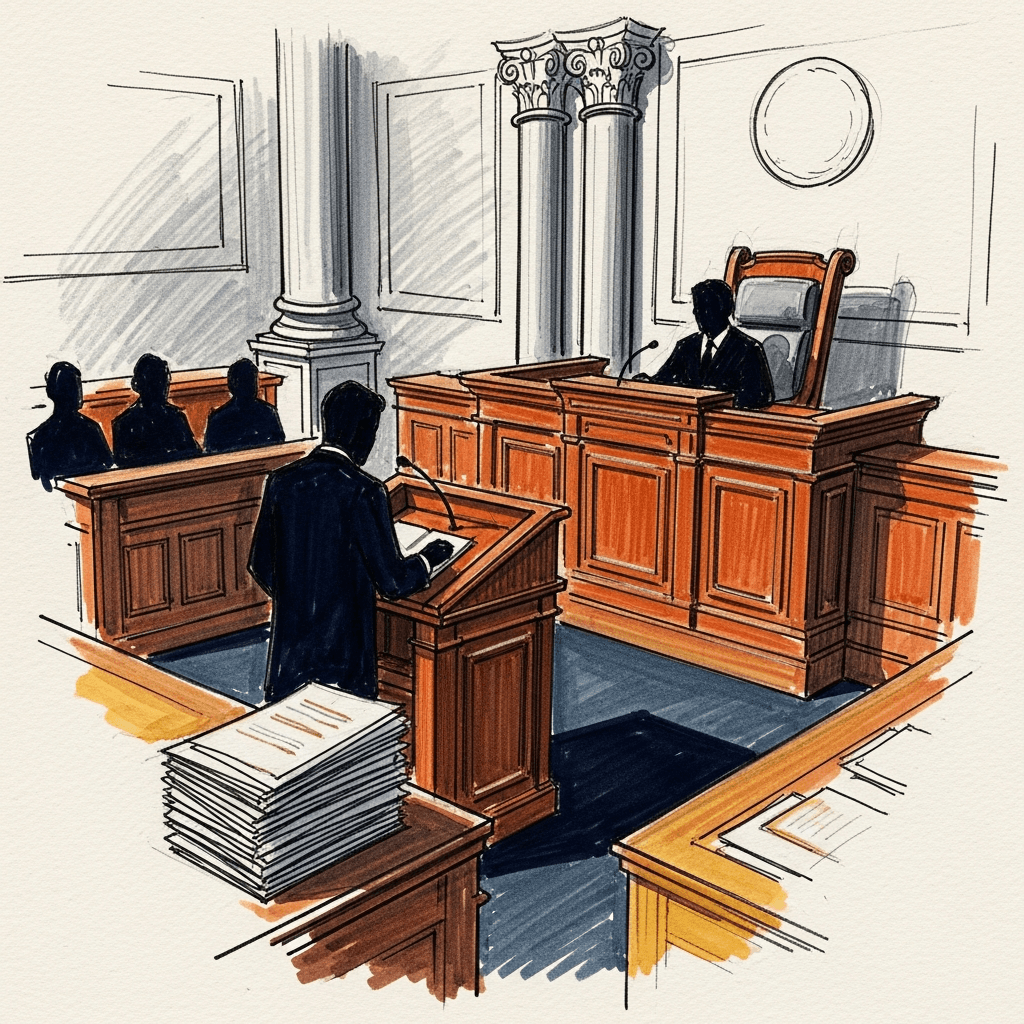
What it's about
The Court ruled that a preliminary injunction alone does not confer prevailing party status because it is a temporary measure rather than a conclusive resolution of the claims on the merits.
The decision limits when temporary court relief can make a civil rights plaintiff a "prevailing party" entitled to fees.
Question presented
Is a party who obtains a preliminary injunction a “prevailing party” for purposes of being entitled to attorney’s fees under 42 U.S.C § 1988?
What the Court decided
Holding
The plaintiff drivers here—who gained only preliminary injunctive relief before this action became moot—do not qualify as “prevailing part[ies]” eligible for attorney’s fees under §1988(b) because no court conclusively resolved their claims by granting enduring judicial relief on the merits that materially altered the legal relationship between the parties. 77 F. 4th 200, reversed and remanded.
- Result
- Reversed
The vote
From the opinions
“The drivers did not qualify because no court conclusively resolved their claims by granting enduring judicial relief on the merits that materially altered the parties’ legal relationship.”
What's next
The case returns to the lower courts, which must apply the Supreme Court’s rule in resolving the drivers’ fee request. Courts and agencies will treat temporary injunctions alone as insufficient for Section 1988 fees in cases that become moot.
Documents
Docket activity
New analysis added
AI analysis generated: Impact Analysis
AI analysis generated: Opinion Summary
AI analysis generated: Decision Record
New analysis added
Show 7 moreShow fewer
AI analysis generated: Case Briefing
Status changed from unknown to unknown
Status changed from unknown to unknown
Opinion added: opinion
Opinion added: Lackey
Audio Recording added: Oral Arguments - Lackey
Status changed from unknown to unknown
More questions
- What did the Supreme Court rule in Lackey v. Stinnie?
- The Court said a preliminary injunction alone does not make plaintiffs eligible for attorney’s fees when the case becomes moot before a final merits decision.
- Who is affected by the Lackey v. Stinnie decision?
- Civil rights plaintiffs who win temporary injunctions, and government agencies defending them, are affected. Fees generally require enduring court relief that conclusively resolves the merits.
- What happens next in Lackey v. Stinnie?
- The case returns to the lower courts. They must apply the Supreme Court’s rule when addressing the drivers’ request for attorney’s fees.
Sources
Primary materials plus reporting. Best-effort analysis: this explainer relies on a mix of primary materials and trusted secondary sources. Official filings and opinions remain authoritative.