Medical Marijuana v. Horn
In brief
A personal injury does not bar a civil RICO plaintiff from seeking triple damages for related economic losses to business or property.
- Where it stands
- Decided
Decided 5-4 · April 2, 2025 · Opinion by Justice Barrett
- What it’s about
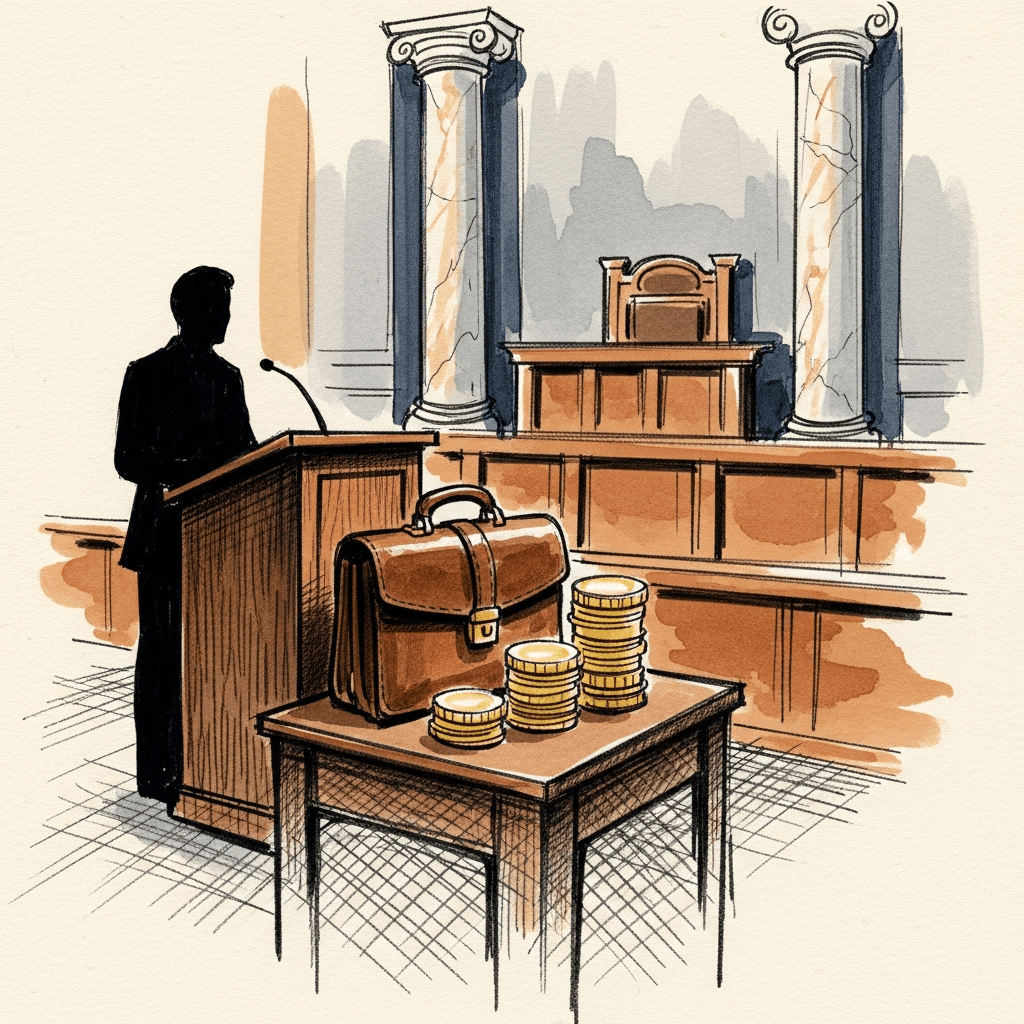
- The Supreme Court held that a plaintiff can sue for triple damages under the civil Racketeer Influenced and Corrupt Organizations Act (RICO) for economic losses to their business or property, even if those financial losses were caused by a personal injury.
- Who it affects
- People who lose income or business-related property because of racketeering may seek triple damages, even if the financial loss followed a personal injury. That includes a worker who loses a job after using a falsely labeled product.
Summary: written with AI from the case record.
What it's about
The decision arose from a case where a truck driver lost his job after failing a drug test due to a CBD product that falsely claimed to contain no THC.
The decision interprets RICO's private lawsuit provision broadly for economic losses connected to racketeering.
Question presented
Are economic harms resulting from personal injuries properly considered injuries to “business or property by reason of” the defendant’s acts for purposes of a civil treble-damages action under the Racketeer Influenced and Corrupt Organizations Act?
What the Court decided
Holding
Under civil RICO, §1964(c), a plaintiff may seek treble damages for business or property loss even if the loss resulted from a personal injury. 80 F. 4th 130, affirmed and remanded.
- Result
- Affirmed
The vote
- Joined the judgment
- Concurred in a separate opinion
- Dissented
- Wrote an opinion
- Concurring · 1agreed with the result, wrote separately
- Jacksonwrote separately
From the opinions
“a plaintiff may seek treble damages for business or property loss even if the loss resulted from a personal injury.”
“I would dismiss the writ of certiorari as improvidently granted.”
What's next
The case returns to the lower courts for further proceedings under the Supreme Court's rule. Lower courts must allow civil RICO claims for qualifying business or property losses even when those losses stem from a personal injury.
Documents
Docket activity
New analysis added
AI analysis generated: Impact Analysis
AI analysis generated: Opinion Summary
New analysis added
AI analysis generated: Case Briefing
Show 7 moreShow fewer
AI analysis generated: Decision Record
Status changed from unknown to unknown
Status changed from unknown to unknown
Opinion added: opinion
Opinion added: Horn
Audio Recording added: Oral Arguments - Horn
Status changed from unknown to unknown
More questions
- What did the Supreme Court rule in Medical Marijuana, Inc. v. Horn?
- The Court said civil RICO allows claims for business or property losses caused by racketeering, even when the losses resulted from a personal injury.
- Who won Medical Marijuana, Inc. v. Horn?
- Douglas Horn won. The Court affirmed the Second Circuit's decision in his favor and remanded the case.
- What does Medical Marijuana, Inc. v. Horn mean for workers?
- Workers who suffer qualifying economic losses, such as lost employment, may seek civil RICO's triple damages when those losses followed a personal injury.
- What happens next in Medical Marijuana, Inc. v. Horn?
- The lower courts will continue the case under the Supreme Court's interpretation of civil RICO. The decision has already been released.
Sources
Primary materials plus reporting. Best-effort analysis: this explainer relies on a mix of primary materials and trusted secondary sources. Official filings and opinions remain authoritative.