Missouri Department of Corrections v. Finney
In brief
The Supreme Court declined review by denying the petition (refusing the request to hear the case), so it did not decide whether the jury strikes violated the Fourteenth Amendment or Batson.
- Where it stands
- Decided
Decided · February 20, 2024 · Opinion by Justice Alito
- What it’s about
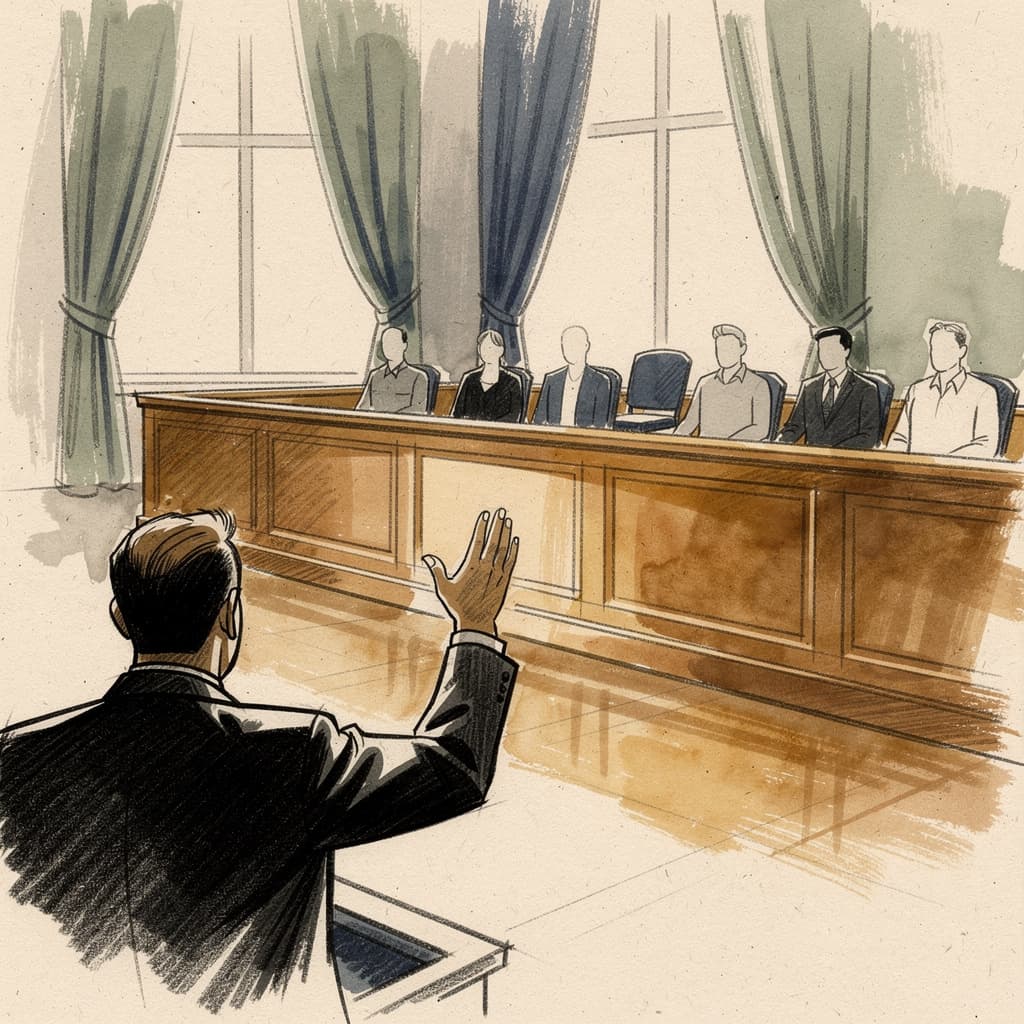
- This case involves a dispute over whether the Missouri Department of Corrections improperly struck potential jurors based on religious stereotypes, specifically regarding their beliefs about homosexuality.
- Who it affects
- This case has no Supreme Court ruling on whether those jury strikes were lawful under the Constitution and Batson. The denial did not endorse either side's arguments or change the law applied by the lower court.
Summary: written with AI from the case record.
What it's about
The petitioner asked the Supreme Court to determine if such actions violate the Fourteenth Amendment and the standards set in Batson v. Kentucky.
This case involved the Constitution's limits on jury selection, but the Court's decision to decline review left the specific question unaddressed here.
Question presented
Whether striking potential jurors based on religious stereotypes, specifically regarding their beliefs about homosexuality, violates the Fourteenth Amendment and the standards set in Batson v. Kentucky.
What the Court decided
Holding
Petition DENIED. Statement of Justice Alito respecting the denial of certiorari. (Detached Opinion )
The vote
- Majority author
- Samuel Alito
What's next
The Supreme Court's docket action is complete. No further step in this Court is identified, and this case has no Supreme Court ruling on the legal question.
Documents
Docket activity
New analysis added
AI analysis generated: Case Briefing
AI analysis generated: Decision Record
Opinion added: Finney
Opinion added: Opinion
Show 2 moreShow fewer
Brief added: Petition
Court Order added: Lower Court Orders/Opinions
More questions
- What was Missouri Department of Corrections v. Finney about?
- It asked whether religious stereotypes about potential jurors’ views on homosexuality violated the Fourteenth Amendment and the jury-selection standards from Batson v. Kentucky.
- Did the Supreme Court decide the legal question?
- No. It declined review by denying the petition, so it did not decide whether the strikes violated the Fourteenth Amendment or Batson.
- What remains unresolved after the denial?
- Whether the alleged religiously based strikes violated the Fourteenth Amendment and Batson remains undecided in this Supreme Court case.
- Did the denial favor Missouri or Finney?
- No. The Court declined review without deciding the main legal question, so the denial was not a ruling for either side.
- What happens next in Finney?
- The Supreme Court has finished this docket action, and no further step in that Court is identified.
Sources
Primary materials plus reporting. Best-effort analysis: this explainer relies on a mix of primary materials and trusted secondary sources. Official filings and opinions remain authoritative.