Roberts v. McDonald
In brief
The Supreme Court refused to hear Roberts v. McDonald, so it did not decide whether race or ethnicity may guide medical-treatment priority.
- Where it stands
- Decided
Decided · June 30, 2023 · Opinion by Justice Alito
- What it’s about
- This case asks whether the government can use a patient's race or ethnicity to determine their health risk and prioritize their medical treatment. It examines if this practice violates the Equal Protection Clause.
- Who it affects
- The Supreme Court did not answer whether this practice violates the Equal Protection Clause. Its refusal to hear the case was not a ruling for either side.
Summary: written with AI from the case record.
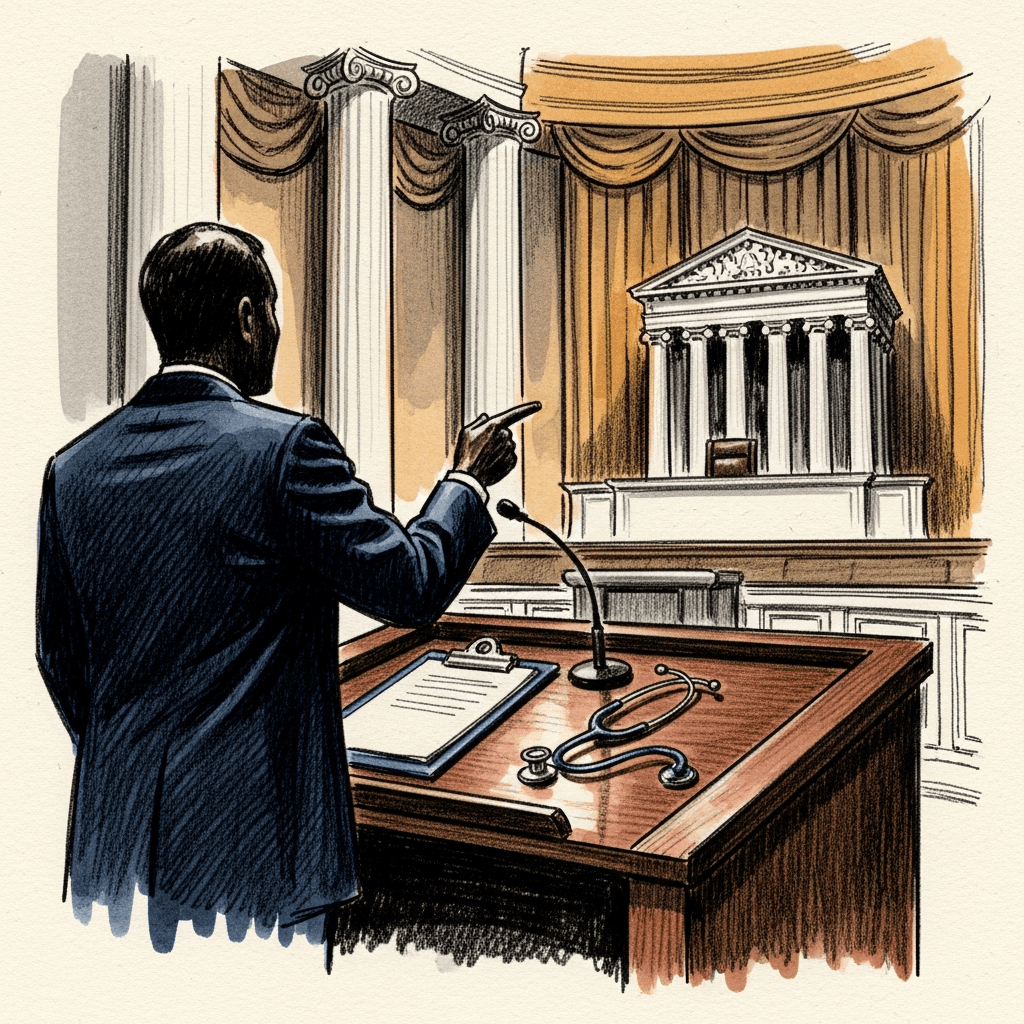
What it's about
The dispute focuses on how equal-treatment rules apply when government decisions about health care use race or ethnicity.
Question presented
Whether the government can use a patient's race or ethnicity to determine their health risk and prioritize their medical treatment, and if this practice violates the Equal Protection Clause.
What the Court decided
Holding
Petition DENIED. Statement of Justice Alito, with whom Justice Thomas joins, respecting the denial of certiorari. (Detached Opinion )
The vote
- Majority author
- Samuel Alito
What's next
The Supreme Court's action on this petition is finished. The record identifies no further Supreme Court step or ruling on the main legal question.
Docket activity
New analysis added
AI analysis generated: Case Briefing
AI analysis generated: Decision Record
Opinion added: Roberts
Opinion added: Opinion
Show 1 moreShow fewer
Brief added: Petition
More questions
- What did the Supreme Court do in Roberts v. McDonald?
- It refused to hear the case, denying (turning down) the petition for Supreme Court review. It did not decide the Equal Protection question.
- Did the Court decide whether race or ethnicity may guide treatment priority?
- No. The Court did not decide whether that practice violates the Equal Protection Clause.
- What remains unresolved in Roberts v. McDonald?
- Whether the government may use a patient's race or ethnicity to assess health risk and prioritize treatment remains unresolved in this docket.
- What happens next in Roberts v. McDonald after the petition was denied?
- This Supreme Court docket action is finished. The record identifies no further Supreme Court step.
Sources
Primary materials plus reporting. Best-effort analysis: this explainer relies on a mix of primary materials and trusted secondary sources. Official filings and opinions remain authoritative.