Burns v. Mays
In brief
The Supreme Court refused to hear Burns's petition, so it did not decide whether his lawyers adequately presented evidence that he was less morally responsible.
- Where it stands
- Decided
Decided · April 24, 2023 · Opinion by Justice Sotomayor
- What it’s about
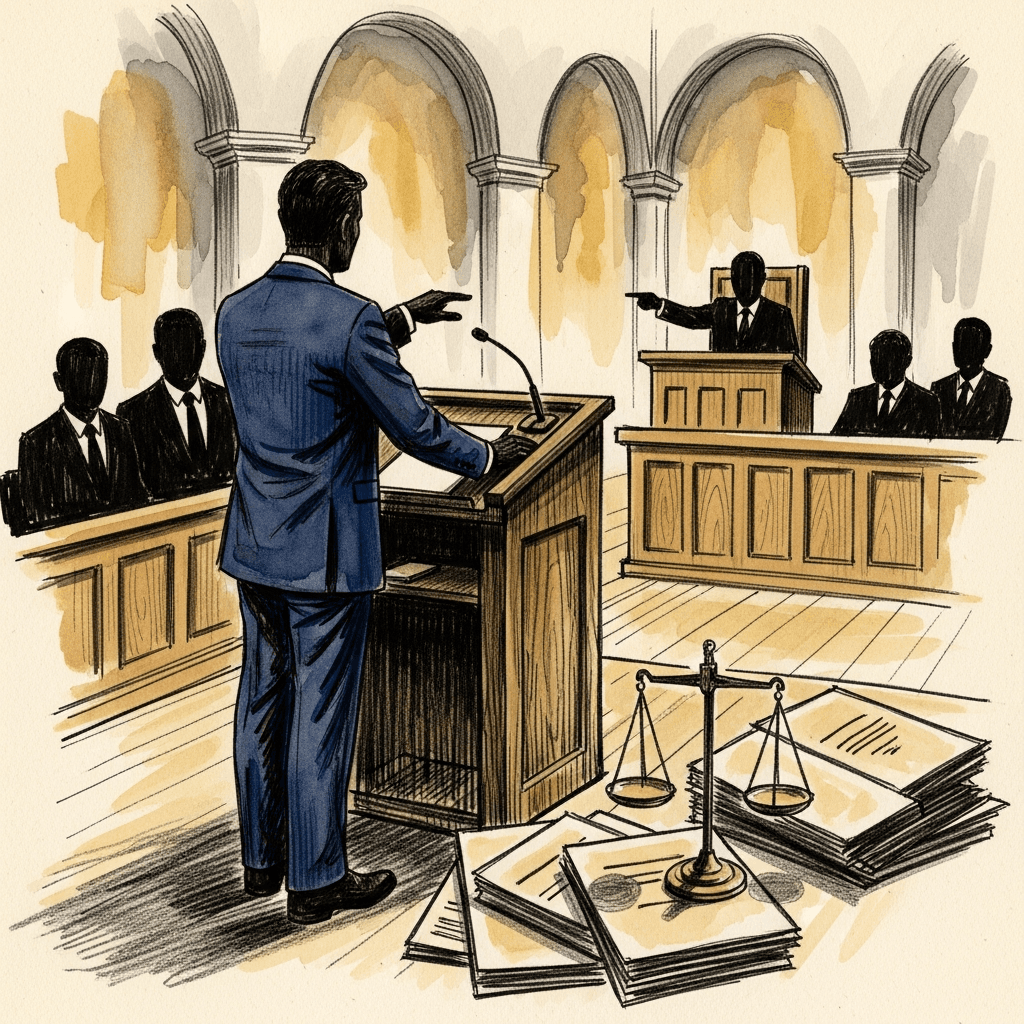
- This capital case involved a claim of ineffective assistance of counsel during the sentencing phase, specifically regarding whether attorneys failed to adequately present evidence of the defendant's lesser moral culpability.
- Who it affects
- The Court's refusal to hear the case did not decide whether Burns's lawyers adequately presented evidence that he was less morally responsible. It did not endorse either side's arguments or create a Supreme Court rule on that issue.
Summary: written with AI from the case record.
What it's about
The Supreme Court ultimately denied the petition, finding that the defendant could not demonstrate that his counsel's performance was deficient.
This order shows that refusing Supreme Court review is different from deciding the underlying legal question.
Question presented
Whether attorneys failed to adequately present evidence of the defendant's lesser moral culpability.
What the Court decided
Holding
Petition DENIED. Justice Sotomayor, with whom Justice Kagan and Justice Jackson join, dissenting from the denial of certiorari. (Detached Opinion )
The vote
- Majority author
- Sonia Sotomayor
What's next
The Supreme Court has finished this docket action and refused to hear the case. The record identifies no further Supreme Court step, and the underlying legal question remains undecided here.
Documents
Docket activity
New analysis added
AI analysis generated: Case Briefing
AI analysis generated: Decision Record
Opinion added: Burns
Opinion added: Opinion
Show 2 moreShow fewer
Brief added: Petition
Court Order added: Lower Court Orders/Opinions
More questions
- What issue did Burns raise in his petition?
- Burns argued that his lawyers failed to present enough evidence showing he was less morally responsible during death-penalty sentencing.
- What did the Supreme Court do in Burns v. Mays?
- It denied the petition, meaning it refused to hear the case, and did not decide the legal question.
- Did the Court decide whether Burns's lawyers were ineffective?
- No. The Court declined review and did not decide whether the lawyers gave legally inadequate help during sentencing.
- Who opposed refusing review?
- Justice Sotomayor opposed the denial, and Justices Kagan and Jackson agreed with her. The record provides no vote count.
- What happens next in Burns v. Mays?
- The Supreme Court's action on this petition is finished. The record identifies no further Supreme Court step.
Sources
Primary materials plus reporting. Best-effort analysis: this explainer relies on a mix of primary materials and trusted secondary sources. Official filings and opinions remain authoritative.