Davis v. United States
In brief
The Supreme Court declined to hear Davis's case (denied review), leaving the Eleventh Circuit's ruling in place without deciding whether an actual plea offer was required.
- Where it stands
- Decided
Decided · February 21, 2023 · Opinion by Justice Jackson
- What it’s about
- The Court denied Quartavious Davis’s petition for review, leaving the Eleventh Circuit’s ruling in place.
- Who it affects
- The Eleventh Circuit's ruling remains in place. The Supreme Court did not answer the plea-offer question in this case or endorse either side's position.
Summary: written with AI from the case record.
What it's about
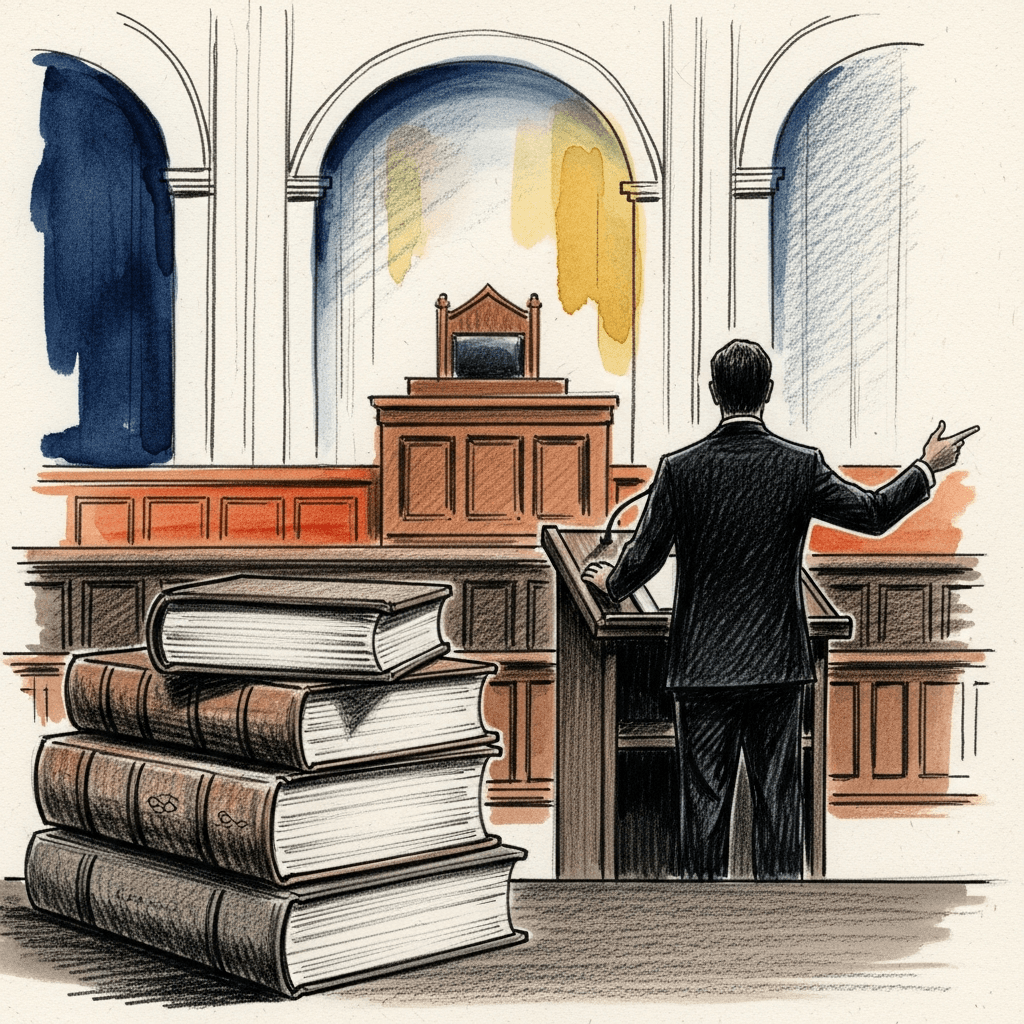
The case concerned whether a defendant claiming ineffective assistance of counsel for failure to pursue plea negotiations must show that prosecutors had made an actual plea offer.
The Supreme Court can decline to hear a case without deciding its underlying legal question, leaving the lower court's ruling in place.
Question presented
Whether a defendant must allege (and then ultimately show) that an actual plea offer was made.
What the Court decided
Holding
Petition DENIED. Justice Jackson, with whom Justice Sotomayor joins, dissenting from the denial of certiorari. (Detached Opinion )
The vote
- Majority author
- Ketanji Brown Jackson
What's next
This Supreme Court docket action is finished. The Eleventh Circuit's ruling remains in place, and this docket contains no Supreme Court decision on the plea-offer question.
Docket activity
New analysis added
AI analysis generated: Case Briefing
AI analysis generated: Decision Record
New analysis added
Case data updated: summary, question_presented, generation_metadata
Show 3 moreShow fewer
Opinion added: Davis
Opinion added: Opinion
Brief added: Petition
More questions
- What question did Davis ask the Supreme Court?
- He asked whether a defendant claiming a lawyer failed to pursue plea talks must show that prosecutors made an actual plea offer.
- What did the Supreme Court do in Davis v. United States?
- It declined to hear the case and denied review. The order did not decide the plea-offer question.
- What remains unresolved in Davis v. United States?
- The order did not decide whether a defendant must allege (claim) and ultimately show (prove) that prosecutors made an actual plea offer. The Supreme Court left that question unanswered in this docket.
- What happens next in Davis v. United States?
- The Supreme Court's docket action is finished. The Eleventh Circuit's ruling remains in place, with no Supreme Court decision on the plea-offer question.
Sources
Primary materials plus reporting. Best-effort analysis: this explainer relies on a mix of primary materials and trusted secondary sources. Official filings and opinions remain authoritative.