Toth v. United States
In brief
The Supreme Court refused to hear the case and denied review, so it did not decide whether IRS civil penalties are subject to the Constitution's protection against excessive fines.
- Where it stands
- Decided
Decided · January 23, 2023 · Opinion by Justice Gorsuch
- What it’s about
- This case involves whether civil penalties imposed by the IRS are subject to the Constitution's protection against excessive fines. The lower court ruled that the excessive fines clause did not apply to Ms.
- Who it affects
- The Court's refusal left the First Circuit's ruling in place for Toth, but it did not endorse the lower court's reasoning or create a Supreme Court rule.
Summary: written with AI from the case record.
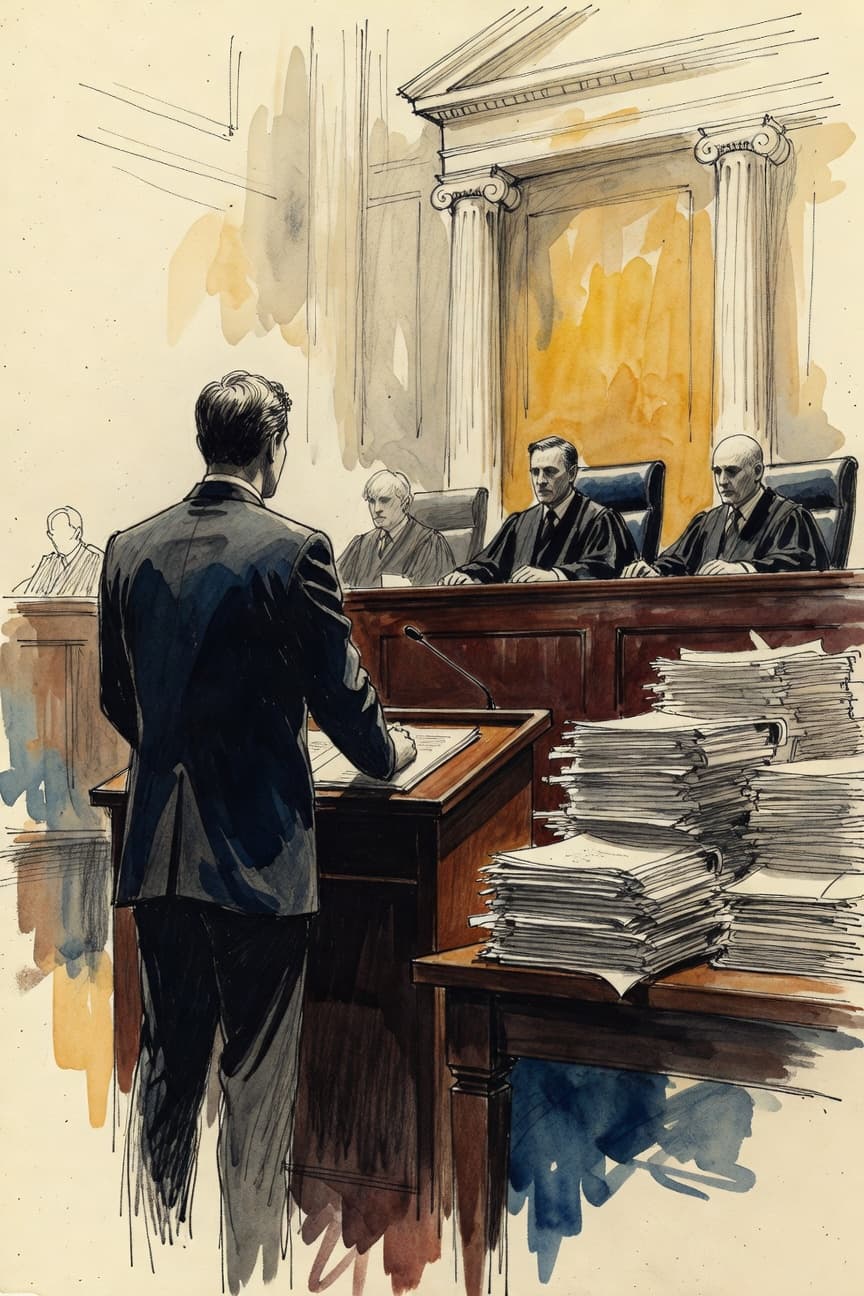
What it's about
Toth because the penalty was considered remedial rather than a criminal punishment.
The case raised a broader question about when a civil government penalty can still count as punishment under the Constitution's ban on excessive fines.
Question presented
Whether civil penalties imposed by the IRS are subject to the Constitution's protection against excessive fines.
What the Court decided
Holding
Petition DENIED. Justice Gorsuch, dissenting from the denial of certiorari. (Detached Opinion )
The vote
- Majority author
- Neil Gorsuch
What's next
The Supreme Court's action is finished. The First Circuit's ruling remains in place for Toth, but this order provides no Supreme Court answer to the constitutional question.
Why it matters
This order did not resolve whether IRS civil penalties receive the Constitution's protection against excessive fines.
Documents
Docket activity
New analysis added
AI analysis generated: Case Briefing
AI analysis generated: Decision Record
Opinion added: Toth
Opinion added: Opinion
Show 2 moreShow fewer
Brief added: Petition
Court Order added: Lower Court Orders/Opinions
More questions
- What question did Toth v. United States present?
- It asked whether civil penalties imposed by the IRS are subject to the Constitution's protection against excessive fines.
- What did the Supreme Court do in Toth?
- It refused to hear the case and denied review, so it did not decide that constitutional question.
- Is the excessive-fines question resolved?
- No. This docket action did not decide whether IRS civil penalties receive the Constitution's protection against excessive fines.
- Who disagreed with refusing to hear Toth?
- Justice Gorsuch disagreed with the Court's refusal to hear the case.
- What happens next for Toth?
- The Supreme Court's action is finished. The First Circuit's ruling remains in place for Toth, without a Supreme Court ruling on the constitutional question.
Sources
Primary materials plus reporting. Best-effort analysis: this explainer relies on a mix of primary materials and trusted secondary sources. Official filings and opinions remain authoritative.