Bartenwerfer v. Buckley
In brief
The Supreme Court upheld the lower court's ruling: Bartenwerfer could not wipe out a debt obtained through her partner's fraud, even without knowing about it.
- Where it stands
- Decided
Decided 9-0 · February 22, 2023 · Opinion by Justice Barrett
- What it’s about
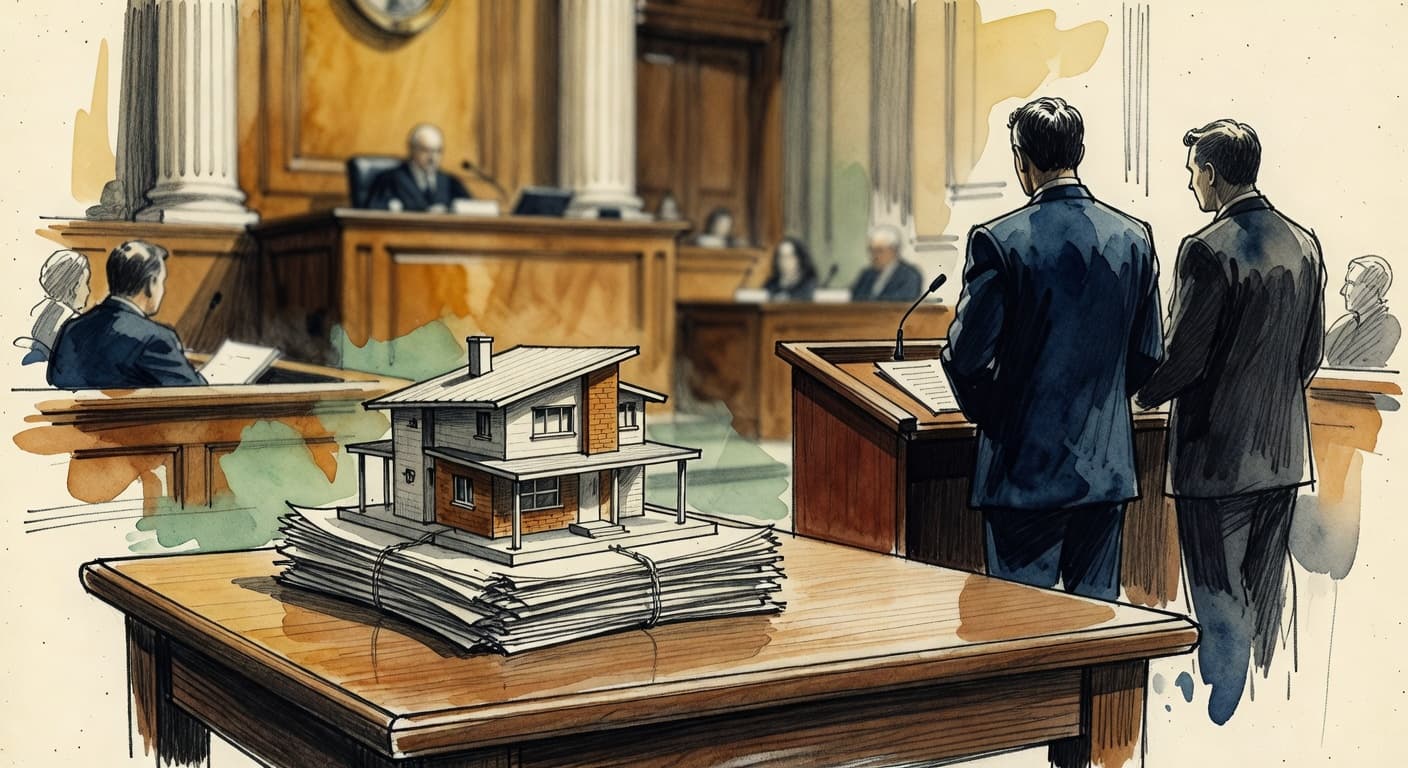
- Kate Bartenwerfer and her husband sold a house with defects, leading to a fraud judgment against them before they filed for bankruptcy.
- Who it affects
- Section 523(a)(2)(A) can block a debtor from wiping out a partner's fraud-related debt, even when the debtor did not know about the fraud. Bartenwerfer's debt therefore remains after bankruptcy.
Summary: written with AI from the case record.
What it's about
The Supreme Court ruled that a debtor cannot discharge a debt obtained by a partner's fraud in bankruptcy, even if the debtor was completely unaware of the fraudulent acts.
The case clarified how bankruptcy's debt-relief rules apply when one person's fraud creates a debt for another person.
Question presented
Whether a debtor may be held liable for another’s fraud under 11 U.S.C. § 523(a)(2)(A) and thus barred from discharging the resulting debt in bankruptcy, even if the debtor had no knowledge of the fraud.
What the Court decided
Holding
Section 523(a)(2)(A) precludes Kate Bartenwerfer from discharging in bankruptcy a debt obtained by fraud, regardless of her own culpability. 544, affirmed.
- Result
- Affirmed
The vote
- Joined the judgment
- Concurred in a separate opinion
- Wrote an opinion
- Majority · 8joined the Court's opinion
- Concurring · 1agreed with the result, wrote separately
- Sotomayorwrote separately
What's next
The lower court's result remains in place, so Bartenwerfer cannot wipe out the debt through bankruptcy. Lower courts will use this ruling in similar disputes over fraud-related debts.
Documents
Docket activity
New analysis added
AI analysis generated: Case Briefing
New analysis added
AI analysis generated: Impact Analysis
AI analysis generated: Opinion Summary
Show 5 moreShow fewer
AI analysis generated: Decision Record
Opinion added: Bartenwerfer
Opinion added: opinion
Brief added: Petition
Brief added: Questions Presented
More questions
- What was the dispute in Bartenwerfer v. Buckley?
- Bartenwerfer and her husband faced a fraud judgment after selling a house with defects, then filed for bankruptcy.
- What did the Supreme Court decide?
- It upheld the ruling that Bartenwerfer could not wipe out the fraud-related debt, even though she did not know about her partner's fraud.
- How did the justices vote?
- The Court ruled 9-0. Justice Barrett wrote the opinion, while Justice Sotomayor wrote a concurrence that Justice Jackson signed on to.
- What happens to Bartenwerfer's debt now?
- The debt remains after her bankruptcy, so she cannot wipe it out through bankruptcy. Lower courts will use the ruling in similar disputes.
Sources
Primary materials plus reporting. Best-effort analysis: this explainer relies on a mix of primary materials and trusted secondary sources. Official filings and opinions remain authoritative.