Cruz v. Arizona
In brief
Arizona could not use its unexpected interpretation of its post-conviction rule to prevent review of Cruz's federal claim.
- Where it stands
- Decided
Decided 5-4 · February 22, 2023 · Opinion by Justice Sotomayor
- What it’s about
- John Montenegro Cruz, who was sentenced to death, sought post-conviction relief arguing a significant change in the law.
- Who it affects
- The decision prevents Cruz's federal claim from being blocked by that Arizona procedural ruling. It also means other people seeking review of federal constitutional claims may challenge state procedural barriers that are applied in unforeseeable ways.
Summary: written with AI from the case record.
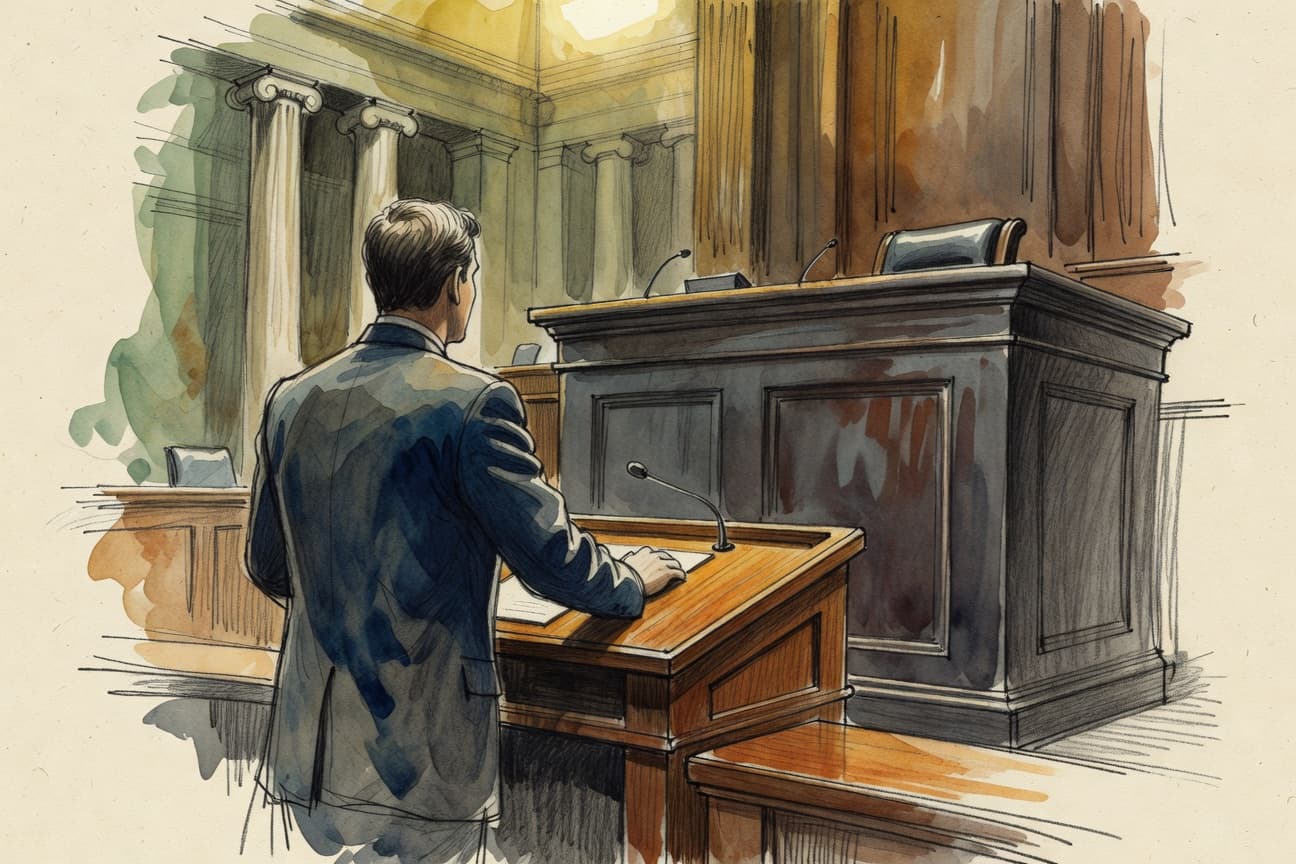
What it's about
The Supreme Court ruled that the Arizona Supreme Court's procedural denial of his claim was not an adequate and independent state-law ground, allowing federal courts to review his case.
State procedural rules can usually limit federal review, but they must be established and foreseeable enough to serve as a fair barrier.
Question presented
Whether the Arizona Supreme Court’s holding that Arizona Rule of Criminal Procedure 32.1(g) precluded post-conviction relief is an adequate and independent state-law ground for the judgment.
What the Court decided
The vote
From the opinions
“This was an "exceptional case" involving a "novel and unforeseeable interpretation" of a state procedural rule.”
What's next
The Arizona Supreme Court must take up the case again in light of the Supreme Court's decision. Cruz's claim remains subject to further proceedings; the ruling does not itself resolve the claim's ultimate merits.
Documents
Docket activity
New analysis added
AI analysis generated: Impact Analysis
AI analysis generated: Opinion Summary
New analysis added
AI analysis generated: Case Briefing
Show 5 moreShow fewer
Case data updated: status, opinion_date
Opinion added: Cruz
Opinion added: opinion
Brief added: Petition
Brief added: Questions Presented
More questions
- What did the Supreme Court rule in Cruz v. Arizona?
- The Court ruled that Arizona's procedural ruling was too novel and unforeseeable to block review of Cruz's federal claim.
- Who is affected by the Cruz v. Arizona decision?
- Cruz can continue seeking review of his federal claim. Others may cite the decision when a state procedural rule is applied unexpectedly.
- What happens next in Cruz v. Arizona?
- The case returns to the Arizona Supreme Court for further proceedings consistent with the Supreme Court's decision.
Sources
Primary materials plus reporting. Best-effort analysis: this explainer relies on a mix of primary materials and trusted secondary sources. Official filings and opinions remain authoritative.