McClinton v. United States
In brief
The Supreme Court refused to hear McClinton’s case, so it did not decide whether conduct for which a jury found him not guilty may affect a federal sentence.
- Where it stands
- Decided
Decided · June 30, 2023 · Opinion by Justice Sotomayor
- What it’s about
- This case asks whether a federal court can base a criminal defendant's sentence on conduct for which they were already acquitted by a jury. It examines if this practice violates the Fifth and Sixth Amendments.
- Who it affects
- The Court’s refusal left the constitutional sentencing question unanswered in this case. It did not endorse either side or decide the legal question through this procedural action.
Summary: written with AI from the case record.
What it's about
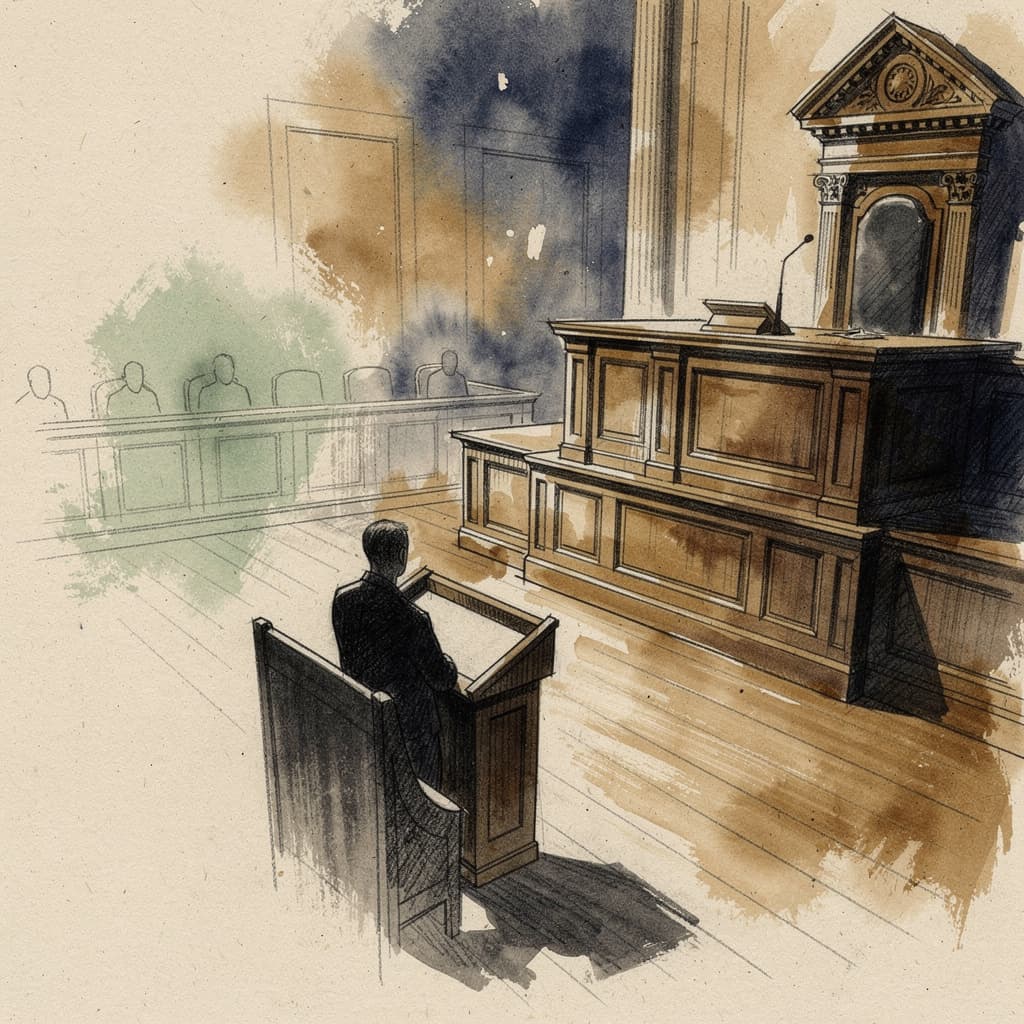
The dispute sits where jury verdicts, federal sentencing, and Fifth and Sixth Amendment protections meet.
Question presented
1. Whether a federal court can base a criminal defendant's sentence on conduct for which they were already acquitted by a jury. 2. Whether this practice violates the Fifth and Sixth Amendments.
What the Court decided
Holding
Petition DENIED. Statement of Justice Sotomayor respecting the denial of certiorari. (Detached Opinion ) Statement of Justice Kavanaugh, with whom Justice Gorsuch and Justice Barrett join, respecting the denial of certiorari. (Detached Opinion ) Justice Alito, concurring in the denial of certiorari. (Detached Opinion )
The vote
- Majority author
- Sonia Sotomayor
What's next
The Court has finished handling this request for review. The constitutional question remains undecided in this Supreme Court case.
Documents
Docket activity
New analysis added
AI analysis generated: Case Briefing
AI analysis generated: Decision Record
Opinion added: McClinton
Opinion added: Opinion
Show 2 moreShow fewer
Brief added: Petition
Court Order added: Lower Court Orders/Opinions
More questions
- What did McClinton ask the Supreme Court to decide?
- He asked whether a federal judge may use conduct for which a jury found him not guilty when setting a sentence. He also asked whether that practice violates the Fifth and Sixth Amendments.
- What did the Supreme Court do in McClinton?
- It denied review (refused to hear the case). The Court did not decide the constitutional sentencing question.
- Did the Court decide whether conduct for which a jury found McClinton not guilty may affect his federal sentence?
- No. The Court’s procedural denial did not settle that legal question.
- What happens next in McClinton v. United States?
- The Supreme Court has finished handling this request for review. The constitutional question remains undecided in this Supreme Court case.
Sources
Primary materials plus reporting. Best-effort analysis: this explainer relies on a mix of primary materials and trusted secondary sources. Official filings and opinions remain authoritative.