Percoco v. United States
In brief
A private citizen's informal influence over government decisions cannot be judged under the Second Circuit's Margiotta jury instruction.
- Where it stands
- Decided
Decided 9-0 · May 11, 2023 · Opinion by Justice Alito
- What it’s about
- The Court unanimously ruled for Percoco, holding that the jury instructions used to decide whether a private citizen owed the public honest services were too vague. It reversed the Second Circuit’s judgment and sent the case back for further proceedings.
- Who it affects
- The decision limits the use of a rule that treated informal political influence or “de facto control” as enough to create a public duty.
Summary: written with AI from the case record.
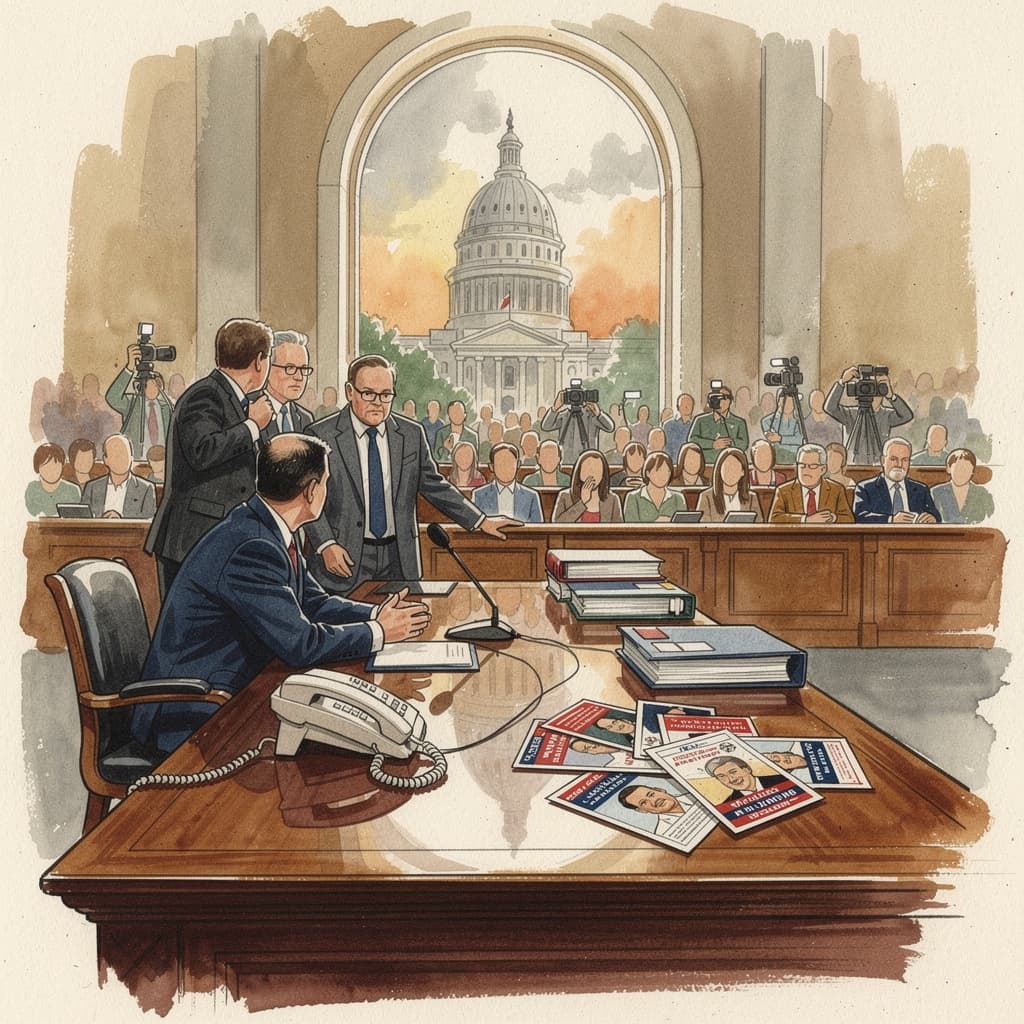
What it's about
The case concerns when a person outside government can be treated like a public official for federal honest-services fraud law.
Question presented
Whether a private citizen who can exercise "de facto control" over government decisions owes a fiduciary duty to the public and can be convicted of honest-services fraud.
What the Court decided
The vote
- Joined the judgment
- Concurred in a separate opinion
- Wrote an opinion
- Majority · 7joined the Court's opinion
From the opinions
“The Court said it was error to instruct the jury using the Second Circuit's Margiotta standard for when a private citizen owes the government honest services.”
What's next
The case returns to the lower courts, which must apply the Supreme Court's decision in further proceedings. Prosecutors and courts must account for the rejected instruction in similar honest-services fraud cases.
Why it matters
It affects private people who advise or influence government officials and prosecutors pursuing honest-services fraud cases.
Documents
Docket activity
New analysis added
AI analysis generated: Impact Analysis
AI analysis generated: Opinion Summary
New analysis added
AI analysis generated: Case Briefing
Show 5 moreShow fewer
Case data updated: summary, question_presented, generation_metadata
Case data updated: status, opinion_date
Opinion added: opinion
Brief added: Petition
Brief added: Questions Presented
More questions
- What did the Supreme Court rule in Percoco?
- The Court unanimously rejected the jury instruction based on the Second Circuit's Margiotta standard and sent the case back to the lower courts.
- Who is affected by the Percoco decision?
- Private individuals with informal influence over government and prosecutors bringing honest-services fraud cases are directly affected by the decision.
- What happens next in Percoco?
- The lower courts will reconsider the case under the Supreme Court's decision. Further proceedings must not rely on the rejected jury instruction.
Sources
Primary materials plus reporting. Best-effort analysis: this explainer relies on a mix of primary materials and trusted secondary sources. Official filings and opinions remain authoritative.