Allen v. Milligan
In brief
The Court is considering whether Alabama's challenged congressional map may be used while the Section 2 dispute continues.
- Where it stands
- Decided
Decided 5-4 · June 8, 2023 · Opinion by Chief Justice Roberts
- What it’s about
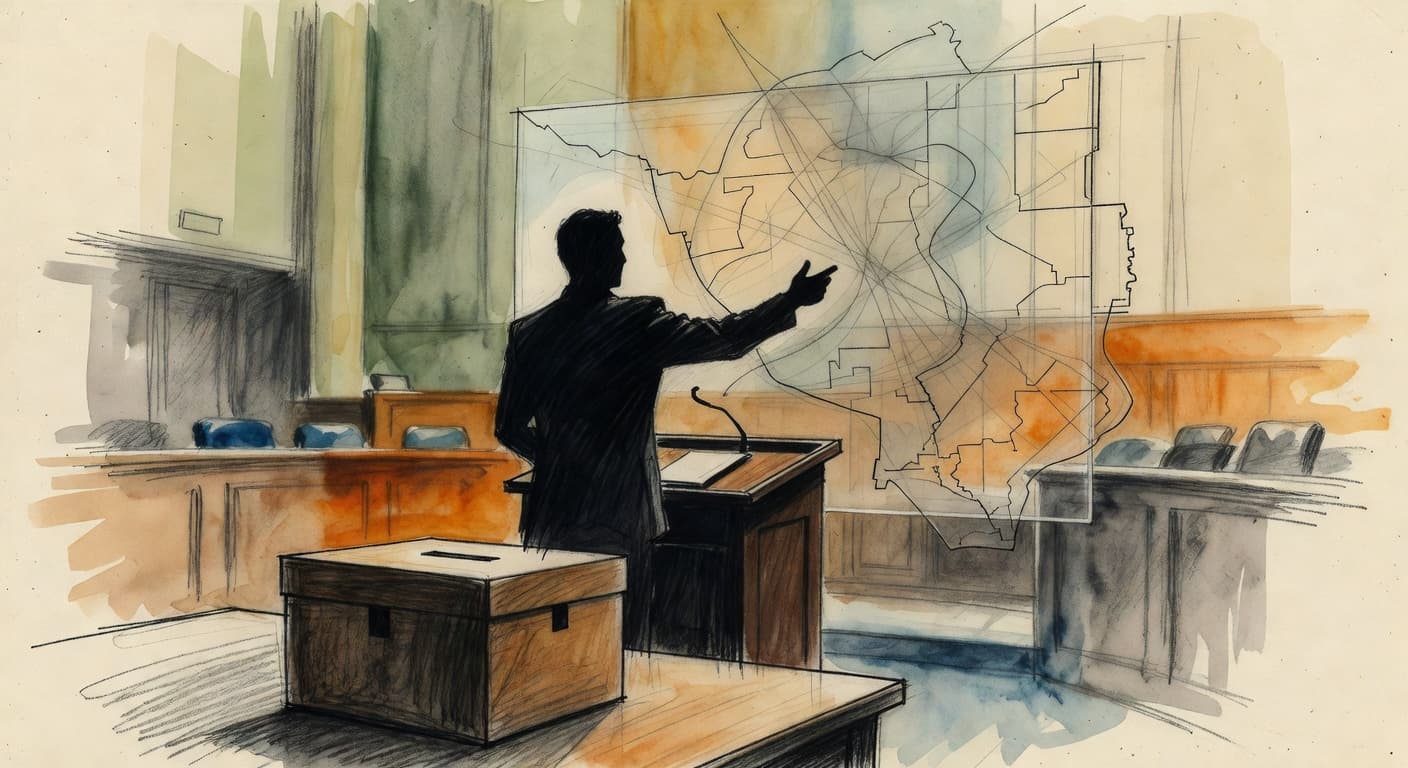
- Voters challenged Alabama's 2021 congressional redistricting map, arguing that it illegally packed Black voters into a single district and diluted their voting power. The Supreme Court ruled that the map likely violates Section 2 of the Voting Rights Act.
- Who it affects
- The case could affect which congressional maps are used in Alabama and how Black voters are represented. For example, voters in areas with large Black populations could have greater or lesser influence in choosing a member of Congress.
Summary: written with AI from the case record.
What it's about
The dispute concerns how Section 2 of the Voting Rights Act applies to congressional redistricting plans.
Question presented
Whether the Supreme Court should stay the district court's application of Section 2 of the Voting Rights Act to enjoin Alabama's 2023 districting plan.
What the Court decided
The vote
- Joined the judgment
- Concurred in a separate opinion
- Dissented
- Wrote an opinion
- Concurring · 1agreed with the result, wrote separately
- Kavanaughwrote separately
What's next
The Court has heard argument. A decision is generally expected by late June or early July of the Court term, unless the Court orders otherwise.
Docket activity
New analysis added
AI analysis generated: Impact Analysis
AI analysis generated: Opinion Summary
Case data updated: status, opinion_date
New analysis added
Show 6 moreShow fewer
AI analysis generated: Case Briefing
Opinion added: opinion
Brief added: Reply
Court Order added: Lower Court Orders/Opinions
Brief added: Jurisdictional Statement
Brief added: Questions Presented
More questions
- What is at stake in Allen v. Milligan?
- The case concerns whether Alabama's congressional map can remain in place despite claims that it diluted Black voting power under Section 2.
- Who could be affected by Alabama's redistricting map?
- Alabama voters, especially Black voters, could be affected by how congressional district lines shape their ability to elect preferred candidates.
- What happens next in Allen v. Milligan?
- The Supreme Court will issue its decision. It is generally expected by late June or early July of the Court term.
Sources
Primary materials plus reporting. Best-effort analysis: this explainer relies on a mix of primary materials and trusted secondary sources. Official filings and opinions remain authoritative.