Mahanoy Area School Dist. v. B. L.
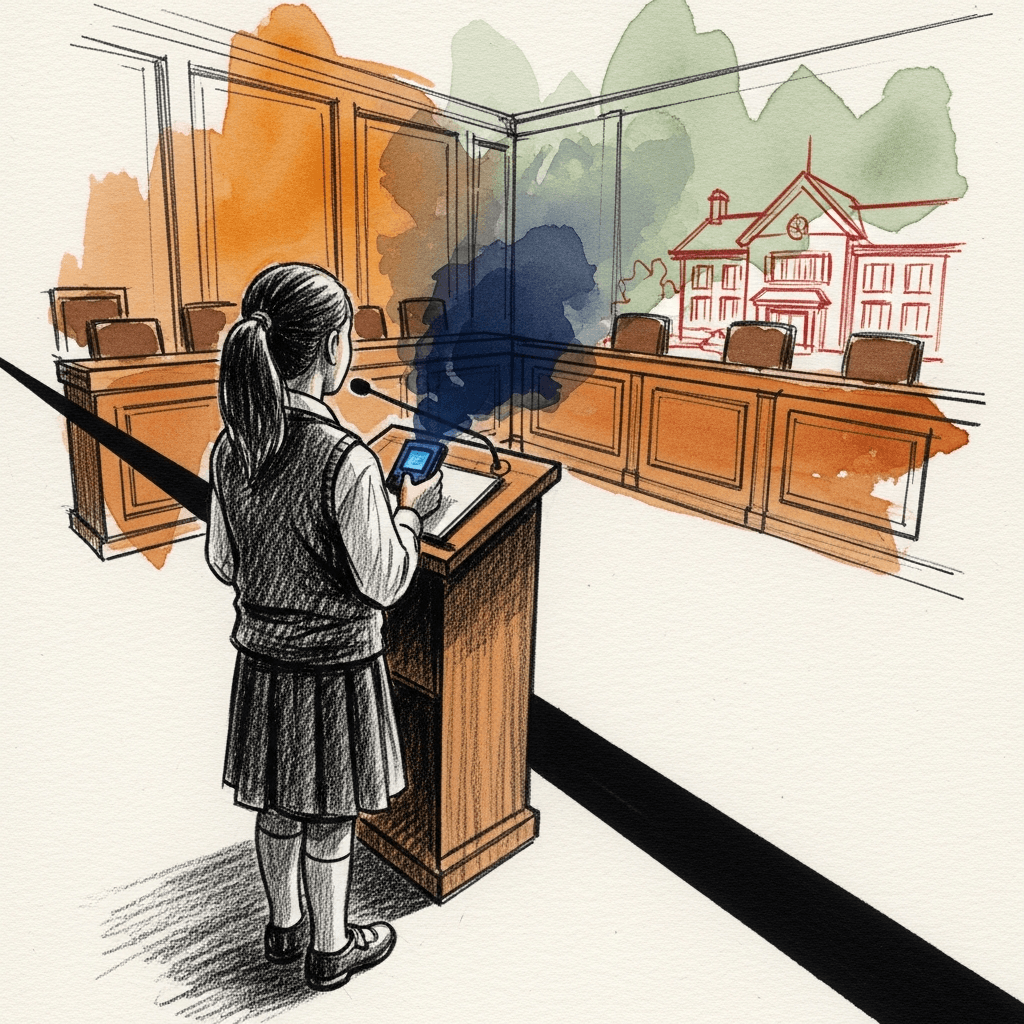
A high school student was suspended from the cheerleading team for posting a vulgar message on social media while off campus. The Supreme Court ruled that the school's decision to suspend her violated her First Amendment right to free speech.
- Status
- Decided
- Appeal from
- United States Court of Appeals for the Third Circuit
Briefing
What Happened
A high school student was suspended from her cheerleading team after posting a vulgar message on social media while she was off campus. The Supreme Court is now asked to decide if public schools have the power to punish students for speech that happens outside of school grounds.
Why It Matters
The ruling will define how much control schools have over what students say on the internet and social media. This affects millions of students who use apps like Snapchat or Instagram to express frustration outside of school hours.
The Big Picture
For decades, schools could only punish speech that caused a major disruption on campus. This case explores whether those old rules from the 1960s still work in a world where off-campus digital speech can be seen by everyone instantly.
What the Justices Said
No substantive justice or advocate reactions are available yet.
The Bottom Line
The Court must decide if a school's authority to stop disruptions extends to a student's private social media posts.
What's Next
The case has been accepted for review, and the next major step will be oral arguments. After the justices hear from both sides, they will work on a written opinion to be released later.
What is the core dispute in this case?
The case focuses on whether a school can punish a student for a vulgar social media post made off-campus. The student argues her speech is protected by the First Amendment when she is not at school.
What are the real-world consequences for students?
If the school wins, students could face suspension for things they say online even while at home. If the student wins, schools may have less power to address off-campus bullying or digital disruptions.
What is the legal rule being debated?
The Court is looking at the Tinker standard, which allows schools to regulate speech that causes a material disruption. They must decide if this rule applies to speech that does not happen on school property.
What is the next procedural step for the Court?
The Court has granted certiorari (the decision to hear the case) and will schedule oral arguments. The justices will then meet in private to discuss the case before issuing a final ruling.
How does this case fit into a broader trend?
This case follows a trend of the Court trying to update old free speech laws for the internet age. It reflects growing tension between school safety and the private digital lives of teenagers.
Timeline
Sources
Docket plus reporting.
Refreshed Mar 11, 2026.