Warrantless home entry
Lange v. California
In brief
The Court said a misdemeanor chase alone is not enough to enter a home without a warrant, then wiped out the lower court’s ruling and sent the case back to that court (vacated and remanded).
- Where it stands
- Decided
Decided 9-0 · June 23, 2021 · Opinion by Justice Kagan
- What it’s about
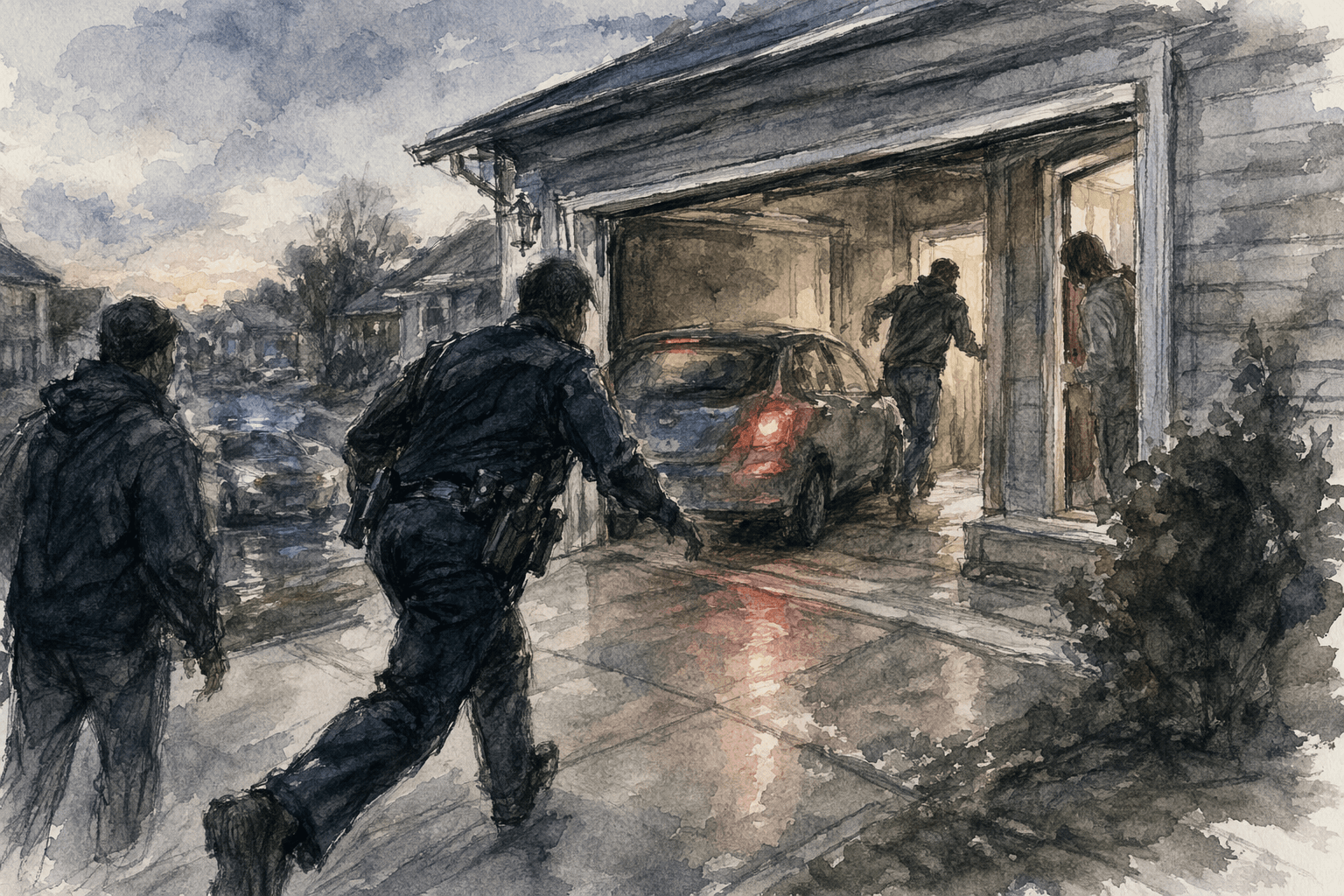
- This case asked whether a police officer may enter a home or attached garage without a warrant while chasing someone suspected of a misdemeanor.
- Who it affects
- Police and lower courts cannot treat every misdemeanor chase as automatic permission to enter a home. They must examine the specific facts to decide whether an emergency justified entry without a warrant.
Summary: written with AI from the case record.
What it's about
The Supreme Court held that chasing a fleeing misdemeanant does not automatically create an emergency under the Fourth Amendment; courts must look at the specific facts of each case.
The case concerns the Fourth Amendment’s broader protection for homes and its emergency exception to the usual warrant requirement.
Question presented
Does pursuit of a person who a police officer has probable cause to believe has committed a misdemeanor categorically qualify as an exigent circumstance sufficient to allow the officer to enter a home without a warrant?
What the Court decided
Holding
Under the Fourth Amendment, pursuit of a fleeing misdemeanor suspect does not always—that is, categorically—justify a warrantless entry into a home. Vacated and remanded.
- Result
- Vacated
The vote
- Joined the judgment
- Concurred in a separate opinion
- Wrote an opinion
- Majority · 7joined the Court's opinion
What's next
The California Court of Appeal must now reconsider whether the officer’s entry was justified under the particular facts. The Supreme Court’s ruling leaves that case-specific question open.
Documents
Docket activity
New analysis added
AI analysis generated: Case Briefing
New analysis added
AI analysis generated: Impact Analysis
AI analysis generated: Opinion Summary
Show 5 moreShow fewer
AI analysis generated: Decision Record
Case data updated: status, opinion_date
Opinion added: opinion
Brief added: Petition
Brief added: Questions Presented
More questions
- What did Lange v. California decide?
- The Court decided that chasing a fleeing misdemeanor suspect does not automatically justify entering a home without a warrant. Courts must examine the specific circumstances.
- How does the ruling affect police home entries?
- Police cannot rely on the chase alone. They must consider whether the circumstances created an emergency that justified entering without a warrant.
- What did the Supreme Court do to the lower-court ruling?
- It wiped out the ruling and sent the case back for another look (vacated and remanded).
- What remains unresolved after the Supreme Court’s ruling?
- The lower court still must decide whether the particular circumstances created an emergency that justified this entry without a warrant.
- What happens next in Lange v. California?
- The California Court of Appeal must reconsider the case under a fact-specific approach, rather than an automatic misdemeanor-pursuit rule.
Sources
Primary materials plus reporting. Best-effort analysis: this explainer relies on a mix of primary materials and trusted secondary sources. Official filings and opinions remain authoritative.