Skipper v. Byrd
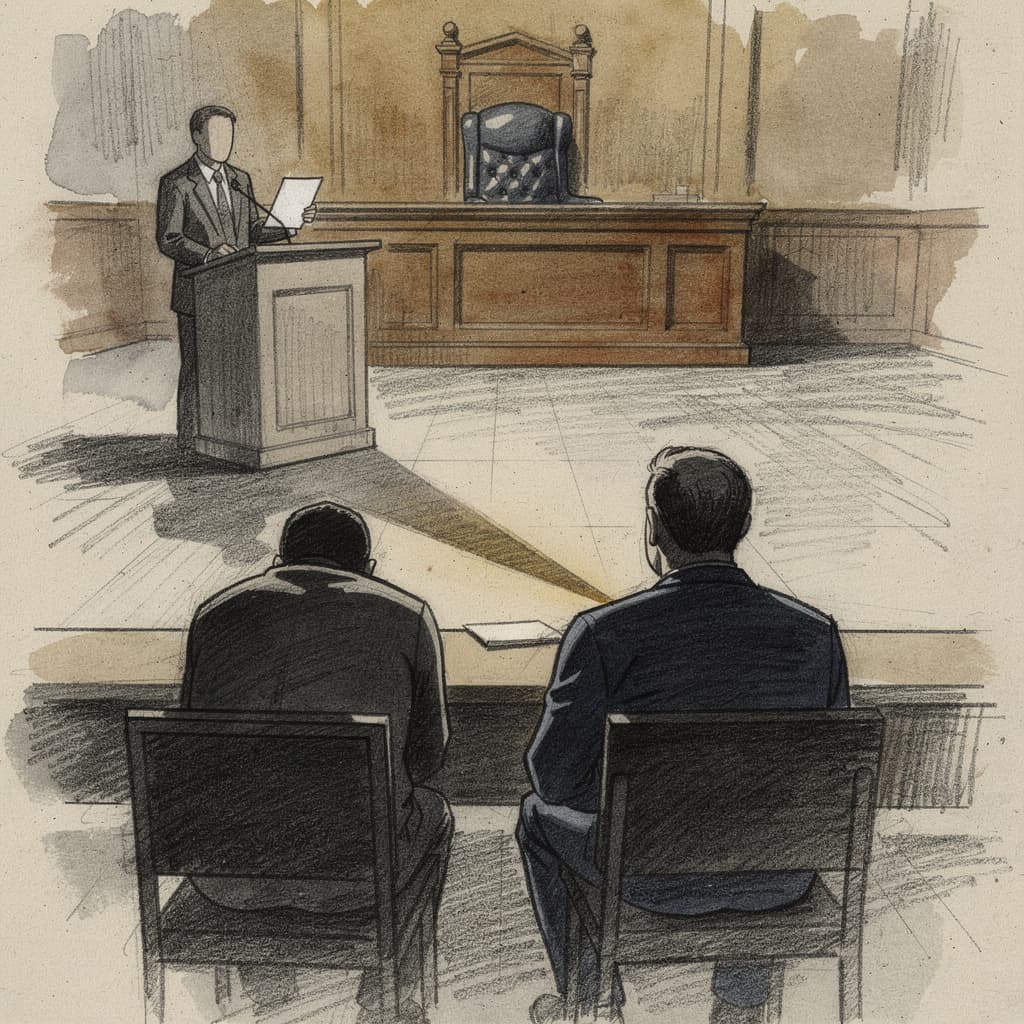
This case asks whether a criminal defendant's Sixth Amendment right to effective assistance of counsel applies to a plea offer that the prosecution never actually made.
- Status
- Decided
- Appeal from
- United States Court of Appeals for the Sixth Circuit
- Decision released
- May 26, 2020
Decision briefing
The case in plain English
What happened
The Supreme Court declined to hear this case, leaving in place the lower court's decision regarding a defendant's rights during plea negotiations. The case centered on whether the Sixth Amendment right to effective assistance of counsel applies to a plea offer that the prosecution never actually made. By denying the petition for a writ of certiorari (a request for the Court to review a case), the Court avoided setting a new national rule on this specific issue.
Why it matters
This case affects how criminal defendants and their lawyers handle plea deals, which resolve the vast majority of criminal cases in the U.S. If the Court had ruled in favor of the defendant, it could have expanded the government's obligations to offer specific deals during negotiations. Currently, the ruling means defendants in the Sixth Circuit cannot claim their rights were violated over a deal that was never officially on the table.
The big picture
The Sixth Amendment guarantees a defendant the right to a lawyer who provides effective help. Over time, the Supreme Court has expanded this right to include the plea-bargaining process, not just the trial itself. This case highlights the ongoing debate over where the line is drawn when a lawyer fails to secure a favorable deal for their client.
What the justices said
The Court denied the petition for a writ of certiorari on May 26, 2020, meaning they chose not to hear the case or issue a formal opinion on the merits.
The bottom line
The Supreme Court's refusal to hear the case means that, for now, there is no constitutional right to a plea offer that the prosecution never made.
What's next
Lower courts will continue to follow existing rules that require lawyers to be effective during actual plea negotiations. Legal experts will watch for how other circuits handle similar claims to see if a split in legal opinions eventually forces the Supreme Court to step in. Affected parties should monitor how lower courts and agencies respond to the finality of this ruling.
What was the core dispute in this case?
The case asked if the right to a lawyer's help applies to plea offers that were never actually offered by the state. The defendant argued his counsel was ineffective for failing to secure a deal that did not exist.
What are the real-world consequences of the Court's decision?
Criminal defendants cannot easily sue their lawyers for failing to get a specific plea deal if the prosecutor never made the offer. This keeps the power to initiate plea deals primarily in the hands of the government.
What legal rule was at the center of this petition?
The case involved the Sixth Amendment right to effective assistance of counsel. It specifically looked at whether this right covers the pre-offer stage of criminal negotiations.
What is the next procedural step for this case?
Because the Supreme Court denied the petition, the case is effectively over. Observers will now watch how lower courts apply this outcome to other criminal defendants in similar situations.
How does this fit into a broader trend in the legal system?
The legal system is increasingly focused on plea bargaining because very few cases go to trial. This case reflects the ongoing struggle to define exactly what a lawyer's duties are during those private negotiations.
Where things stand
Timeline
Source note
How this page is sourced
Official case materials anchor this page. Reporting is used only to add context and explain the dispute in plain English.
Page data last refreshed Mar 31, 2026.
Context reporting
Primary materials
Documents & resources
Recent coverage
In the news
More to watch