Tamko Bldg. Prods., Inc. v. Williams
Tamko Bldg. Prods., Inc. v.
- Status
- Before Arguments
- Appeal from
- Supreme Court of Oklahoma
Briefing
What Happened
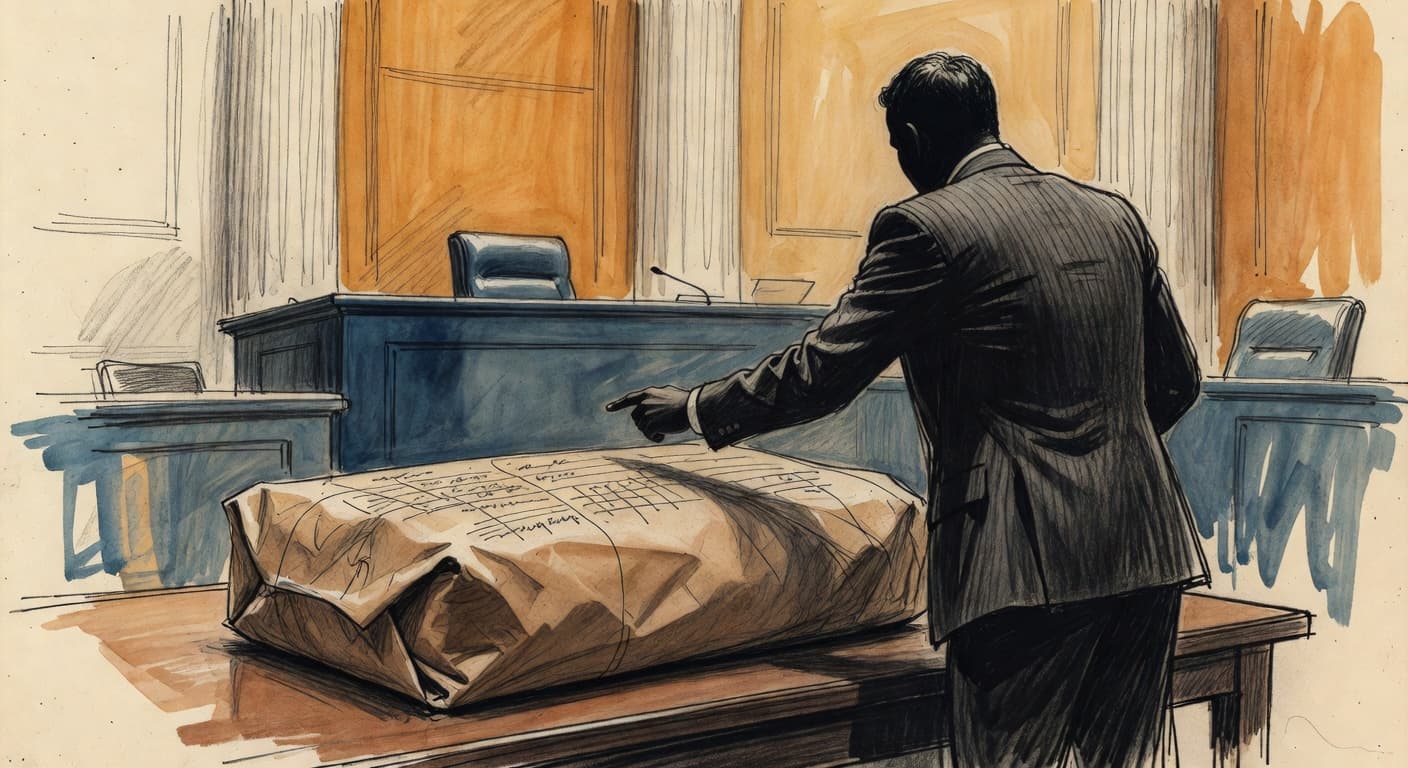
Tamko Building Products is asking the Supreme Court to review a case about how customers must be told about arbitration agreements. The company argues that printing the agreement on the outside of a product's packaging should be enough to make it legally binding. The Oklahoma Supreme Court previously ruled that customers need 'actual notice' of these rules rather than just having the information available on the box.
Why It Matters
This case could change how companies notify customers about their legal rights when they buy household products. If the Court sides with the company, customers might lose their right to sue in court just by opening a package. This affects anyone who buys construction materials or consumer goods that have legal terms printed on the wrapper.
The Big Picture
The case centers on the Federal Arbitration Act and whether it overrides state laws that try to protect consumers. Courts across the country are divided on whether 'inquiry notice'—where a person should have known to look for terms—is enough to force arbitration. This is part of a larger debate over whether companies can steer all legal disputes into private systems instead of public courts.
What the Justices Said
No substantive justice or advocate reactions are available yet.
The Bottom Line
The Supreme Court must decide if a company can force customers into arbitration by simply printing the terms on a product's outer packaging.
What's Next
The next major milestone is for the Court to decide whether it will grant certiorari (the decision to hear the case). If the Court agrees to hear it, oral arguments will be scheduled for a future term. Until then, the Oklahoma ruling remains the most recent decision in this specific dispute.
What is the core dispute between Tamko and the customers?
The dispute is over whether a legal agreement printed on a product's packaging is enough to sign away a customer's right to sue. Tamko argues the packaging is sufficient notice, while the customers claim they never specifically agreed to those terms.
How could this case affect everyday consumers?
If the Court rules for the company, consumers might be bound by secret legal terms they never actually read. This could prevent people from joining class-action lawsuits for defective products if the box had an arbitration clause.
What is the specific legal rule the Court is examining?
The Court is looking at whether the Federal Arbitration Act preempts (overrides) state laws that require 'actual notice' of a contract. It must decide if states can demand more proof that a customer saw the legal terms.
What is the next procedural step for this case?
The Supreme Court must first decide if it will take the case for a full review. If they decline, the lower court's ruling against the company will stand as the final word.
How does this case fit into broader legal trends?
This case is part of a long-running trend of companies using arbitration clauses to avoid expensive jury trials. The Supreme Court has historically supported these clauses, but state courts often try to limit them to protect consumers.
Timeline
Sources
Docket plus reporting.
Refreshed Mar 11, 2026.