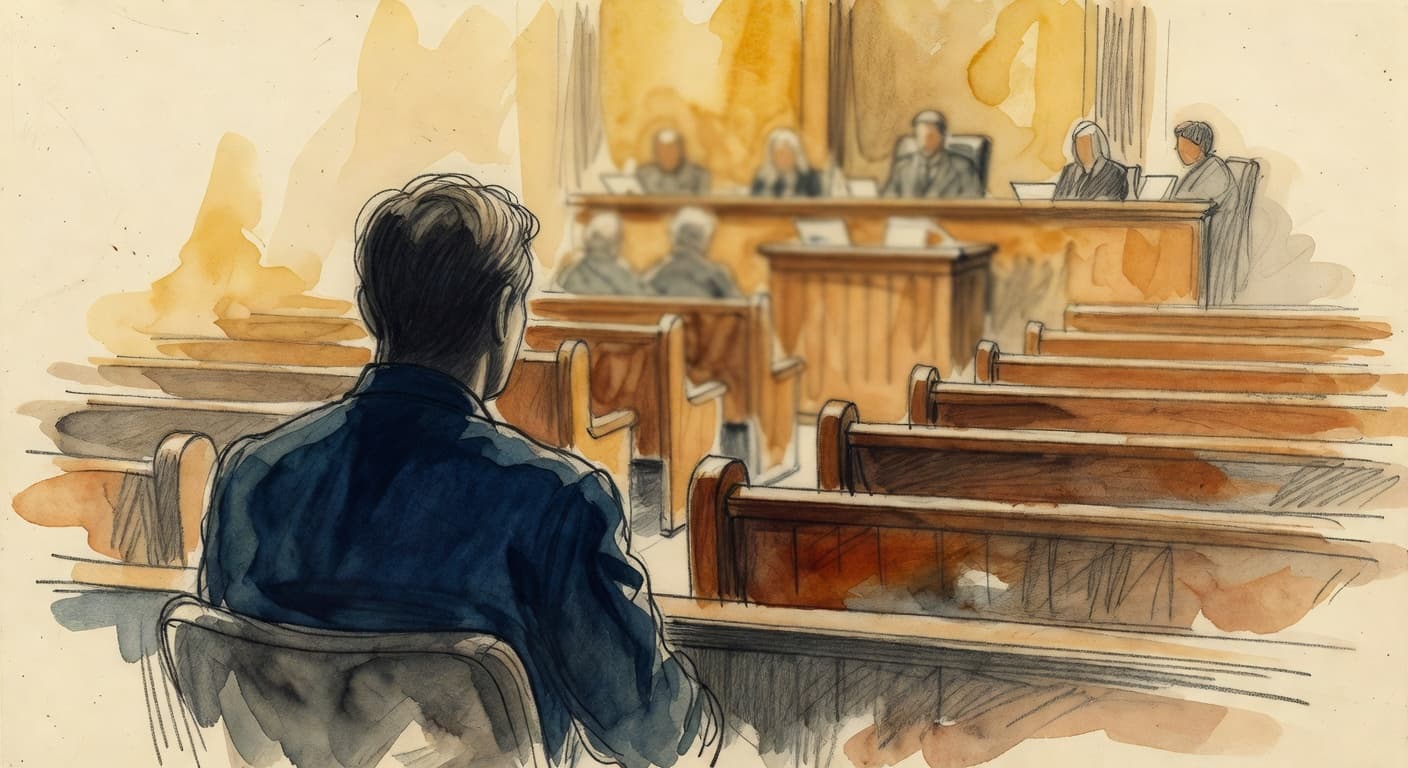
Illustration for Ewing v. Nevada
Docket 19-8382

Ewing v. Nevada

Ewing filed a petition for a writ of certiorari asking the U.S. Supreme Court to review a decision by the Supreme Court of Nevada.

Status
Decided
Appeal from
Supreme Court of Nevada
Decision released
Jun 1, 2020

Decision briefing

The case in plain English

Start with the holding, why it matters, and the strongest takeaways from the opinions.

What Happened

The Supreme Court denied a petition for a writ of certiorari (a request for the Court to review a case) regarding a Nevada trial. The case asked if a defendant's right to a public trial was violated when family members were removed during jury selection without a specific legal explanation. By denying the petition, the Court let the lower court's ruling against the defendant stand.

Why It Matters

This decision means that in certain jurisdictions, defendants may face higher hurdles when challenging the closure of a courtroom. It specifically affects individuals whose family members are excluded from the jury selection process, which is usually required to be open to the public. This can impact the perceived fairness of a criminal trial.

The Big Picture

The Sixth Amendment guarantees the right to a public trial to ensure the legal system remains transparent and accountable. This case highlights the ongoing tension between a judge's power to manage their courtroom and a defendant's constitutional protections. It follows a long line of cases debating when and how a courtroom can be closed to the public.

What the Justices Said

The Court issued a standard order denying the petition for review on June 1, 2020.

The Bottom Line

The Supreme Court declined to hear the case, leaving the Nevada Supreme Court's decision in place.

What's Next

The case is now concluded at the federal level, and the petitioner's conviction or sentence remains as it was. Legal experts will watch for how lower courts handle similar courtroom closure issues in the future. Affected parties should monitor whether other states adopt different rules for excluding family members.

What was the core dispute in this case?

The dispute centered on whether a trial court can remove a defendant's family during jury selection. The defendant argued this violated his Sixth Amendment right to a public trial.

What are the real-world consequences of this outcome?

Defendants in similar situations may not have their family present during the critical phase of picking a jury. This could lead to less public oversight of how jurors are selected.

What legal rule was at the center of the petition?

The petition focused on the Waller v. Georgia standard. This rule requires judges to make specific findings before they are allowed to close a courtroom to the public.

What is the next procedural step for this case?

Since the Supreme Court denied the petition, there are no further appeals available in this specific case. The ruling from the Nevada Supreme Court is the final word.

How does this fit into a broader trend?

The Court often declines to hear cases that do not present a new or conflicting legal issue. This reflects a trend of the Court being selective about which constitutional rights cases it reviews.

Where things stand

Timeline

Key court milestones at a glance.

Case Accepted
Arguments AheadUpcoming
Decision ReleasedJun 1, 2020

Source note

How this page is sourced

Official case materials anchor this page. Reporting is used only to add context and explain the dispute in plain English.

Page data last refreshed Mar 31, 2026.

Primary materials

Documents & resources

Briefs, opinions, transcripts, and audio when they are available.

Recent coverage

In the news

Selected reporting and analysis that can help you follow the public conversation around the case.

More to watch

Related cases on the docket

Other live cases with a similar posture, so readers can move across the docket without losing the thread.