Territory of Guam v. Davis
In brief
The Supreme Court declined to hear Guam’s case, so it did not decide whether the voting restriction violates the Fifteenth Amendment.
- Where it stands
- Decided
Decided · May 4, 2020
- What it’s about
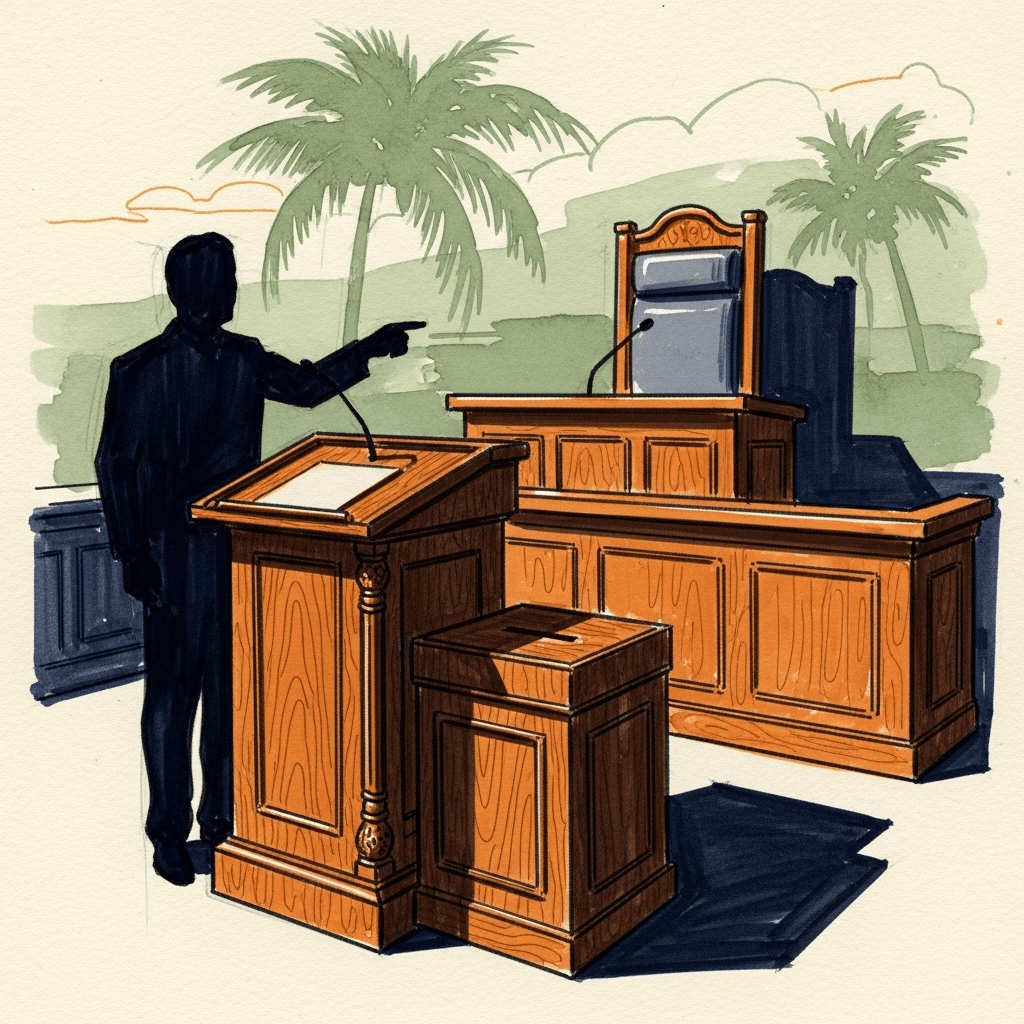
- This case involves a challenge to a Guam law that restricted a plebiscite on the territory's political status to only "Native Inhabitants of Guam," which the lower courts found violated the Fifteenth Amendment's prohibition on racial discrimination in voting.
- Who it affects
- For Guam, the Supreme Court’s order ended this petition without deciding whether the voter limit is constitutional.
Summary: written with AI from the case record.
What it's about
The Ninth Circuit had decided that the definition was a stand-in for race and violated the Fifteenth Amendment’s ban on racial discrimination in voting.
Question presented
Whether the Ninth Circuit erred in holding that Guam’s use of the term “Native Inhabitants of Guam” to define the electorate for a non-binding plebiscite on Guam’s future political status is a proxy for race that violates the Fifteenth Amendment.
What the Court decided
Holding
Petition DENIED.
What's next
The Supreme Court has finished this docket action. The record shows no Supreme Court decision on the constitutional question in this petition.
Documents
Docket activity
New analysis added
AI analysis generated: Case Briefing
New analysis added
New analysis added
New analysis added
Show 7 moreShow fewer
New analysis added
New analysis added
New analysis added
New analysis added
New analysis added
New analysis added
New analysis added
More questions
- What did the Ninth Circuit decide?
- It decided that using “Native Inhabitants of Guam” to define voters was a stand-in for race and violated the Fifteenth Amendment.
- Was Guam’s proposed vote binding?
- No. It was described as a nonbinding vote about the island’s future political status.
- What remains unresolved in the case?
- Whether limiting voters to “Native Inhabitants of Guam” violates the Fifteenth Amendment; the Supreme Court did not decide that question.
Sources
Primary materials plus reporting. Best-effort analysis: this explainer relies on a mix of primary materials and trusted secondary sources. Official filings and opinions remain authoritative.