James v. United States
In brief
The Supreme Court refused to hear James's case, so this docket contains no Supreme Court ruling on the Confrontation Clause question.
- Where it stands
- Decided
Decided · May 18, 2020
- What it’s about
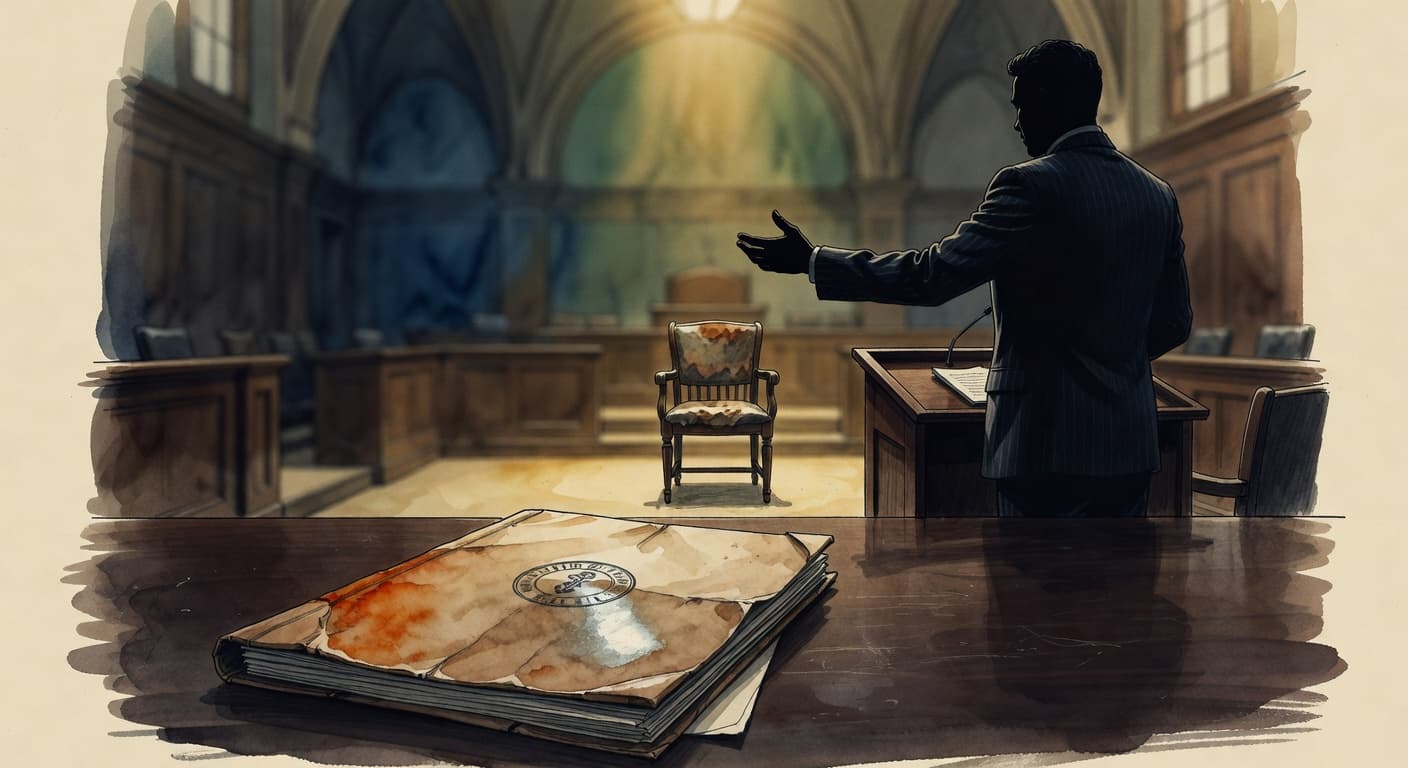
- This case asks whether forensic pathology reports are considered testimonial evidence under the Confrontation Clause of the Constitution. This determination affects whether the authors of such reports must be available for cross-examination in court.
- Who it affects
- The order gave James and the United States no Supreme Court decision on whether the report authors had to be available for cross-examination in court.
Summary: written with AI from the case record.
What it's about
The classification matters because it affects whether the authors of forensic pathology reports must be available for cross-examination in court.
Question presented
Whether forensic pathology reports are considered testimonial evidence under the Confrontation Clause of the Constitution.
What the Court decided
Holding
Petition DENIED.
What's next
The Supreme Court's action on this docket is finished; the record identifies no further Supreme Court step.
Documents
Opinions
Key filings
Docket activity
New analysis added
AI analysis generated: Case Briefing
New analysis added
New analysis added
New analysis added
Show 7 moreShow fewer
New analysis added
New analysis added
New analysis added
New analysis added
New analysis added
New analysis added
New analysis added
Sources
Primary materials plus reporting. Best-effort analysis: this explainer relies on a mix of primary materials and trusted secondary sources. Official filings and opinions remain authoritative.